Mancos, Colorado
Find locally-rooted places and experiences that enrich your visit and support the community
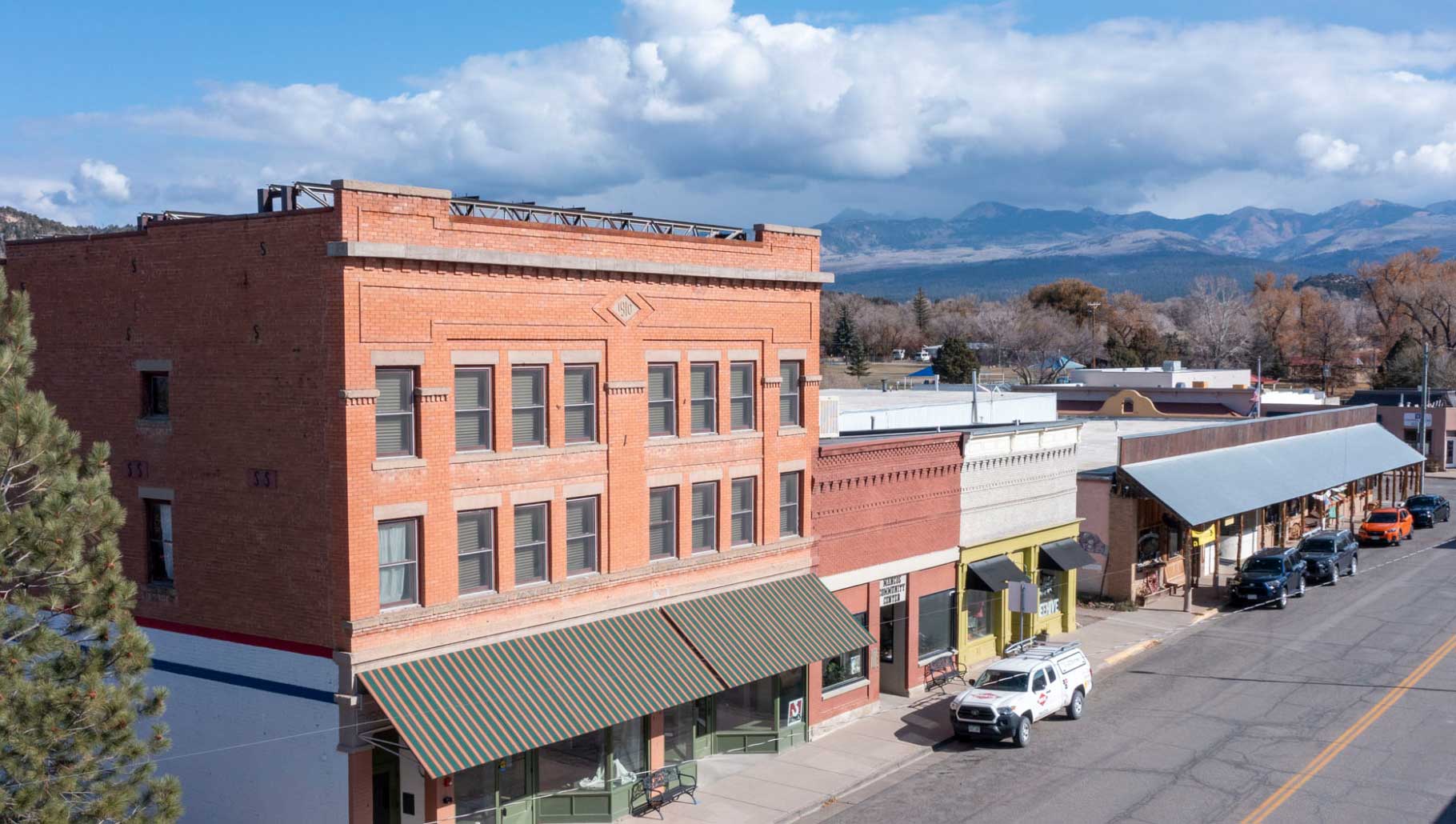
Town of Mancos
Founded in 1894, Mancos is where the West still lives! It’s a place where modern day travelers and locals navigate amongst cattle drives and cowboys. If you time your visit just right, you may even see stagecoaches and horse draw carriages! No wonder Louis L’Amour gave the Mancos Valley a special place in his heart and novels. At 7,000 feet elevation Mancos sits on the cusp of mountains and forests where you can camp, fish, mountain bike and hike. A few miles to the west is Mesa Verde National Park – a World Heritage site. The Town of Mancos is an historic community that retains its pride in history with several buildings on the State and National Historic Registers. The downtown business district offers visitors art galleries, top notch dining options, a cidery, coffee houses and one of the oldest continuously operating bars in Colorado. Things to do History and Heritage Grand Avenue is lined with historic buildings that currently house famous restaurants like farm-to-table Olio, Missy’s, Moondog Cafe & Bakery and the Columbine Bar and Grill, one of the oldest continuously operating bars in Colorado. Arts Grand is also home to numerous galleries where our vast artisan community sell their unique creations. Don’t miss Kilgore American Indian Art, Raven House Gallery, Artisans of Mancos and The Painted Turtle. Mancos Creative District spans several blocks in the historic downtown and is home to the historic Opera House and the thriving Mancos Common Press. They sponsor the annual BurroFest, a unique event that combines the antics of burros and their handlers with interactive art. Outdoor Adventure The Mancos Valley is a playground for a wide variety of outdoor pursuits. If you are more interested in a driving tour of the area, check out these day trip destinations. - Biking and hiking - Skiing - Horseback riding - Cross country skiing - Fishing Food and Beverage With a main street parade, cider and beer tastings at Fenceline Cider and Mancos Brewing Company, live music, food trucks, an Olde Fashioned Christmas and more, Mancos is your hometown all year long! Plan your trip You’ll also find many lodging options in Mancos. Whether you’re looking for the luxury and comfort of a mountain lodge, a simple motel room for the whole family or a place to park your RV, Mancos has it all! For more information, visit Mancos Valley Chamber of Commerce.
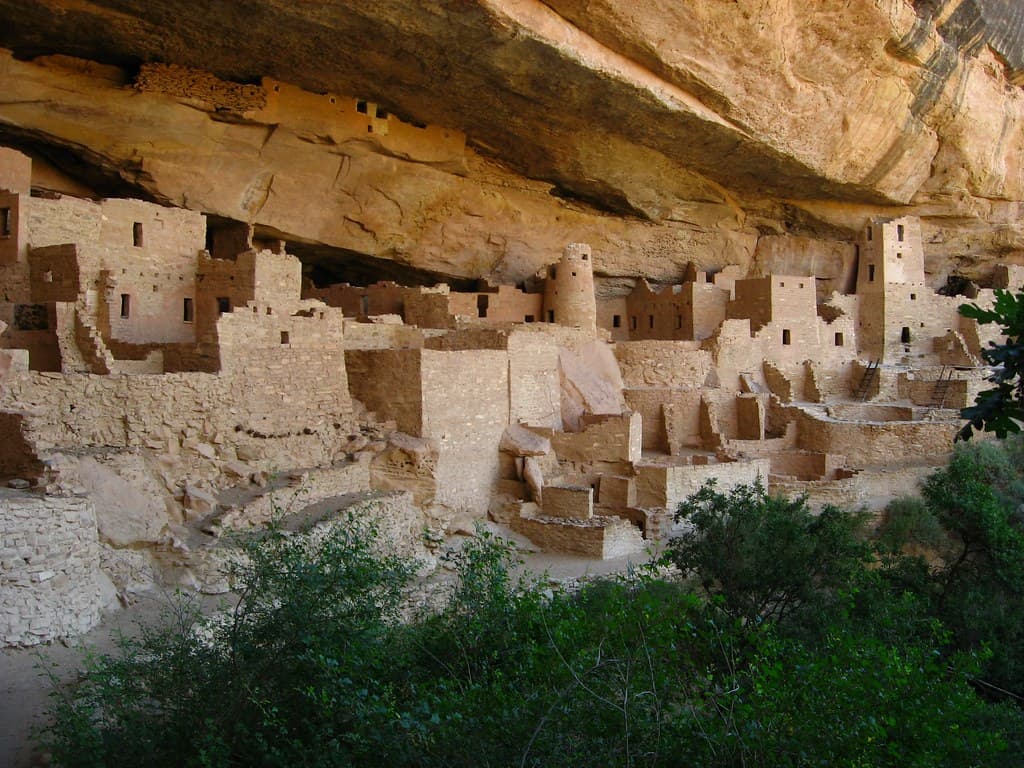
Mesa Verde National Park
For over 700 years, the Ancestral Pueblo people built thriving communities on the mesas and in the cliffs of Mesa Verde. Today, the park protects the rich cultural heritage of 27 Pueblos and Tribes and offers visitors a spectacular window into the past. This World Heritage Site and International Dark Sky Park is home to over a thousand species, including several that live nowhere else on earth. Ancestral Pueblo People of Mesa Verde About 1,400 years ago, long before Europeans explored North America, a group of people living in the Four Corners region chose Mesa Verde for their home. For more than 700 years they and their descendants lived and flourished here, eventually building elaborate stone communities in the sheltered alcoves of the canyon walls. Then, in the late A.D. 1200s, in the span of a generation or two, they left their homes and moved away. Mesa Verde National Park preserves a spectacular reminder of this ancient culture. Use the following links to learn more about the Ancestral Pueblo people of Mesa Verde. (To get the Free Adobe Reader, which is required to read the pdf file, click here.) Illustrated scene of Spruce Tree House Ancestral Pueblo People and Their World (pdf, 552 kb) * Today's 26 Associated Tribes of Mesa Verde (pdf, 154 kb) Biodiversity Habitats in Mesa Verde support a great diversity of wildlife including resident and migratory mammals, birds, reptiles, amphibians, fishes, and invertebrates. Because of Mesa Verde’s protected status, many plant and animal species that have disappeared or are rarely seen in the region still exist at the park, including breeding pairs of peregrine falcon (Falco peregrinus) and Mexican spotted owl (Strix occidentalis lucida). Many species of rare plants survive on protected park lands. Some of these rare plants, such as the Cliff Palace milkvetch (Astragalus deterior), are endemic to Mesa Verde and are found nowhere else. Be Safe & Know the Rules You can help preserve the park's unique resources by knowing and following these basic regulations. More policies, such as the Superintendent's Compendium, can be found on the Laws & Policies page. Park Rules • Mesa Verde’s backcountry is closed. It is illegal to hike off trail. • Camping is allowed only in designated campground. • Marijuana is illegal on federal land, including national parks. • Drones are illegal in national parks. • Archeological resources are fragile and protected. Please do not touch, climb, sit, or lean on ancient walls. Plan Ahead You will drive at least 50 miles (80 km) to visit Mesa Verde's cliff dwellings. Don't run out of gas. Morefield Campground is the only place in the park to fill up. Most of the park is remote and without reliable cell service. For more important information, please visit National Park Service.
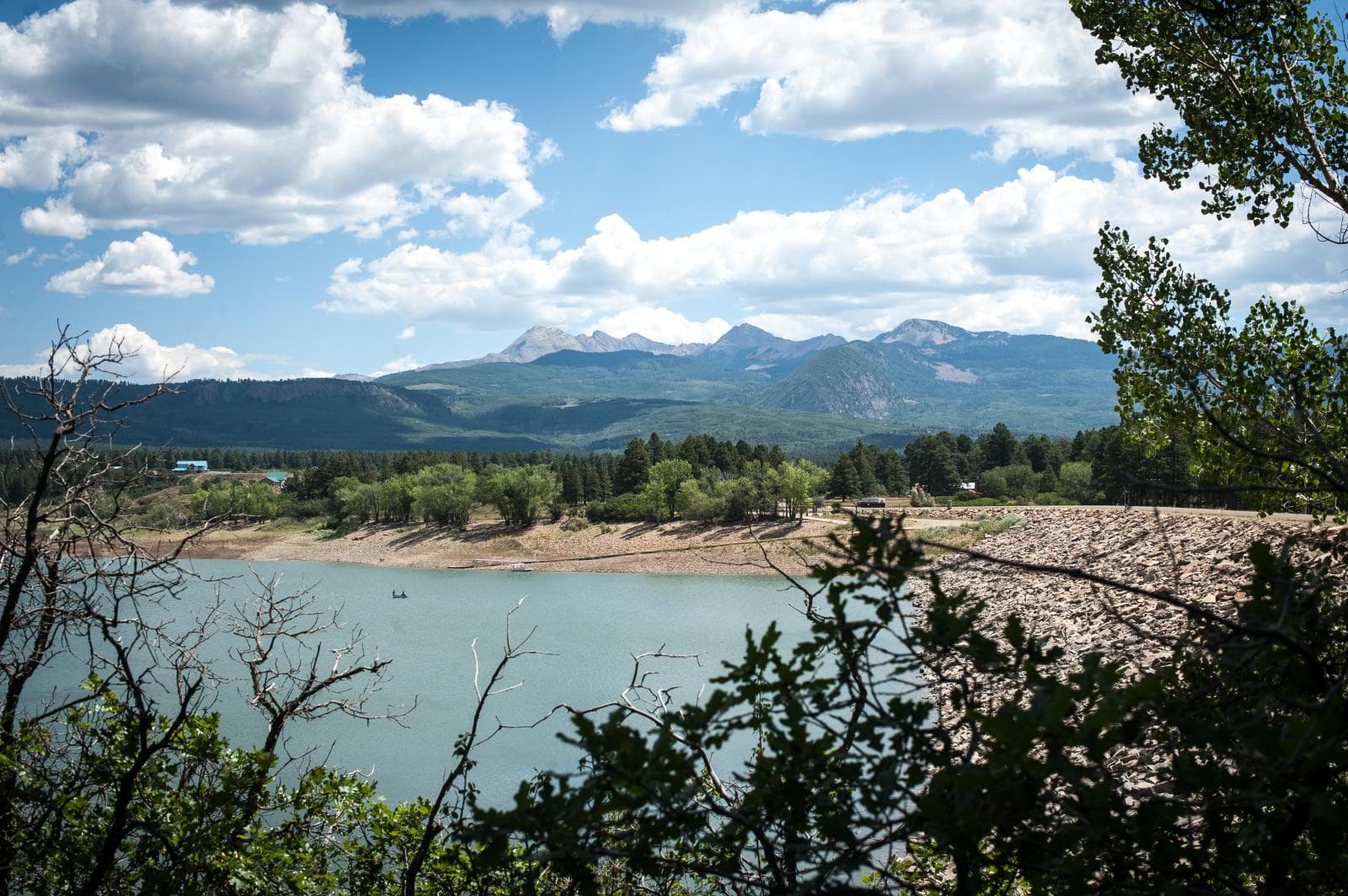
Mancos State Park
Surrounded by the stunning scenery of the San Juan Mountains and the archaeological mysteries of southwestern Colorado, Mancos is a great destination for a getaway any time of year. Boating, fishing, hiking, biking, horseback riding and cross-country skiing are a few of the activities visitors can enjoy. Jackson Gulch Reservoir The park's main attraction is the 216 surface acre reservoir. Jackson Gulch Reservoir is a great place for fishing and hand-powered crafts such as kayaks, canoes and sailboats. Jackson Gulch is a wakeless reservoir — boaters cannot create a wake here, and water skiing, jet skiing and swimming are not permitted. Picnicking There are 10 picnic sites for day use, scattered throughout the park. Wildlife Viewing Mancos State Park is very quiet in the fall, winter and early spring, so the park offers excellent wildlife-viewing opportunities. Mule deer, Merriam’s turkey, foxes, coyotes, Abert's squirrels, an occasional elk and a variety of other wonderful creatures have been spotted at the park. Yurts As a hidden epicenter to explore the cultural resources in the southwest region of Colorado, make Mancos State Park your home base and stay in one of our two yurts that offer a heated alternative to camping in our primitive campgrounds. Heated yurts make great base camps for cross-country skiing or snowshoeing. Campgrounds Open to the public year-round, Mancos offers basic campsites best suited for tent campers as well as yurts, all nestled in a ponderosa pine forest with views of Jackson Gulch Reservoir. Some campsites and restrooms are ADA accessible. There are no electrical hook-ups at Mancos. Volunteer You can make a difference by becoming a volunteer. You can learn new skills, meet new people and visit new landscapes.
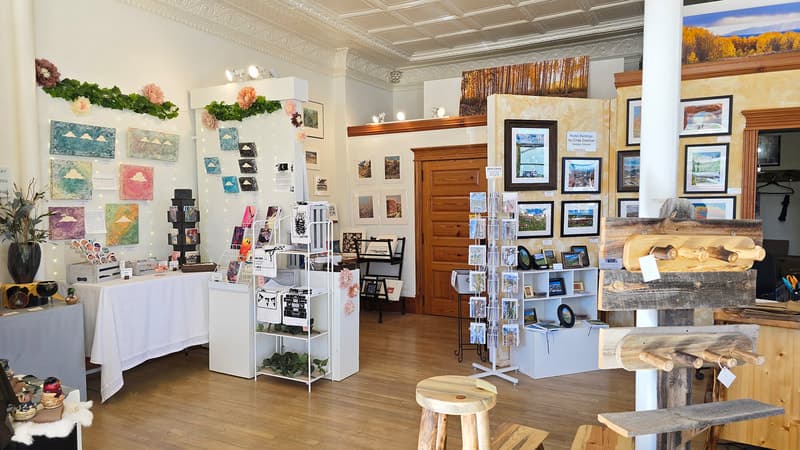
Artisans of Mancos
Artisans of Mancos is an artist-run cooperative gallery that opened on May 30, 2003, and has been celebrating the creativity of local and regional artists for over 20 years. The gallery operates as a unique co-op model where member artists retain 100% of their sales with no gallery commission—artists instead pay a small monthly dues fee and commit to working at least a half day each week in the gallery. The cooperative currently features approximately 20 artists working across diverse mediums including paintings, photography, jewelry, fine gourd art, glass, ceramics, fiber, pottery, wood, and mixed media. The gallery is housed in the beautifully restored Bauer Bank Building at the corner of Main and Grand in Mancos. There are no employees; the artists themselves manage operations through monthly meetings with elected officers and committees. A participating artist is always available to discuss the work on display, and patrons are encouraged to contact artists directly for custom orders and special projects. Member artists also hold various art workshops and special receptions throughout the year. The gallery serves as a gateway to Mesa Verde National Park and invites visitors to explore what it considers some of the finest scenery in the Four Corners area.
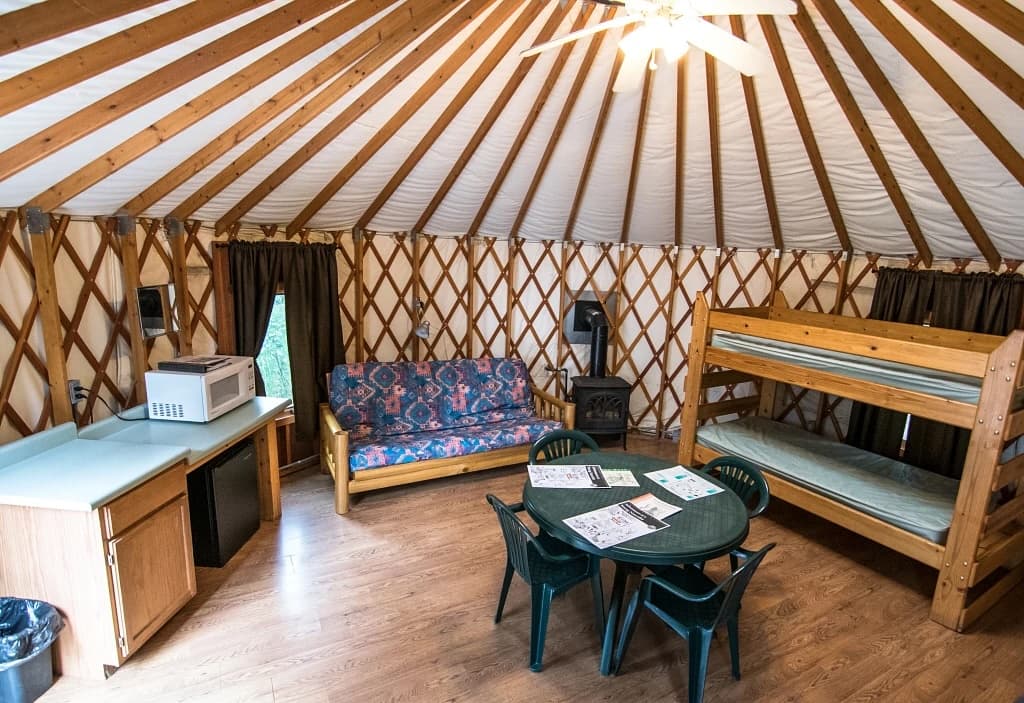
Mancos State Park Campground
Open to the public year-round, Mancos offers basic campsites best suited for tent campers as well as yurts, all nestled in a ponderosa pine forest with views of Jackson Gulch Reservoir. Some campsites and restrooms are ADA accessible. There are no electrical hook-ups at Mancos. A reservation is required to camp at Mancos State Park, and it’s easy to make one. Reservations can be made for campsites and yurts online at cpwshop.com or by phone at 1-800-244-5613. Reservations can be made up to six months in advance of your arrival date. Visitors are required to display a vehicle pass and have a valid reservation. Book a Campsite or Yurt Park Hours: Park: Daily, 5 a.m. to 10 p.m. Visitor Center: No regularly scheduled hours from December 1-March 31. Entrance Fees: Daily Vehicle Pass: $10 Individual Daily Pass: $4
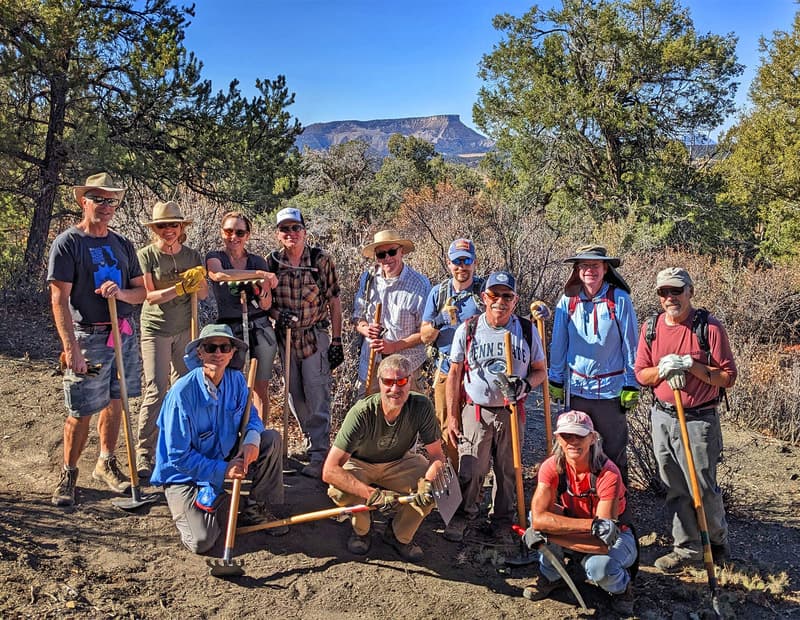
Mancos Trails Group
Mancos Trails Group is an all-volunteer community of hikers, mountain bikers, horseback riders and outdoor enthusiasts working with organizations including the Town of Mancos, U.S. Forest Service, the Bureau of Land Management and Colorado Parks and Wildlife to promote trail stewardship and etiquette. The mission of Mancos Trails Group is to promote trail stewardship, develop and maintain sustainable trails, and promote positive trail interactions among all trail users in the scenic Mancos Valley. During the summer, the group hosts monthly trail work days and other special events. The organization is an inclusive group that seeks and promotes diversity in its organization and on its trails.
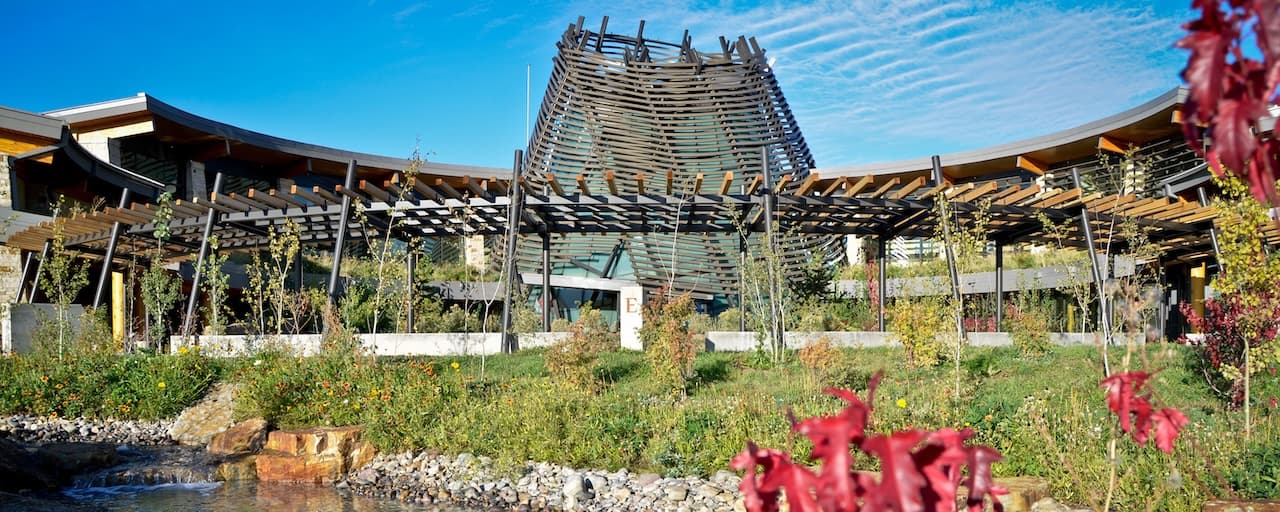
Southern Ute Cultural Center and Museum
Our mission is to foster understanding of and respect for the unique origin, culture, language, history, and way of life of the Núuchi (Ute People) and to advance people-to-people relations through inclusive and effective programming and services. Our vision is to be a nationally-accredited, internationally-respected cultural center that serves as a model for all tribal museums, archives, and libraries. Things to Do Exhibits As Colorado’s longest continuous residents, the Ute’s have adapted and thrived throughout the years. Our exhibits showcase the story of the Ute people, from prehistory to modern times. Examples of the Bear Dance, prominent Ute leaders, and intricate bead work can be found in the collection of photographs on display Pino Nuche Indigenous Art Market and Juried Show The emphasis of the show is on traditional, quality arts and crafts, handmade, one at a time, by Native Americans. Skill and quality are emphasized and valued. We are also committed to making our show affordable for artists and to helping artists achieve their artistic and business goals. Date: September 5-7, 2025. Gift Shop The Southern Ute Museum Gift Shop offers Ute and Navajo beadwork, regional horsehair and Acoma pottery, turquoise and silver jewelry, body care products from Native-owned companies, books on Ute history and the local region, and the out-of-print Riders of the West: Portraits From Indian Rodeo (Temporary Gallery Exhibit). The Gift Shop offers something for everyone. Major credit cards accepted. Guided Tours & School Groups Take advantage of an enhanced learning opportunity! Learn about the journey an item takes, once it enters the museum, to become a display in an exhibit case. The tours are approximately 30-45 minutes, depending on the size of the group and the number of questions. Maximum of 10 individuals per guided tour; advanced registration is required. Good Traveler Tips Plan Your Visit Facility Hours Museum, Library, and Gift Shop: Tuesday-Friday 9:00 am – 4:00 pm Admission Fees - Adults: $8.00 - Elders (55+) and Veterans: $4.00 - Students (18+ with valid ID): $2.00 - Children (3-17): $2.00 - Children (0-3): No Charge - Ute Tribal Members: No Charge Special Considerations - All exhibits and galleries are self-guided. - Photography without flash is allowed unless otherwise directed by Museum staff. - Food & drink are not allowed in the Museum galleries or gallery hallways. - Restrooms are multi-stall bathrooms; a Family restroom with changing table is also available. - Backpacks are not allowed in the Museum galleries exhibit and gallery areas; they may be left at the Welcome Desk. - Pencils & writing paper are allowed in the galleries; pens are not allowed (due to ink). - The facility is equipped to offer space for mobility challenges and child strollers. - A wheelchair is available free of charge. - Limited seating is available throughout the Museum galleries and gallery hallway. Local Points of Interest - Lake Capote, 35 miles from the Southern Ute Museum, 398 Highway 151, Pagosa Springs, CO 81147 - Sky Ute Casino Resort, .5 miles from the Southern Ute Museum, 14324 State Highway 172, Ignacio, CO 81137 - Chimney Rock National Monument, 33 miles from the Southern Ute Museum, 3179 State Hwy 151, Chimney Rock, CO 81121 - Mesa Verde National Park, 77.5 miles from the Southern Ute Museum, No. 1 Navajo Hill Mesa Verde National Park, CO 81330 - Jicarilla Apache Nation - Historic towns of Pagosa Springs, CO, Durango, CO, and Chama, NM - The Durango & Silverton Narrow Gauge Railroad - The Cumbres & Toltec Scenic Railroad
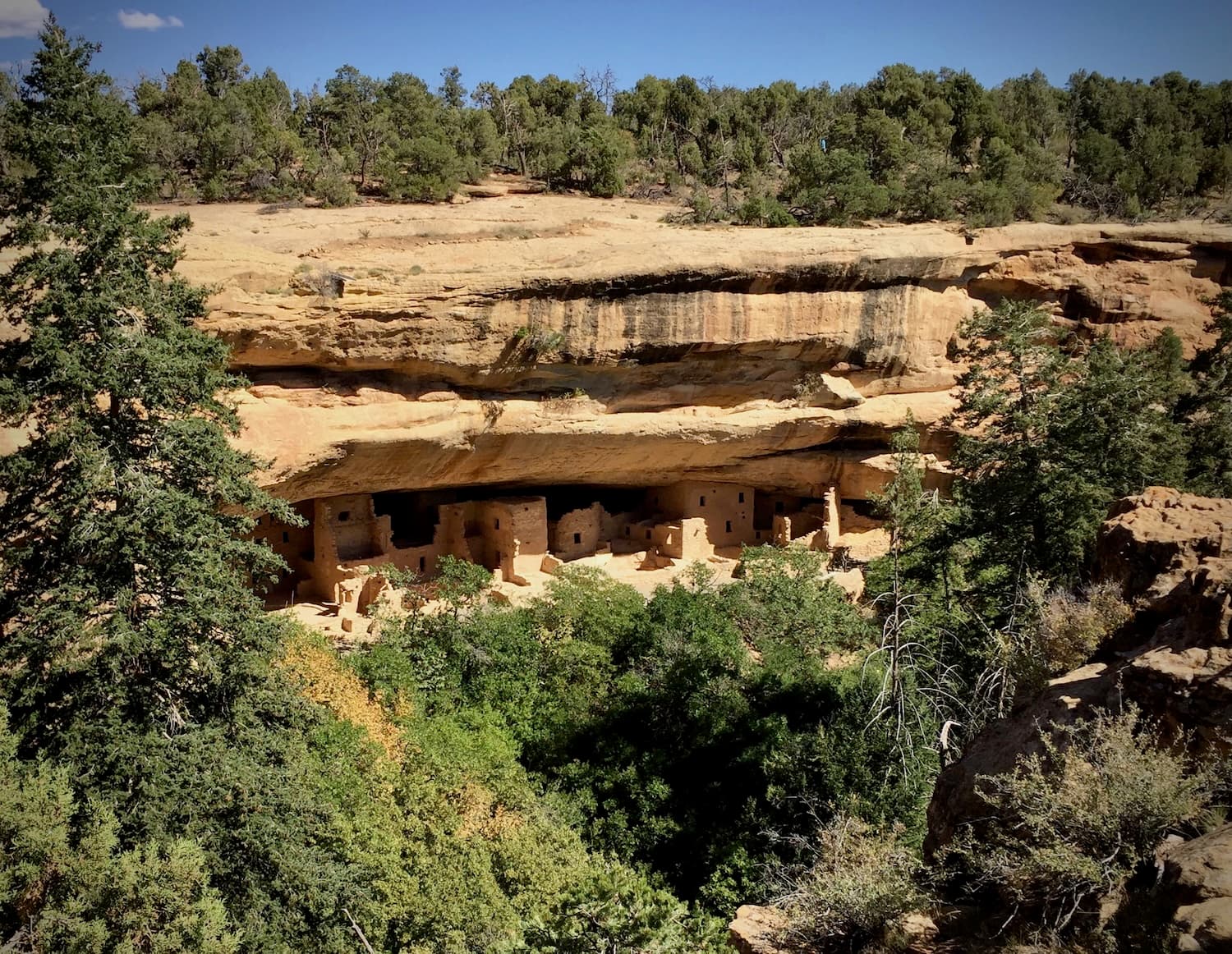
Mesa Verde Country
The gateway to Mesa Verde National Park and the Colorado gateway to the broader Four Corners Region of the Southwestern US, the tourism region of Mesa Verde Country includes the towns of Cortez, Dolores and Mancos. Mesa Verde National Park is one of the nation’s first World Heritage sites and the largest archaeological preserve in the country In addition to Mesa Verde, the region is loaded with other archaeological attractions, including: Hovenweep National Monument, Canyons of the Ancients Visitor Center & Museum, Ute Mountain Tribal Park, Crow Canyon Archaeological Center, and the Cortez Cultural Center. Mountain biking enthusiasts have recognized Mesa Verde Country as one of the next great mountain biking destinations. The towns of Cortez, Dolores and Mancos provide accommodations, dining, outdoor fun and visitor services. Two national byways pass through Mesa Verde Country.
Cortez
Located eight miles from the entrance to Mesa Verde National Park, many consider Cortez the cultural center of Mesa Verde Country. Strong agricultural traditions and Native American heritage characterize this town, located in the the valley that is shadowed by Mesa Verde. Ancient cliff dwellings, cowboys and farms mingle harmoniously below the surrounding mountains. Archaeological Center of America Cortez was a part of the Old Spanish Trail—the route that connected northern New Mexico, California and southern Colorado starting in the late 16th century, and is still considered the trade center of the Four Corners region. Its culture is steeped in the ancient history of the indigenous people who still call this high desert valley home. See intricate artwork, artifacts and customs of the native people at the Cortez Cultural Center. And make Cortez your base camp for the 114-mile Trail of the Ancients scenic byway, that tours through natural wonders and archaeological points of interest.Locally sourced cuisine, Colorado wines and craft breweries mark the agricultural traditions that date back to the Ancestral Puebloans’ cultivation here. Things To Do in Cortez Main Attractions Tour Mesa Verde National Park Hike or ride to archeological sites in Canyons of the Ancients National Monument Visit Hovenweep National Monument Attend American Indian dances at the Cortez Cultural Center You'll find the Cortez community near the Sleeping Ute Mountain and the “green table” of Mesa Verde, just 10 minutes from the park. Learn about the cultural heritage of the region at the Cortez Cultural Center, and walk through it at the Canyons of the Ancients National Monument or Hovenweep National Monument. After you visit these sites, you'll leave steeped in the history of the Ancestral Puebloan people, from the places they lived to the tools they used in everyday life. In less ancient history, Cortez was on the Old Spanish Trail, which ran from northern New Mexico to California and southern Colorado in the late 1500s. Today’s trails are a little different, though — more tailored to hikers, mountain bikers and horseback riders than mules and merchants. Ride past artifacts on the Sand Canyon Trails in the Canyons of the Ancients or whoop it up across the Phil’s World trail network. Cruise the accessible trails in the Carpenter Natural Area and watch for wildlife and archaeological sites in Hawkins Preserve as you hike, bike, rock climb or stargaze. Given its proximity to the more than 600 acres of parks, trails and open spaces, as well as the depth of history, it’s particularly convenient that Cortez has so much to offer in the way of dining and lodging. The community near the Four Corners (where the borders of Colorado, Utah, Arizona and New Mexico meet) has retained its connection to its earliest roots of agriculture, which shines through in the locally sourced dishes at unique local restaurants. One of the best ways to take in as many of Cortez’s gems as possible is to follow the 114-mile Trail of the Ancients scenic byway. This route tours the natural wonders that surround Cortez and its numerous archaeological sites. Explore what Cortez has to offer below! Accommodations Arts and Culture Attractions and Entertainment Food and Drink History and Heritage Visitor Information
Durango
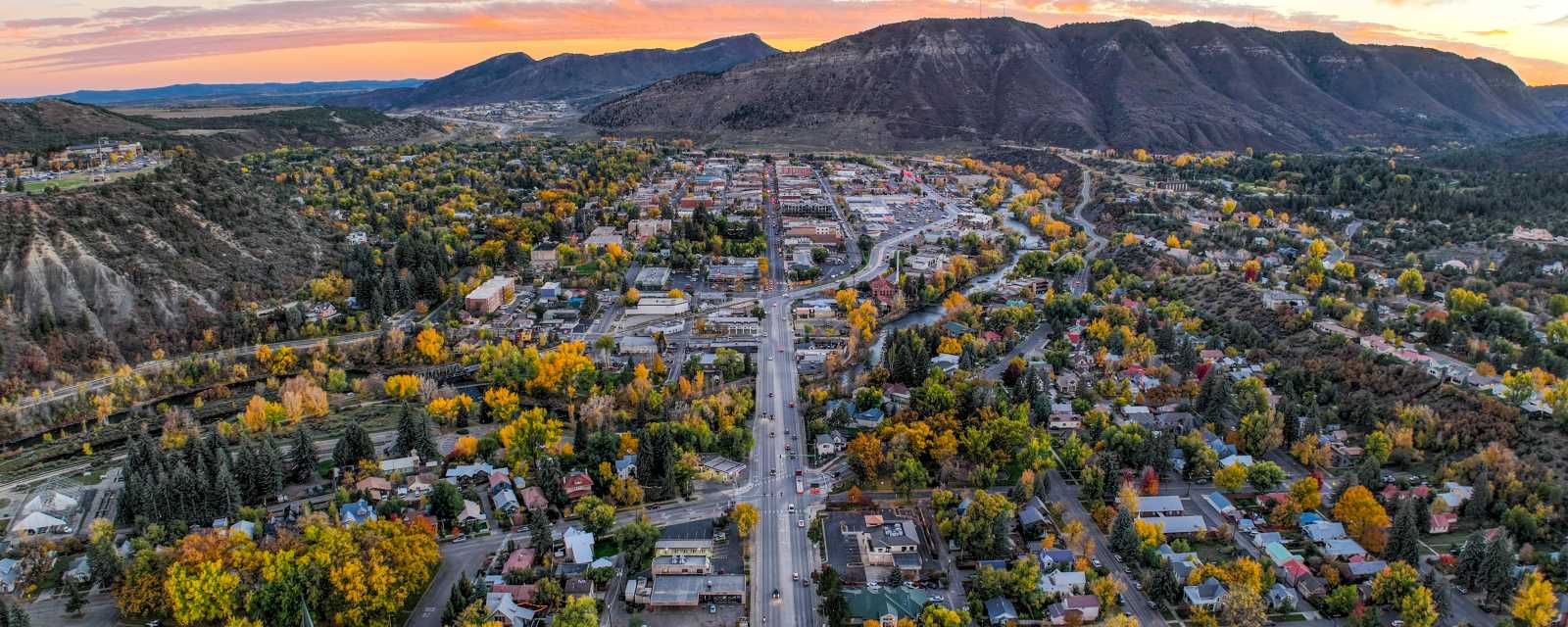
Established in 1881, Durango was founded by the Denver & Rio Grande Railroad. A National Historic District, downtown Durango overflows with historic hotels, restaurants, art galleries, and boutiques. The rugged San Juan National Forest and San Juan Mountains offers hundreds of miles of world-class mountain biking, hiking, rock climbing, plus fishing and boating on the Animas River, Lake Nighthorse, Haviland Lake, and more. North of Durango, Purgatory Resort features 105 trails, five terrain parks, and 1,605 skiable acres. Board the historic 1880’s Durango & Silverton Narrow Gauge Railroad (D&SNGR) for breathtaking views and old-world atmosphere, or visit archaeological wonders and ancient cliff dwellings at nearby UNESCO World Heritage Sites like Mesa Verde National Park. Things to do Arts In Durango, art is not just an attraction—it’s a way of life, woven seamlessly into the fabric of this charming mountain town. The town’s dedication to the arts extends beyond visual and performing arts to an active literary and creative writing community. With over a dozen galleries showcasing works from local and regional artists, every corner of Durango is infused with creativity. History and Heritage Durango has a long and rich history that history buffs and curious folks of all ages will enjoy. Discover Durango’s abundant history at any of our many museums. Durango is truly where the old west survived, and where the new west thrives. Outdoor Adventure With direct access to Colorado’s largest wilderness area, Durango is the headquarters for outdoor thrills. From the Animas River Valley to the 14,000’ San Juan peaks, adventure in Durango is everywhere: Backpacking Bird and wildlife watching Climbing and bouldering Cross country skiing Fishing And much more Food and Beverage Durango, Colorado, is home to a world-class culinary and beverage culture! Explore the international dining scene with various options from around the globe. Sample craft cocktails at one of the many bars throughout town or sample local spirits made with pure snowmelt from nearby distilleries. Enjoy fine wines from across the world or try something new at our coffee and tea shops. Plan your trip Plan your trip to Durango with ease. You're sure to find your vacation sweet spot in Durango's variety of accommodations. From some of Colorado's most iconic hotels, cabins, and vacation rentals, to a lovely campground or RV spot close to nature, Durango gives you more for your visit. Trying to figure out what to see and do in Durango? Here are itineraries centered around the seasons, activities, and other themes. You'll get ideas of what to do, where to go, what to see, where to eat, and more! No matter the season, there are always events that Durangoans anticipate. Whether it’s Snowdown in the winter, Taste of Durango in the spring, Fiesta Days and the Fair in the summer, or Oktoberfest in the fall, each season brings locals together to enjoy the wonderful town of Durango. For more information, visit Visit Durango.
Built for Everyone in Responsible Travel
Whether you're planning your next adventure, running a local business, or stewarding a destination, GoGood provides the tools and insights you need.
For Travelers
Find authentic, locally-rooted experiences that connect you with culture, nature, and communities. Every choice you make creates positive impact.
For Businesses
Get listed on GoGood, measure your stewardship performance, and reach travelers who value local ownership and authenticity.
For Destination Stewards
DMOs, nonprofits, and community leaders: grow regenerative tourism that benefits your place and people while reducing negative impacts.
Tourism That Creates Positive Impact
Verified Stewardship
Every destination and business is assessed through the Stewardship Scan — built on Green Destinations' Good Travel Scan and extended with our Bonus questions on local ownership and certification.
Community-Centered
We prioritize local ownership, cultural preservation, and community well-being in everything we do.
Regenerative Tourism
Go beyond "doing less harm" to actually improving the places you visit through conscious travel choices.