Colombia
Find locally-rooted places and experiences to enrich your visit and support the community
GoGood in Colombia
Choose authentic local places committed to stewardship and sustainability. Sign up to save places, plan trips, and promote your place on GoGood.
Cartagena
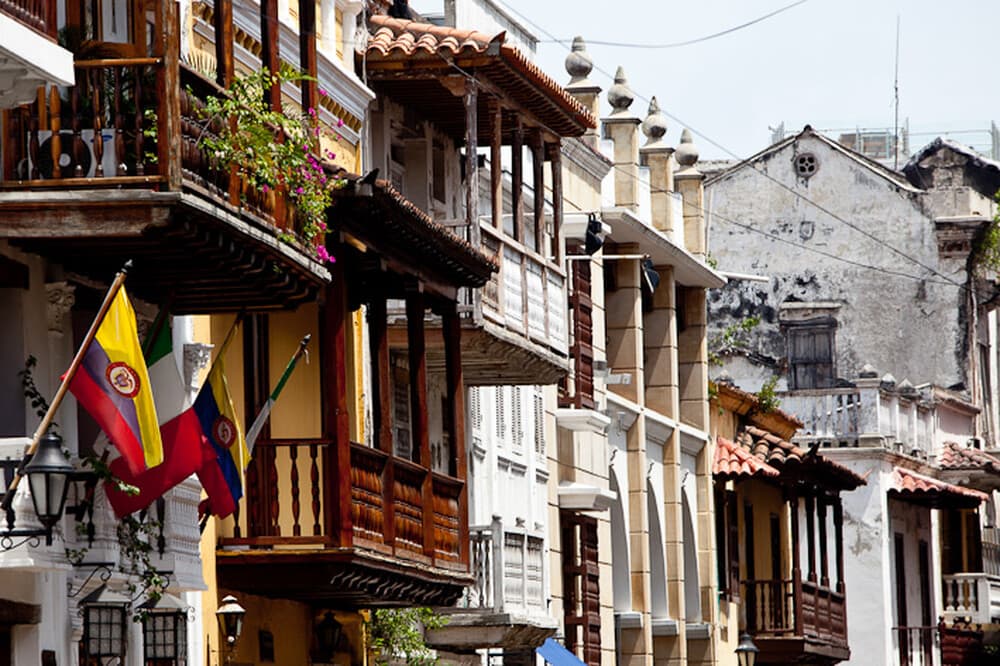
Cartagena is a city that is located on the shores of the Caribbean Sea, in the northwestern part of the South American continent. It is the capital of the Bolívar region, which is located in the north of the country. The city has several archipelagos and islands around that are paradises for true rest. Among these are Tierra Bomba Island, Múcura Islan, and Barú Island, among others. Cartagena de Indias brings together the charm of colonial architecture, the excitement of a vivid night life, fascinating cultural festivals, and lush landscapes. The city’s beaches beckon, inviting you to unwind and enjoy yourself in the refreshing breeze and warm waters of the sea. This fabulous destination holds the secrets of history within its walled city, on its balconies, and in the narrow stone walkways that inspired author Gabriel García Márquez, who was received the Nobel Prize in Literature in 1982. Framed by its stunning bay, Cartagena de Indias is one of the most beautiful, well-preserved cities in the Americas; a treasure that is currently one of the most heavily frequented tourist destinations in Colombia. UNESCO World Heritage Site Port, Fortresses and Group of Monuments, Cartagena Situated in a bay in the Caribbean Sea, Cartagena has the most extensive fortifications in South America. A system of zones divides the city into three neighbourhoods: San Pedro, with the cathedral and many Andalusian-style palaces; San Diego, where merchants and the middle class lived; and Gethsemani, the 'popular quarter'. Due to the city’s strategic location, this eminent example of the military architecture of the 16th, 17th and 18th centuries was also one of the most important ports of the Caribbean. The port of Cartagena – together with Havana and San Juan, Puerto Rico – was an essential link in the route of the West Indies and thus an important chapter in the history of world exploration and the great commercial maritime routes. On the narrow streets of the colonial walled city can be found civil, religious and residential monuments of beauty and consequence. Experiences in Cartagena Plaza de Santa Teresa The name of the Plaza de Santa Teresa, in the southwest of the walled town, has its origin in the old convent in front of it. Horse-drawn carriages pass through this place and pedestrians can cross a small bridge and observe the sea, the dome of the church of San Pedro, the Naval Museum and the Parque de la Marina. La Puerta y la Torre del Reloj The Gate and Clock Tower (“la Puerta y la Torre del Reloj”) can be seen at the main entrance of the walled city. Of the three open doors there, only the central one existed originally; the other two were occupied by a gunroom and a chapel. In 1874, a clock was brought from the United States, and 63 years later it was replaced by the current clock, imported from Switzerland. Barú Although for many it is "La Isla de Barú", it is actually a peninsula, bordered by the bay of Cartagena, the Canal del Dique, and the Caribbean Sea. It is characterized by the color of its sand -white and pink- as well as the clarity of the water, which allows you to see the seabed. Nearby, there are channels with mangroves, water mirrors, and underwater gardens. San Basilio de Palenque Cultural Space The history of San Basilio de Palenque is marked by the struggle for freedom and the preservation of ancestral traditions. In 1713, this town was recognized as the first free territory in America, where its inhabitants developed a society based on autonomy and cultural identity. Visiting San Basilio is an opportunity to learn about this rich living history that still resonates in every corner of the town. Varied cuisine Visitors who love sampling new, exotic dishes will be thrilled by the best restaurants in Cartagena which may include many local and international eateries. Thanks to Cartagena’s rich ethnic background, local Cartagenero dishes reflect the influence of African, indigenous, and European cuisines. For more on what to do in Cartagena, visit ProColombia.
Los Katíos National Park
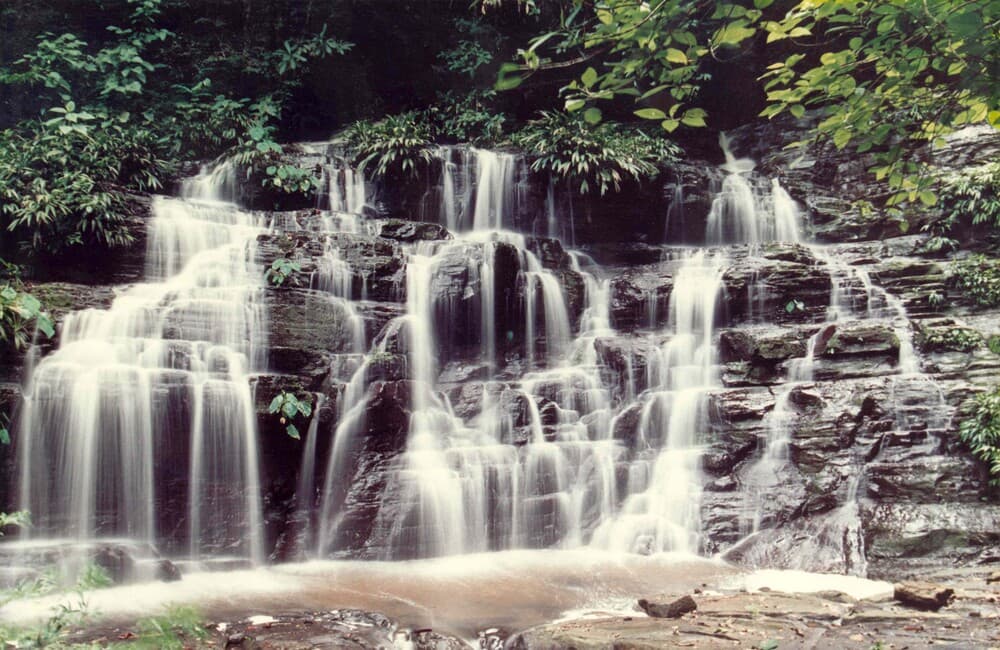
Los Katíos National Park, in the mountains and forests of the Darién isthmus, is one of Colombia’s best preserved protected areas, important for very high biodiversity, high regional endemism and as a filter and major convergence zone of South and Central American taxa. Contiguous to the much larger Darién National Park of Panama which is also a World Heritage Site, these two areas together protect a representative sample of one of the world’s most species-rich areas of moist lowland and highland rainforest, with exceptional endemism. Extending over 72,000 hectares in north-western Colombia, the park is located in the Colombian mountain zone up to an elevation of 600m and encompasses significant wetland areas, including the extensive Ciénagas de Tumaradó. It is the only place in South America where a large number of Central American species occur, including threatened species such as the American Crocodile, Giant Anteater and Central American Tapir. Vegetation This is part of one of the most species-rich lowland forest areas in the world, unusual in resembling a mid-elevation cloud forest, with fern cover and epiphytes. It is at the northern end of the Chocó-Darién moist forest ecoregion, one of the world’s largest active centres of speciation and endemism. Owing to their location at the southern end of the Central American land bridge, the mountains of the Darién isthmus filtered the interchange of flora and fauna between North and South America during Tertiary and Pleistocene periods, a process which continues today. It is thought to be the site of a Pleistocene refuge and is certainly the last refuge in the area for many species which would otherwise become extinct. This is still the only area in South America where large numbers of Central American taxa are found. A total of 669 plant species had been recorded by 1993, 20-25% endemic (Government of Colombia, 1993). 71% of the vegetation is tropical forest composed of flooded evergreen forest; second-growth forest and lowland evergreen forest. 28% is freshwater marsh, swamp, rivers and streams, and 1% is estuarine (BirdLife International, 2008). The lowland swamp forests of the Park are of three types: swamp margins dominated by Montrichardia arborescens with Polygonum acuminatum, the Panganal consociaton of Raphia taedigera, Erythrina fusca, Pachira aquatica, Prioria copaifera, and Ficus dendriocida and the Cativo, a floodland vegetation type found only in Colombia, south Central America and Jamaica where cativo trees Prioria copaifera of up to 50m occur, with epiphytes and ferns. The aquatic vegetation is dominated by the water hyacinth Eichhornia azurea. The remainder is lowland to pre-montane tropical rainforest. These are characterised by Cavanillesia platanifolia, Ceiba petandra, Hura crepitans, wild cashew Anacardium excelsum, and palma mil pesos Jessenia polycarps. The understorey has Ochroma lagopus, Cecropia spp. and Cochlospermum vitifolium. A second main association is of Brosimum utile with rubber tree Castilla elastica. Fauna The very high rainfall of the area has acted as a barrier to the distribution of many vertebrate species (WWF, 2001). Nevertheless, the region’s faunal and avian diversity and endemism are both high. Some 550 species of vertebrates (excluding fish) have been found in the Park. Threatened mammals include giant anteater Myrmecophaga tridactyla (VU), bush dog Speothos venaticus and Central American tapir Tapirus bairdii (EN) (Gov’t of Colombia, 1993; INDERENA, 1984). A 1981 WCMC description of the National Park cited the presence of jaguar Panthera onca, coypu Myocaster coypus and spectacled caiman Caiman crocodilus. Los Katíos also harbours several Central American species found only here in South America such as Desmarest’s spiny pocket mouse Heteromys desmarestianus and several birds. The American manatee Trichechus manatus (VU) has recently been found in the Ciénaga de Tumuradó and the American crocodile Crocodylus acutus (VU) occurs in the Ciénaga de Cacarica. More than 450 species of birds (representing 25% and 50% of the avifauna of Colombia and Panama respectively) have been recorded in the Park (412 in 2003, BirdLife International, 2008b). Threatened lowland species include the black oropendola Psarocolius guatimozinus and perhaps the Baudo Psarocolius cassini (EN), Choco tinamou Crypturellis kerriae (VU) and speckled ant-shrike Xenornis setifrons (VU). The Serranía del Tacarcuna is home to many endemic species such as the Tacarcuna wood-quail Odontophorus dialeucos (VU), grey-headed chachalaca Ortalis cinereiceps, rufous-cheeked hummingbird and violet-capped hummingbirds Goethalsia bella and Goldmania violiceps; also the great green macaw Ara ambiguus (EN), great curassow Crax rubra (VU) and cerulean warbler Dendroica cerulea (VU) plus several near-threatened species: harpy eagle Harpia harpyja, northern screamer Chauna chavaria, russet-crowned quail-dove Geotrygon goldmani, sooty-capped puffbird Bucco noanamae and black-crowned antpitta Pittasoma michleri (BirdLife International, 2008). Most mountain species are not threatened at present but their very small range sizes may leave them vulnerable to disturbance (Stattersfield et al., 2000). The number of reptiles and amphibians in the ecoregion is high, but apart from the endemic mountain frog Rhamphophyrne acrolopha no others are listed for the site. Conservation Value The mountains and forests of the Darién isthmus in Los Katíos form one of the best preserved protected areas in Columbia, important for their very high biodiversity, high regional endemism and as a filter and major convergence zone for South and Central American taxa owing to their location. This is still the only area in South America where large numbers of Central American taxa are found. The Park is contiguous with Darién National Park World Heritage site, the two parks protecting a total of 669,000 ha of the region's ecosystems as well as outstanding scenery (Government of Colombia, 1993; Pintor, 1992). The Park lies within a Conservation International-designated Conservation Hotspot, a WWF Global 200 Eco-region, a WWF/IUCN Centre of Plant Diversity and in one of the world’s Endemic Bird Areas. Cultural Heritage The region was previously inhabited by the Kunas, an indigenous group which was forced to migrate to Panama because of inter-tribal fighting with the Katío-Embera group which is now established throughout Colombia's Chocó region. The Darién region, including Los Katíos, was historically important for the crossing of the first colonisers from North America some 20,000 years ago, as has been confirmed by the discovery of archaeological remains. The Spanish conquistadors Rodrigo de Bastidas, Alonso de Ojeda and Vasco Núñez de Balboa visited the area in 1501 (INDERENA, 1984). Local Human Population Human activities are concentrated in Sautatá. Some 700 ha (1% of the Park) was originally cultivated, mostly for sugar cane, by 700 people. By 1981 some 150 families inhabiting the Park were relocated in the nearby towns of Unguía, Puente América, Tumaradó and Cacarica. Their settlements are now inhabited by timber traders whose activities have threatened the Park for over 20 years. The rest of the Park has never been cultivated, although there has always been occasional felling of timber trees such as Ceiba petandra and Cedrela (Government of Colombia, 1993). There is commercial fishing and heavy boat traffic on the Atrato River but this does not affect the land area of the Park. Some of the local Kuna, Embera and Wounaan peoples may come under great pressure when the Pan-American Highway is completed. Visitors and Visitor Facilities Less than 700 visitors reach the Park every year and there have been trails and lodges housing 20 people since 1990. Access to the administrative centre at Sautatá is by boat from Turbo on the Gulf of Urabá which can be reached by air from Medellín. Alternative access is from Quibdó and Riosucio which connect with Sautatá via the Río Atrato (Government of Colombia, 1993).
![Discover Capurganá [Awake]](/_next/image?url=https%3A%2F%2Focrxcvpgnrugthscqdrt.supabase.co%2Fstorage%2Fv1%2Fobject%2Fpublic%2Fasset-photos%2F15c436e9-c708-4141-ad27-1bda6dce3bb8%2F0351aab5-c241-4c93-a422-6daee991931e-1672353516877472.jpg&w=3840&q=75)
Discover Capurganá [Awake]
Capurganá is a small town in the Colombian Darien region, on the Caribbean Sea. A destination of sun, beach and jungle. The hotel is located 5 minutes walk from the beach and you will have the opportunity to visit the beautiful bay of Sapzurro and cross to Panama to visit the paradisiacal beaches of La Miel. Itinerary Day 1 - Arrival in Capurganá Your host will meet you at the airport or at the Capurganá pier to accompany you to the hotel. Lunch. In the afternoon you will take a tour of the town until you reach the Pool of the Gods . Afternoon of rest on the beach. Day 2 - Excursion to Sapzurro and La Miel After breakfast you will travel by boat to Sapzurro, it will be a trip of approximately 10 minutes. There you will start the walk to La Miel, walking the 275 steps to the border crossing with Panama, to enjoy its white sand beaches . At noon we will pick you up by boat to return to Sapzurro and enjoy lunch. Afternoon on the beach in the bay of Sapzurro. At the end of the afternoon you will return to Capurganá by boat. Day 3 - Excursion to Aguacate Bay In the morning and after breakfast you will begin an excursion to Aguacate Bay and Soledad Beach. Lunch and afternoon at the beach. At midday return to the hotel. Dinner and rest. Day 4 - Return to Medellin After breakfast you will check out and be taken to the airport or pier to return home. Services include Accommodation: 3 nights in a room with single, double, triple, quadruple or quintuple accommodation, air conditioning, bathroom, private shower and terrace with hammock. Food: 3 breakfasts, 3 lunches, 3 dinners and welcome drink. Activities: Boat trip to Sapzurro and hike to La Miel beach in Panama. Excursion to Aguacate Bay and Soledad Beach. Hike to the Pool of the Gods. Tour of the town of Capurganá. Others: Travel insurance and reception and handling of luggage at the airport or at the Capurganá pier. Not included Transportation: Air or sea transfers to or from Capurganá. Accommodation: Additional nights to the plan and other accommodations different from those pre-established in the package. Food: Breakfast on day 1, lunch and dinner on the last day, snacks, additional drinks and drinks at the Bar. If your stay includes the nights of December 24 or 31, an additional payment of $62,500 COP per person (children and adults) must be made corresponding to the white night and special dinner. Activities: Not described in the includes . Others: Port tax for boarding to Sapzurro ($3,000 COP per person), tourist tax in La Miel ($3,000 COP per person), entrance to natural parks ($10,000 COP per person). Accommodation The hotel is located in the town of Capurganá, near the Narciso Navas airport and just over 200 meters from the beach area. The rooms are located in cabins and surrounded by large gardens. Each room has large and comfortable beds, air conditioning and a private bathroom. They also have a small terrace with a hammock where travelers usually spend the afternoon accompanied by a good book, since there are no televisions or WiFi. The hotel has a swimming pool and board games area. Please note that the rate for 1 person corresponds to a private room, that of 2 people to a double room, that of 3 people to a triple room (double bed + single), that of 4 people to a quadruple room (double bed + 2 single beds ), for 5 people in a quintuple room (double bed + 3 single beds), for 6 people in 2 triple rooms, for 7 people in 1 triple and 1 quadruple room, for 8 people in 2 quadruple rooms, for 9 people to 1 quadruple room and 1 quintuple room, for 10 people to 2 quintuple rooms, for 11 people to 2 quadruple rooms and 1 triple room and for 12 people to 3 triple rooms. Children under 3 years old do not pay for their stay , but they do pay hotel insurance and share bed and food with their parents; Any consumption or special requirement for them will have a cost at the hotel. Keep in mind that the hotel has schedules for providing restaurant services, in case your flight is delayed and you arrive at the hotel after 3pm, keep in mind that that lunch will be lost . How to get there? Capurganá is isolated by land from the rest of the country. You can get there, safely, in two ways: Air: flying from the Olaya Herrera airport in the city of Medellín to the Narcisa Navas airport in Capurganá, on a flight lasting approximately 1 hour. You can also fly to Acandí and then take a boat to Capurganá. Land and sea: you can travel by bus or car to Necoclí, a coastal town near the Gulf of Urabá, it will be a journey of approximately 9 hours. Once in Necoclí you take a boat to get to Capurganá, it will be a journey of approximately 2 hours. Remember that after making your reservation, we can help you manage the purchase of your tickets or ground transportation from your city of origin to your destination to make your experience more complete. Travel recommendations Sunscreen and lipstick (ideal if natural). Insect repellent. Sunglasses, with a minimum UV400 filter. Canteen, thermos or camelback. Personal towel to use during walks. Small backpack to use during walks. Basic elements of personal hygiene. Goggles or mask for snorkeling. Traveler documents: passport, identity card or citizenship card, military passbook and medical insurance card. It is advisable to be vaccinated against Yellow Fever and carry your vaccination card. If you take specific medications, take them with you. Never over carry a personal first aid kit. Travel clothing: It is important to wear comfortable clothing, preferably quick-drying, light-colored synthetic clothing. Long pants and long-sleeved shirts or t-shirts. Closed, comfortable shoes for walking and easy drying. You can also bring some additional sandals. Lightweight raincoat. Dress or swimwear. Hat or cap. Scarf or sarong to protect you from the sun. The main attraction of Capurganá lies in the possibility of disconnecting from the hustle and bustle of the cities, the means of transportation are bicycles, boats and horse-drawn carts. One of the most popular plans in the destination is the walk from Sapzurro to La Miel. It is a marked trail in which you must climb nearly 200 steps to reach the top. Here you will find a military post where they will require your ID - a passport is not necessary - to enter La Miel, the first region of Panama bordering Colombia. At the top, you can see the Colombian coast on one side and the Panamanian coast on the other. We recommend visiting Capurganá in the months of April to October if your vacation allows it. In January there are many visitors to the destination and you may not enjoy the tranquility of the places 100%. If your room is ready before check-in, it is likely that they will deliver it to you, otherwise you have to wait for check-in time at 3:00 pm. Cancellation Policy Transportation Contract: Awake Travel acts solely as a platform (intermediary); flight reservations entail a direct contract with the airline. Cancellation Policies: Penalties for cancellations vary from 20% to 100% depending on the notification date; no cash refunds are provided, but a voucher, name change, or rescheduling is offered. No Show and Penalties: Failure to show up results in a 100% charge for activities; Awake Travel does not assume responsibility for external causes, flight delays, missed flights, illness, road problems, or any other situation preventing arrival at the agreed meeting point at the agreed time and date. Voucher Bonus: Awake may issue a voucher to reschedule the reservation or use it for another trip without forfeiting the deposit. The voucher is valid for four (4) months from its issuance. There will be no refunds for differences in the value of services. Reservation Rescheduling: You can only reschedule the reservation with a minimum advance notice of thirty (30) days before the trip start date. Reservation Modifications: Travelers are responsible for changes and associated fees; rescheduling is subject to approval and additional fees. Right of Withdrawal: The maximum term to exercise the right of withdrawal is five (5) business days, counted from the delivery of the goods or the signing of the contract agreed upon by the customer and Awake.Travel. It does not apply to trips booked at least 7 days before the start of the experience. We invite you to review our terms and conditions at the following Termsandconditions
Historic Centre of Santa Cruz de Mompox
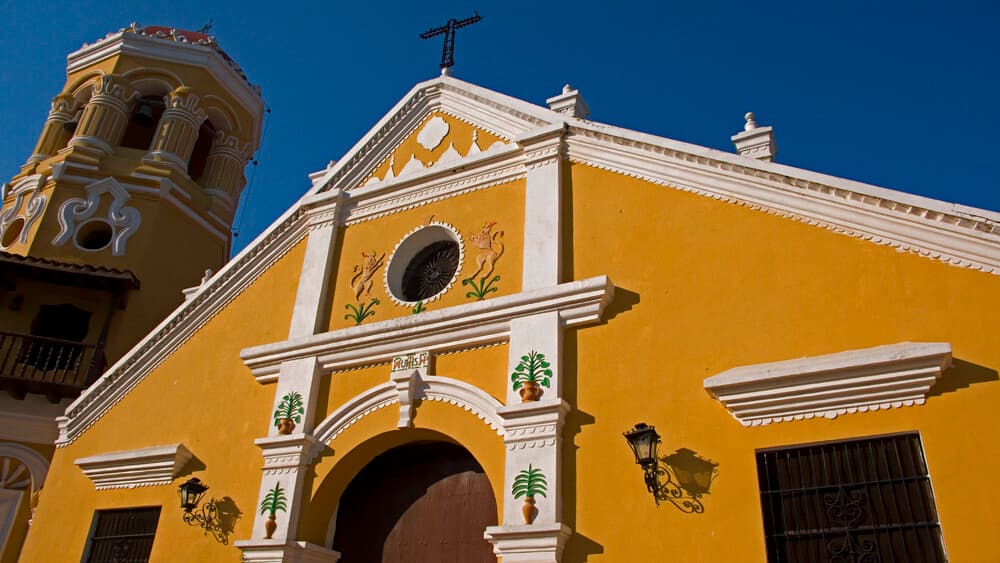
Founded in 1540 on the banks of the River Magdalena, Mompox played a key role in the Spanish colonization of northern South America. From the 16th to the 19th century the city developed parallel to the river, with the main street acting as a dyke. The historic centre has preserved the harmony and unity of the urban landscape. By virtue of the fact that Santa Cruz de Mompox lost much of its economic importance in the 19th century, its historic centre has not been subjected to the pressures for redevelopment that have affected other towns of this type in northern South America. The historic centre’s original street pattern has been preserved intact, along with a large proportion of its earlier buildings. Its level of authenticity is therefore high in terms of its setting, forms, materials and construction techniques. Most of the buildings are still being used for their original purposes. The historic centre has therefore retained its original residential function. The historic centre is generally in a good state of preservation; private owners have considerable pride in their properties, which they maintain in good condition without government funding. The development of the town over time illustrates the processes of colonial penetration and dominion during the Spanish conquest and the growth of communications and commerce from the seventeenth to the early nineteenth century. Unlike the majority of colonial Spanish settlements, which were organized around a town square, Santa Cruz was laid out along the river instead. The city contains three such nodes, Plaza Central or Plaza de la Concepción, Plaza de San Francisco to the north, and Plaza de Santa Bárbara to the south. The symbiosis between city and river has persisted from the earliest settlements in this location, demonstrating an exceptional association between natural landscape and townscape.
Medellin Flower Festival
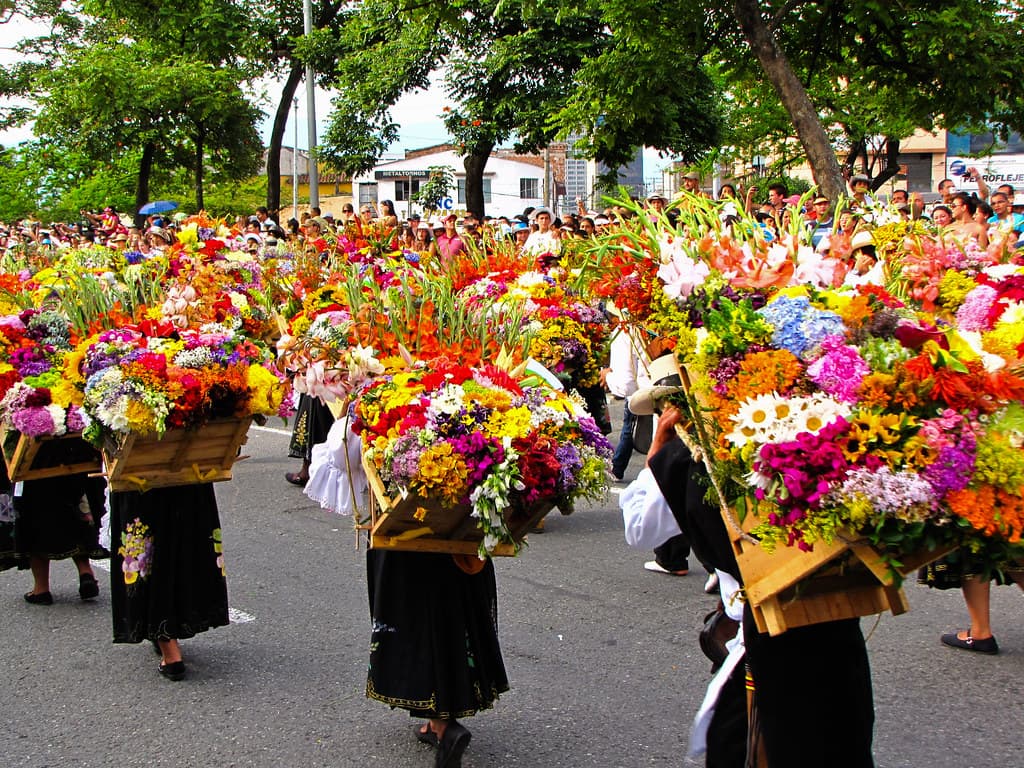
Colombia is world-famous for its blooms and every year, in the heart of the coffee district, a giant festival is held in Medellin to celebrate Colombian flowers and those who grow them. In August, when Medellín – known as the “city of eternal spring” – blooms in all its splendor and balconies, terraces and gardens are flooded with flowers, the much-celebrated Medellin Flower Festival begins. This celebration of color and joy, which is called Feria de las Flores in Spanish, takes place at the start of August and is a kaleidoscope of pride and celebration that lasts for ten days with a packed calendar of activities. What to do at Medellin’s Flower Fair There are more than 140 different cultural, traditional, and modern events, including a horse fair, an orchestra festival, an old and classic car parade and the national trova festival, where talented singers duel in improvised verses. There’s also a dog walk, musical and cultural platforms, the festival of remembrance and folk songs, and the national “noise on wheels” championship. The flower fair is one of Colombia’s stand out cultural events and is both a reaffirmation of the country’s fertile, agricultural identity and an event that allows the people of Antioquia to celebrate their achievements. Festival origins The city’s first Feria de las Flores was held on May 1, 1957, and lasted for five days. The activities then included dancing in purpose-built stalls that were put throughout the city for local people to use and enjoy. Arturo Uribe, from Medellín’s Office for the Promotion of Tourism, suggested that local flower growers, known as silleteros for the way they arrange their flowers on a chair-like contraption that can be carried on a person’s back, parade through the streets. He invited growers from the nearby district of Santa Elena, whose families had devoted themselves to flower production for generations, to showcase their efforts. His invitation was accepted by forty silleteros, and spectators from across the region, attracted by the quality, beauty and vibrant colors of the floral displays, fell in love with the silleteros parade, which has continued ever since. Desfile de Silleteros The silleteros’ parade, known in Spanish as the Desfile de Silleteros, is undoubtedly the most memorable event of the entire Feria de las Flores, and it is recognized and protected as being part of Colombia’s cultural heritage. The silletas on display in the parade are made from wood and have a back plate and two handles so they can be carried on a person’s back. They were used in colonial times to transport people through the Andes mountains, in Antioquia. The most famous figure of this tradition is the legendary María La Larga, a silletera who was said to have carried children on her back. María and her novel way of transporting the children persuaded many of the region’s farmers that silletas were the easiest and fastest way for them to transport their flowers from their farms to the city. The use of the word silleta then became generalized and since the beginning of the twentieth century, the term has been used for the people who sell local flowers on Medellín’s cobble-stoned streets. Every year, men, women, and children proudly carry on their backs a floral depiction of their life histories, land, and culture. This parade is eagerly awaited by both foreign and national tourists who join in the lovely tradition of chanting “Cuando pasan los silleteros, es Antioquia la que pasa,” (When the silleteros pass, it’s Antioquia that is passing.) The Chiva carnival Another essential element in the Feria de las Flores is the Chiva carnival. Chivas are traditional Colombian open-sided buses, built on a truck chassis, that are an emblematic means of transport in the country’s rural areas. They are built to survive the area’s mountainous terrain and usually have a ladder to the open roof, which is packed to bursting with people, livestock and local produce. The seats are mostly simple benches and there is no need for windows. Up to 80 painstakingly-decorated chivas gather for the chiva carnival every year, which involves a three-hour parade through the city’s streets and a fierce competition to see which chiva has the best decoration, as well as mechanical function. Chiva owners are proud of their vehicles and always give them a name. The parade is a sight to behold, with the brightly-painted buses stuffed full of fruit, flowers and balloons, and decorated in every color, including the yellow, blue and red of the Colombian flag. Winning the carnival is extremely important for the contestants, with the victor receiving several prizes and the chance to have their chiva, which is always heavily personalized, included in publicity photographs for the following year’s event. Besides the dizzying array of flowers and cultural events, the Medellin Flower Fair is also an excellent opportunity to sample the region’s cuisine, and experience the deep warmth and hospitality of its people – known affectionately as paisas.
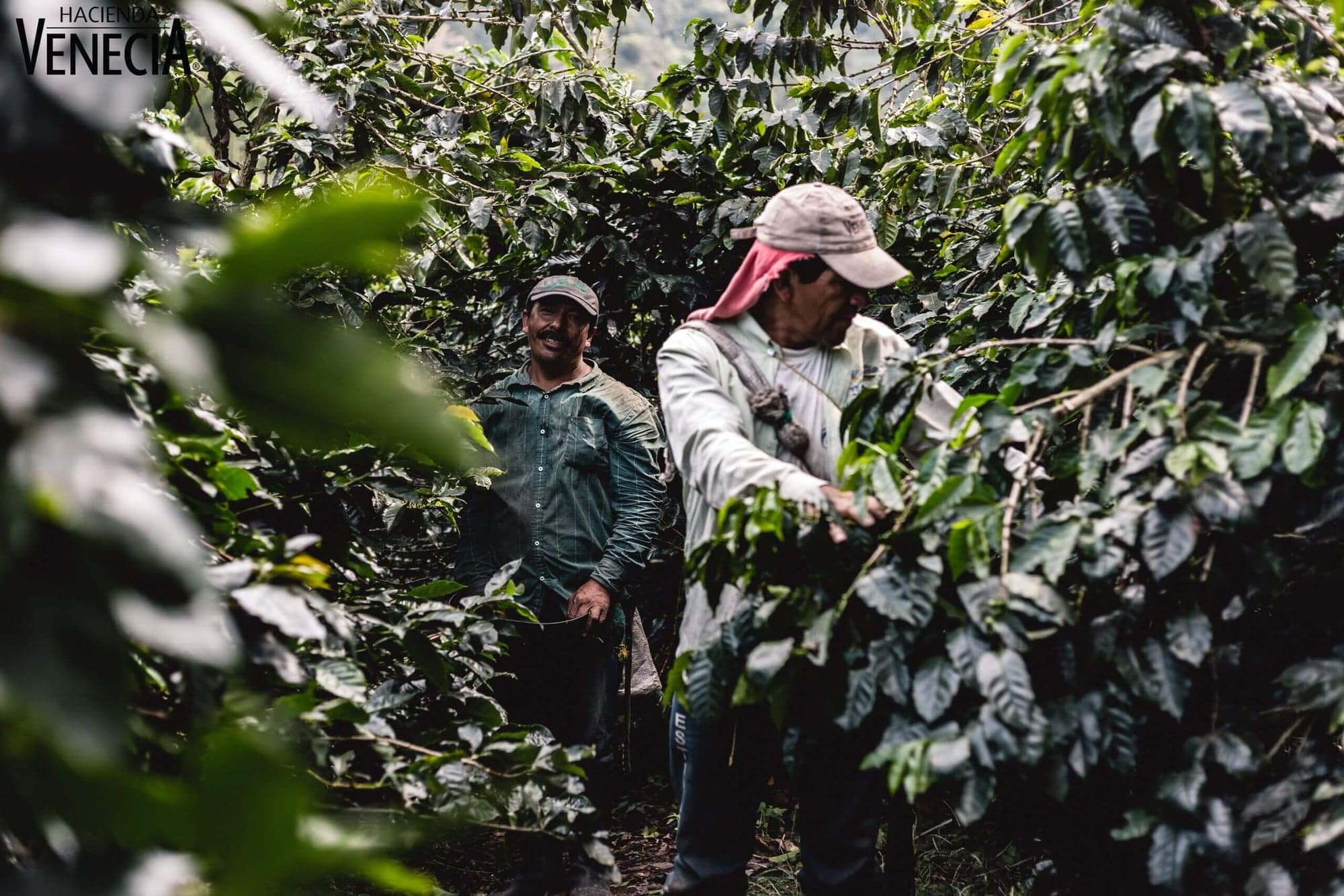
Hacienda Venecia
Hacienda Venecia offers you a rest among coffee plantations and a great amount of activities to live the best experience in the Colombian coffee region. You will find us located in a rural area, between Salento and Medellín, 20 minutes (10.5 km) from the center of the city of Manizales, near the Autopista del Café, towards Pereira. Manizales has a population of approximately 450,000 inhabitants and is located in the Central Andean Cordillera, near Los Nevados National Park. The area was declared a World Heritage Site by UNESCO due to its unique Coffee Cultural Landscape. Hacienda Venencia Roasted Coffee Our “Hacienda Venecia Origin Coffee” is cultivated in the heart of the Colombian Coffee Zone, where the best practices of cultivation, harvesting, processing, drying, milling, roasting and grinding are combined to obtain an excellent mild Arabica coffee. We do our best to produce a high quality coffee with all tastes, you will feel the love that local farmers have invested in every drop. We roast and commercialize Finca Hacienda Venecia Origin Coffee, 100% Colombian – catalogued as one of the best in the world, we conjugate the tradition and magic of coffee, with the best production and roasting practices exalting the characteristics of an excellent Colombian Arabica coffee. In our store you will be able to find Café Hacienda Venecia, as well as elements for the preparation of coffee. Activities at the Hacienda Enjoy the coffee experience with activities at the farm, enjoy our Coffee Tour, touring the coffee plantations and learning about the preparation process; the Artisan Chocolate Workshop, where you will learn where the fruit comes from and you can see the fresh fruit of the cocoa tree and much more. Coffee Tour Coffee Cupping Barista Training Artisan Chocolate Making Explore more activities, here. Stay with us At Hacienda Venecia you can choose to stay in the Main House, a place full of family tradition, in Coffee Lodge, a more modern accommodation within the beautiful landscape of coffee plantations, the cozy Hostal or our Overlanders Site. Social and Environmental Responsibility We care about our planet and our mother nature and do everything possible to minimize any negative impact on the ecosystem generated in the development of tourism activities. We also respect and highlight the work of coffee producers and others involved in the coffee and tourism industries in Colombia. Through all our actions, we want to encourage guests, visitors, employees, neighbors, children, clients and suppliers to preserve the natural and cultural environment in which Hacienda Venecia is located. We generate employment and provide opportunities for the participation of local actors and neighbors in the services provided by Hacienda Venecia, with the objective of increasing the quality of the services. All the eggs we serve to our guests come from two of Hacienda Venecia's field collaborators' houses (Filo and Cataluña). We have encouraged them to keep chickens for this purpose. Education One of our current projects, close to our hearts, is the support of our local elementary school located a few meters from Hacienda Venecia. We invite biology students from the University of Caldas to teach the school children how to observe birds and talk about conservation. We offer them binoculars as a gift, so they can connect with nature and inspire older generations to take care of our environment. The class also promotes the children's interest in perhaps one day becoming birding guides. Apiculture of the Angelitas Another project we promote is the apiculture of the Colombian 'Angelitas' (little angels), which are stingless bees that can be found in most tropical or subtropical regions of South America. With 12 different beehives located on the Hacienda Venecia property, we strive to preserve the bees by providing them with a place to live and positively impacting the health of our local ecosystem. Bees also play an important role when it comes to self-pollinating coffee plants, acting as a type of pollination booster. Their work means that coffee plants produce 20-25% more fruit.
ACOTUR
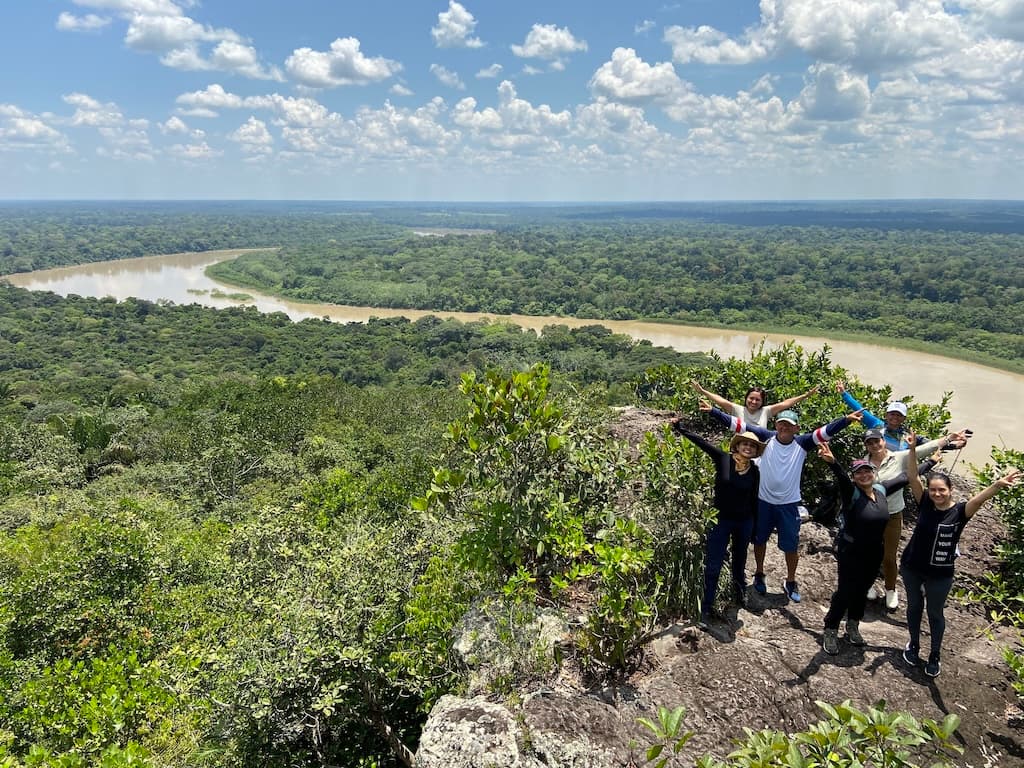
ACOTUR, The Colombian Responsible Tourism Association is working for the development and the promotion of responsible tourism in Colombia. We are committed to the conservation of natural and cultural heritage. We work to strengthen the country’s social backbone for generations to come through honesty, respect, cooperation, and trustworthiness. Our mission is to transform and unite Colombia's tourism sector and turn it into an agent for the conservation of natural and cultural heritage, the reconstruction of the social fabric, and the construction of a new collective narrative of Colombia. Our three main principles Their operations are now based in “coopetition”, a method in which businesses cooperate and compete at the same time, articulating their operations with institutions. This blurs out the sense of competition, transforming division into unity. They have managed to successfully transform communities from service providers to decision makers. The communities being directly impacted, have now become the main narrative when it comes to new touristic destinations. * ACOTUR members must understand the social, economic, and environmental impact that touristic activities have. Therefore they must transform their value chai towards supporting conservation strategies from local communities, mitigating negative environmental impact and restoring the social fabric in new destinations. Learn more about our projects, here.
Coffee Cultural Landscape of Colombia
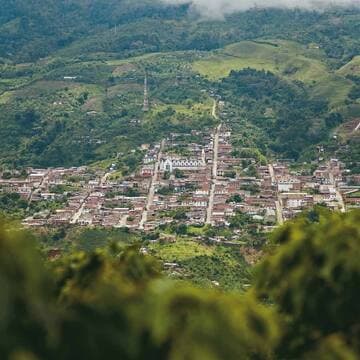
There is no taste like the first sip of a world-beating cup of coffee in the country famous for producing it. Colombia is the land of the coffee bean and a visit to its magnificent Coffee Cultural Landscape, a proud UNESCO World Heritage site, is a must. The region covers Caldas, Quindio, Risaralda and the north of the Cauca Valley, stretching across mountains and hills covered in lush coffee plantations. An exceptional example of a sustainable and productive cultural landscape that is unique and representative of a tradition that is a strong symbol for coffee growing areas worldwide - encompasses six farming landscapes, which include 18 urban centres on the foothills of the western and central ranges of the Cordillera de los Andes in the west of the country. It reflects a centennial tradition of coffee growing in small plots in the high forest and the way farmers have adapted cultivation to difficult mountain conditions. The urban areas, mainly situated on the relatively flat tops of hills above sloping coffee fields, are characterized by the architecture of the Antioquian colonization with Spanish influence. Building materials were, and remain in some areas, cob and pleated cane for the walls with clay tiles for the roofs. Cities to Visit A visit to Colombia’s coffee estates and plantations is essential for learning how the crop is harvested and toasted, and how coffee beans are prepared. The city of Pereira has other interesting sights including its Plaza de Bolivar, also known as the Plaza de los Mangos. The square is flanked by state buildings, cafés and restaurants, as well as the Bolivar Desnudo (nude Bolivar statue) and the Cathedral of Our Lady of Poverty. Armenia has a Plaza de Bolivar too, overlooked by the Cathedral of the Immaculate Conception, the Quindio Government buildings and the Monument to Effort. It also has a popular open-air shopping mall known as Calle Real – a pedestrian walkway surrounded by greenery and full of stores and retail outlets. In Quindio, visitors also enjoy a trip to the Coffee Park, a theme park with attractions dedicated to this important Colombian product. Manizales, the capital of the Caldas department, is also known as the “City of the Open Doors” because of its renowned hospitality. The historic quarter in Manizales is a must see. Manizales’ Plaza de Bolívar is one of the city's main hubs, with the iconic Manizales Basilica Cathedral of Our Lady of the Rosary on its south side. Visitors to Manizales always enjoy the fondas. Fondas are traditional restaurants showcasing the greatest delights the coffee region has to offer, from gastronomy to colorful flower-adorned facades and terraces, and quirky decor, including artwork, ponchos, carrieles (traditional Colombian leather satchels) and hats. Festivals and Cultural Events The cities of the coffee region Colombia are the setting for some major events. One of the most significant is the famous Manizales Fair, held in January and showcasing the region’s cultural landscape. Manizales also has an International Theater Festival, in September, bringing together Colombian and international stars. The annual Pereira Festival is a harvest festival that showcases the importance of coffee and coffee culture in the region. It has a procession, vintage car parade, the National Trovas Festival, a beauty pageant, National Orchid Exhibition, and much more. Hiking and Adventure If you enjoy the Colombia landscape, the incredible Los Nevados National Natural Park is an obligatory stop. The park is home to the Nevado del Ruiz volcano, the Nevado de Santa Isabel and the Nevado del Tolima, as well as the Paramillos del Cisne, Santa Rosa and Quindio moorlands. We also recommend a visit to the Ukumari Biopark, which is the largest of its kind in Latin America, covering 820,000 square meters. You'll also find the Los Yarumos and Caracolies eco-parks in the region, where you can enjoy tree canopy walking, rappel, rock climbing and trail walking. All of these natural environments are the perfect setting for bird watching. Small Towns to Visit The Coffee Cultural Landscape of Colombia offers a marked route around all its key villages. Why not start at Quimbaya? This is home to the aldea del artesano (artisan village), where you can learn about handicrafts made from the guadua bamboo plant and other local materials. From there, head to Filandia, where you'll also find crafts and have the opportunity to visit the La Colina Iluminada lookout point, which offers a panoramic view of the surrounding mountains. After that, travel to Salento, a heritage town characterized by its pretty and colorful traditional architecture. Another popular spot is Santa Rosa de Cabal, in Risaralda, famous for being the entrance point to Los Nevados National Natural Park and for its magnificent hot springs, where you can take a break and relax among the mountains. Also in Risaralda is Marsella, famous for its houses built in the traditional architecture of Antioquia. Its flower-decked balconies are the perfect backdrop to its plaza. Salamina is similarly a must-see, a gorgeous heritage town in Caldas that was declared a National Monument in 1982, thanks to its adobe houses with their clay rooftops. Last but not least is a visit to the Cocora Valley. Its mountains, rivers and giant palm trees ensure it’s the most beautiful natural enclave in the entire Coffee Cultural Landscape, perfect for fishing, trekking and horse riding. You can camp here too.
National Archeological Park of Tierradentro
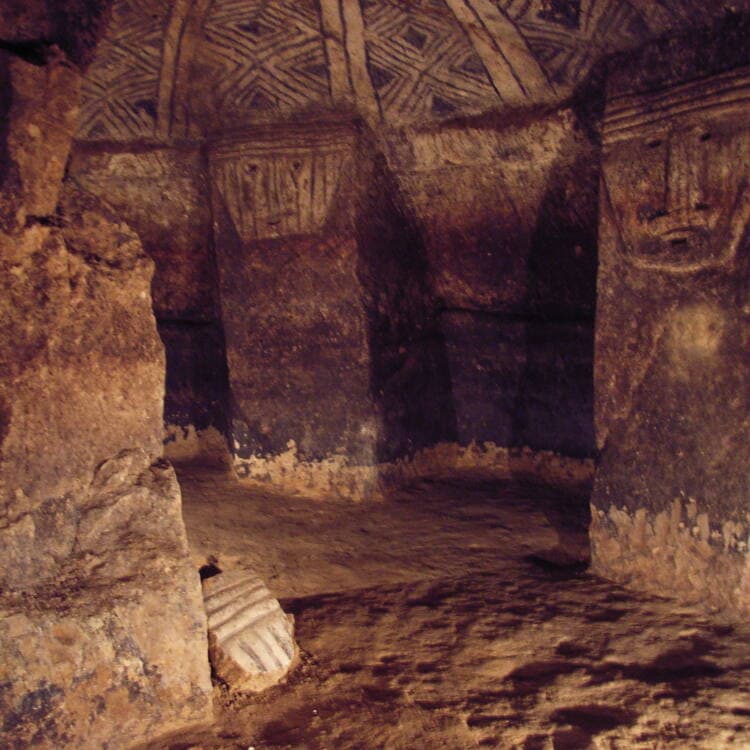
The National Archaeological Park of Tierradentro is located in the south-western of Colombia in Andean's central cordillera, in the municipality of Inzá, department of Cauca. Four areas, dispersed over a few square kilometres, make up the archaeological park: Alto de San Andrés, Alto de Segovia, Alto del Duende, El Tablón and as a site of importance but outside the park boundary the Alto del Aguacate. The park contains all known monumental shaft and chamber tombs of Tierradentro culture, the largest and most elaborate tombs of their kind. Several monumental statues of human figures can be seen in the park, which also contains many hypogea dating from the 6th to the 10th century. These huge underground tombs (some burial chambers are up to 12 m wide) are decorated with motifs that reproduce the internal decor of homes of the period. They reveal the social complexity and cultural wealth of a pre-Hispanic society in the northern Andes. The main attributes of Tierradentro hypogea are the architectural features of the tombs, including the stairs and chambers, and the internal decoration including carvings and mural paintings. Those features have retained their original characteristics. The sites were abandoned before the 13Th century AD and modern occupation gradually uncovered the tombs, many of which were opened and looted during the 18th and 19th centuries. The architecture of the tombs has been preserved in most cases and interventions have been limited to those required for protecting the carvings or paintings from further natural deterioration or in few cases for reconstruction of structural columns and stairs. The National Archaeological Park of Tierradentro was created in 1945 and declared a National Monument and National Archaeological Park in 1993. The Colombian Constitution established that the properties of the archaeological heritage (including National Archaeological Parks) are a national and inalienable property. Experience Tierradentro with Uncover Colombia, sustainable and community-based tour operators dedicated to immerse travelers into Colombian culture, connect with locals, and positively contribute to their growth.
Built for Everyone in Responsible Travel
Whether you're planning your next adventure, running a local business, or stewarding a destination, GoGood provides the tools and insights you need.
For Travelers
Find authentic, locally-rooted experiences that connect you with culture, nature, and communities. Every choice you make creates positive impact.
For Businesses
Get listed on GoGood, measure your stewardship performance, and reach travelers who value local ownership and authenticity.
For Destination Stewards
DMOs, nonprofits, and community leaders: grow regenerative tourism that benefits your place and people while reducing negative impacts.
Tourism That Creates Positive Impact
Verified Stewardship
Every destination and business is assessed through the Stewardship Scan — built on Green Destinations' Good Travel Scan and extended with our Bonus questions on local ownership and certification.
Community-Centered
We prioritize local ownership, cultural preservation, and community well-being in everything we do.
Regenerative Tourism
Go beyond "doing less harm" to actually improving the places you visit through conscious travel choices.