San Luis Valley, Colorado
Find locally-rooted places and experiences to enrich your visit and support the communities
GoGood in San Luis Valley
Choose authentic local places committed to stewardship and sustainability. Sign up to save places, plan trips, and promote your place on GoGood.
Saguache
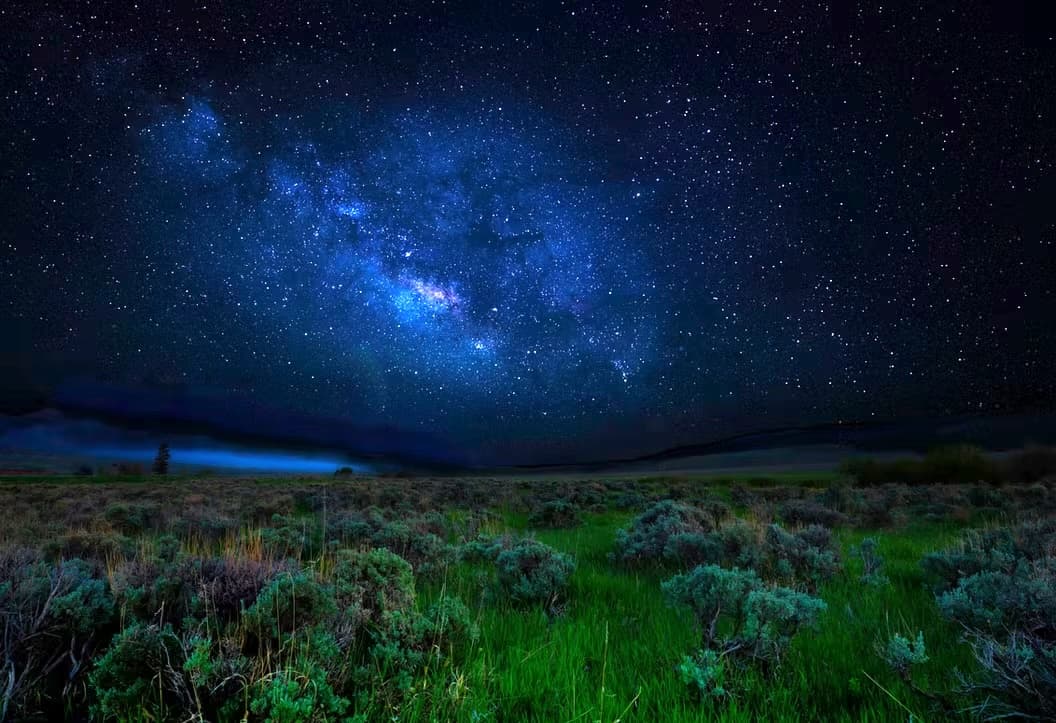
Tucked between the soaring Sangre de Cristo and San Juan Mountains, Saguache County feels like a world apart—vast, quiet, and deeply rooted in Colorado’s frontier and spiritual heritage. Its name, derived from a Ute word meaning “blue earth” or “sand dunes,” hints at the elemental beauty that defines this high-altitude landscape. Early ranchers, miners, and homesteaders carved out lives in its wide-open valley, leaving behind small towns like Saguache, Villa Grove, and Crestone, each with its own character and rhythm.
Monte Vista
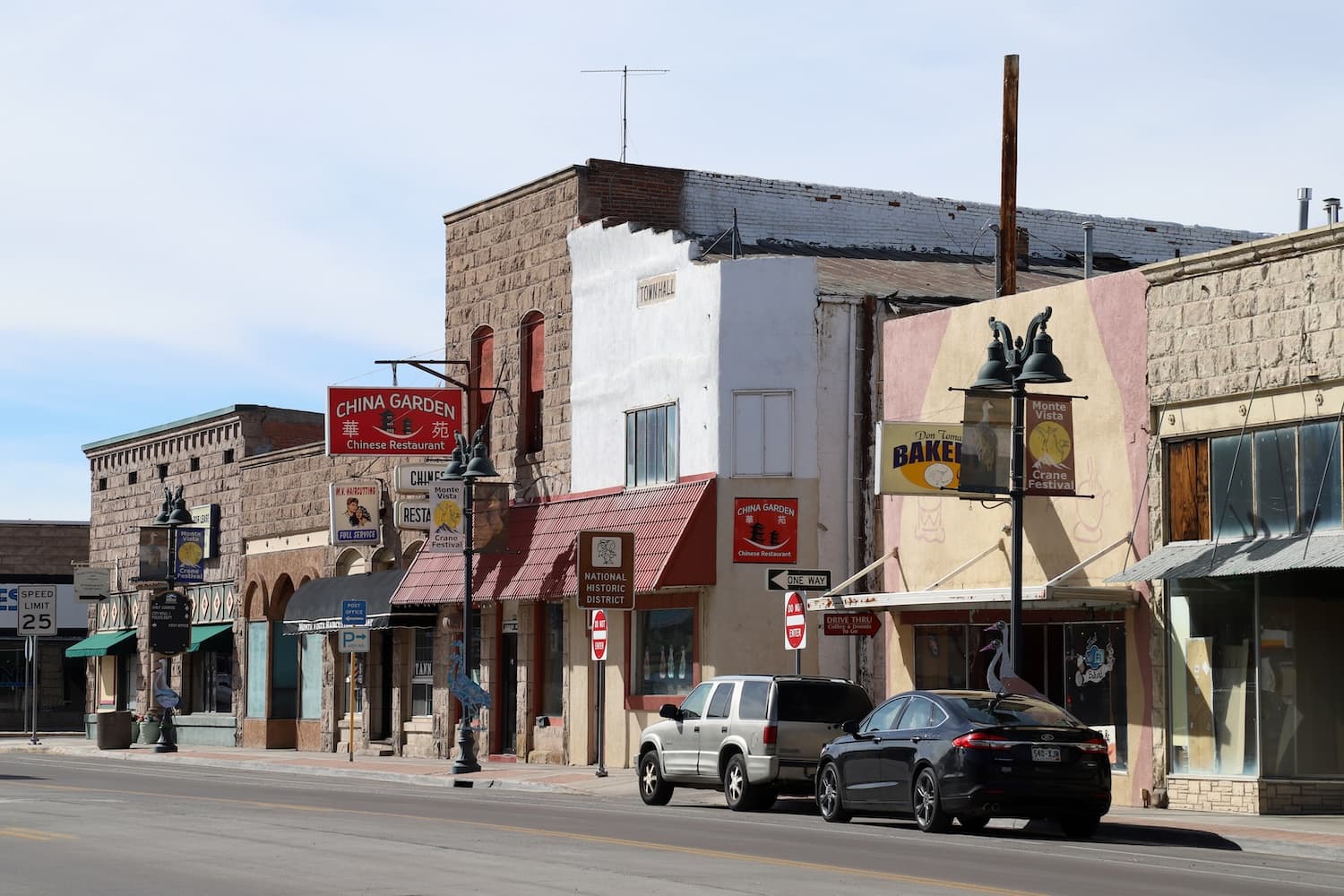
Set in a high plains valley, Monte Vista is bordered by the rugged Sangre de Cristo range to the east and the equally stunning San Juan Mountains to the west. The town’s prime location makes it an ideal jumping-off point for day trips to explore the area’s many 14,000-foot peaks — called “fourteeners” by locals — as well as the ample treasures the San Luis Valley has to offer. The farming hub raises potatoes, alfalfa and carrots, but has become famous for another agricultural product — Coors barley. The world's largest single-site brewery, Miller Coors, based in Golden, Colorado, relies on the farms around Monte Vista to produce special barley for its Rocky Mountain-style beer. Incorporated in 1886, this charming town was once a stop for the Denver & Rio Grande Western Railroad. Today, you take a historic walking tour through downtown, where the streets are lined with historical buildings and lovingly preserved architecture. Monte Vista's old-fashioned downtown offers free parking, art galleries, antique and clothing shops, and an array of dining options — from taquerias to from-scratch bakeries. Local lodging ranges from high end and eclectic to low key and traditional, with B&Bs, hotels, a retro motor lodge and nearby campsites.
Costilla County
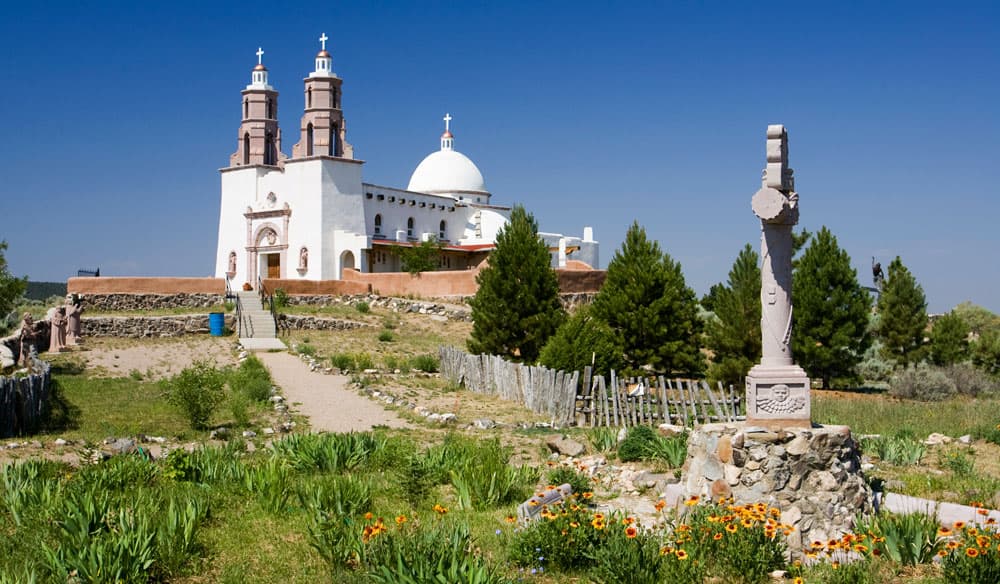
In Costilla County, the state’s oldest county, a stark, elemental landscape stretches from sagebrush flats to the jagged rise of the Sangre de Cristo Mountains. Here, high desert light sharpens every edge, and the horizon feels both expansive and intimate. Small communities like San Luis—Colorado’s oldest town—anchor a region shaped by deep Hispano roots, where land grants, family ties, and enduring traditions still define daily life. Irrigation ditches trace historic patterns across fields, while adobe structures and quiet plazas speak to centuries of continuity. At the edge of town, the Stations of the Cross shrine rises into open sky, blending faith and landscape. Life moves deliberately in Costilla County, attuned to weather, water, and wide distances—offering a rare glimpse of Colorado where history is lived, not preserved, and the land remains central to identity.
Conejos County
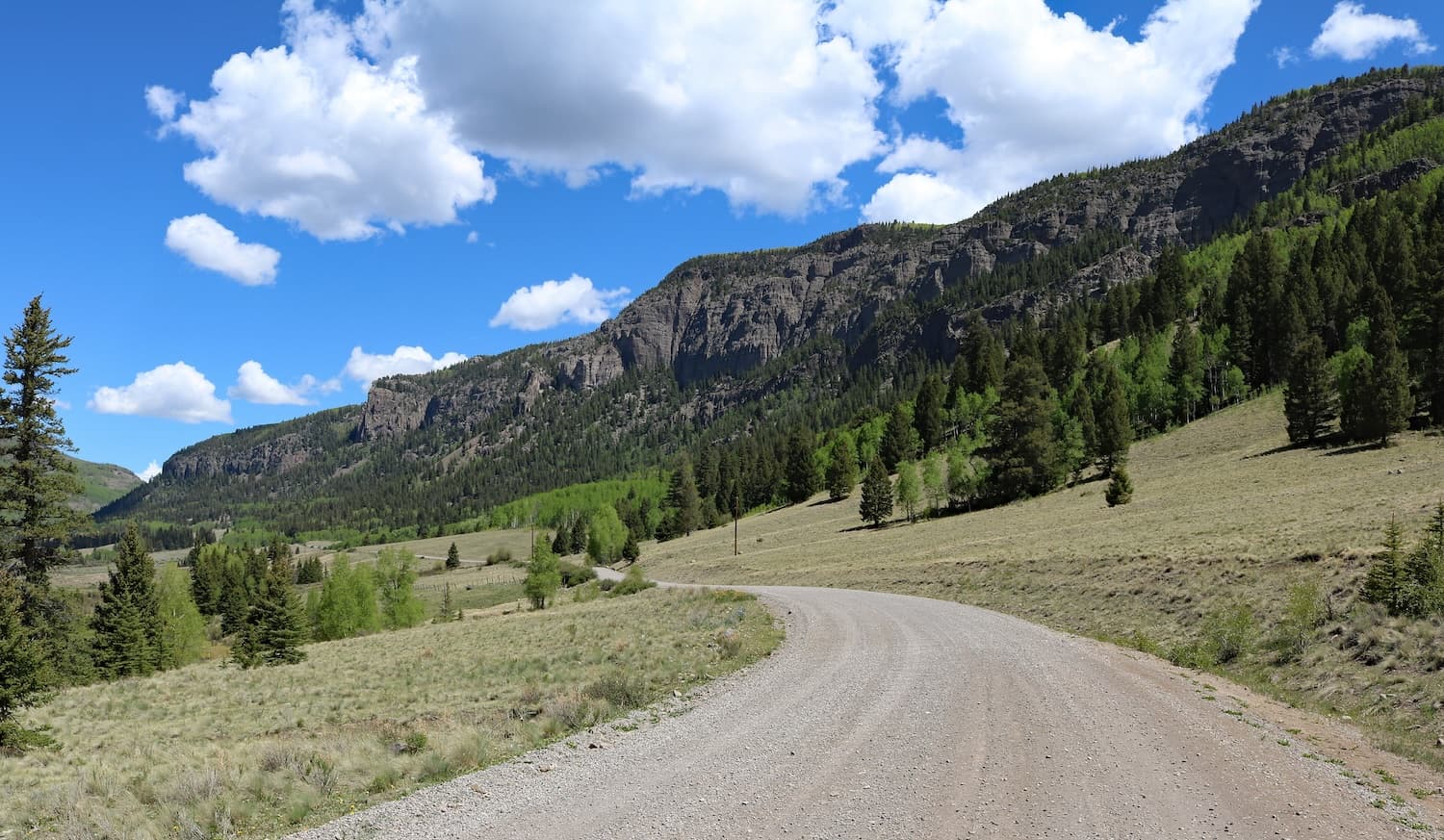
Conejos County was one of the original 17 counties created by the General Assembly of the Territory of Colorado on 1851-11-01. Its name comes from the Spanish word "conejo", meaning rabbit, for the abundance of rabbits in the area. The community of Conejos is the location of the oldest extant church house in Colorado, constructed in 1856 and named "Our Lady of Guadalupe Parish".[6] The first settlers into the area were from New Mexico, primarily from Abiquiu, San Juan de los Caballeros and Santa Cruz. More trusted information: Conejos County Tourism Conejos County Tourism Facebook Page * Sangre de Cristo National Heritage Area
Del Norte
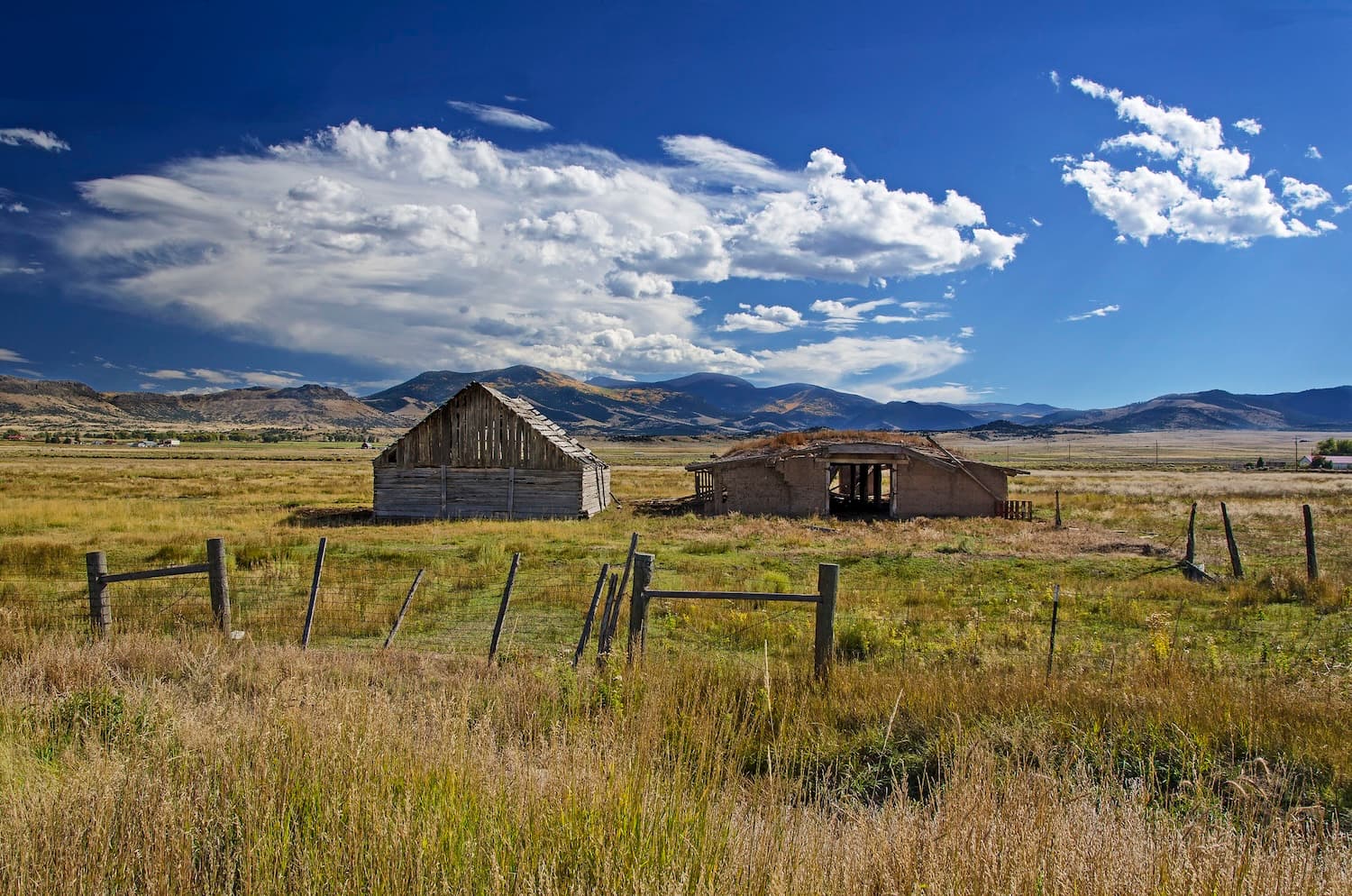
Visitors are often attracted to the natural and rugged beauty of Del Norte, as were the first Europeans to settle the area from Northern New Mexico in the late 1850’s. Beginning its history with agriculture and wool production, this area quickly changed in the late summer and fall of 1870 when gold was discovered in the Summit district. Del Norte became the county seat when Rio Grande County was formed in 1876. The late 19th and early 20th centuries were a boom-time with the town providing supplies to the San Juan mines and towns to the west. Today the mines are gone and the once rough and ready Del Norte is a town frozen in time. The shops that once supplied the mining needs of western Colorado, today provide a unique shopping experience featuring antiques, sporting goods, and fine gifts. For a glimpse into the past, visit the recently restored Windsor Hotel.
Alamosa
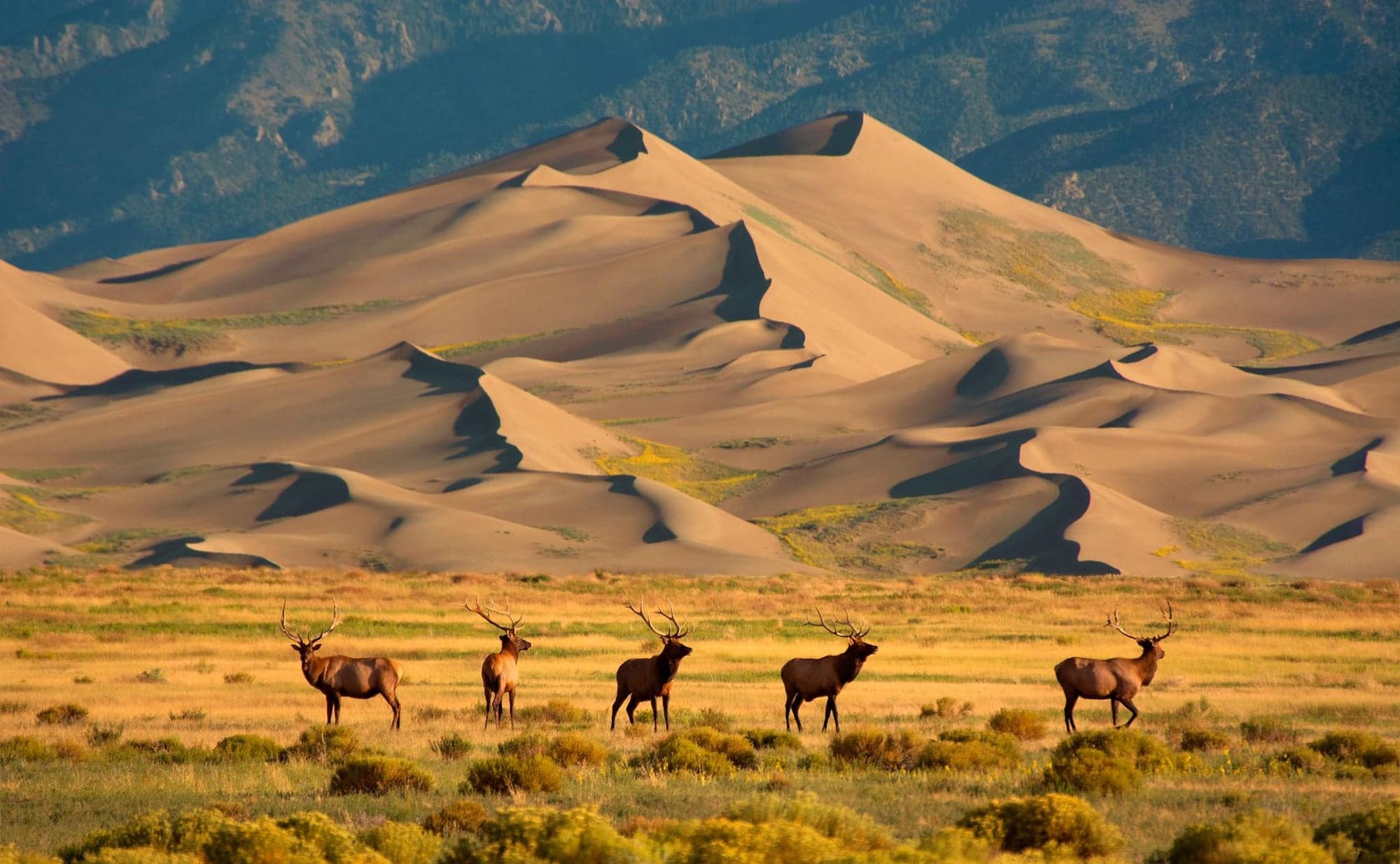
Set amid the vast San Luis Valley, Alamosa is both gateway and gathering place—a high-desert town where Colorado’s wide-open landscapes meet rich cultural traditions. Founded in 1878 as a railroad hub along the Rio Grande, Alamosa’s name, meaning “cottonwood,” evokes the riverbanks that sustain its farming communities. The town’s heritage runs deep with Hispanic, Indigenous, and Anglo influences shaping its architecture, cuisine, and community life. Today, Alamosa thrives as the cultural heart of southern Colorado, home to Adams State University, lively arts and music festivals, and easy access to Great Sand Dunes National Park. Here, history, agriculture, and adventure blend seamlessly beneath sweeping valley skies.
Crestone
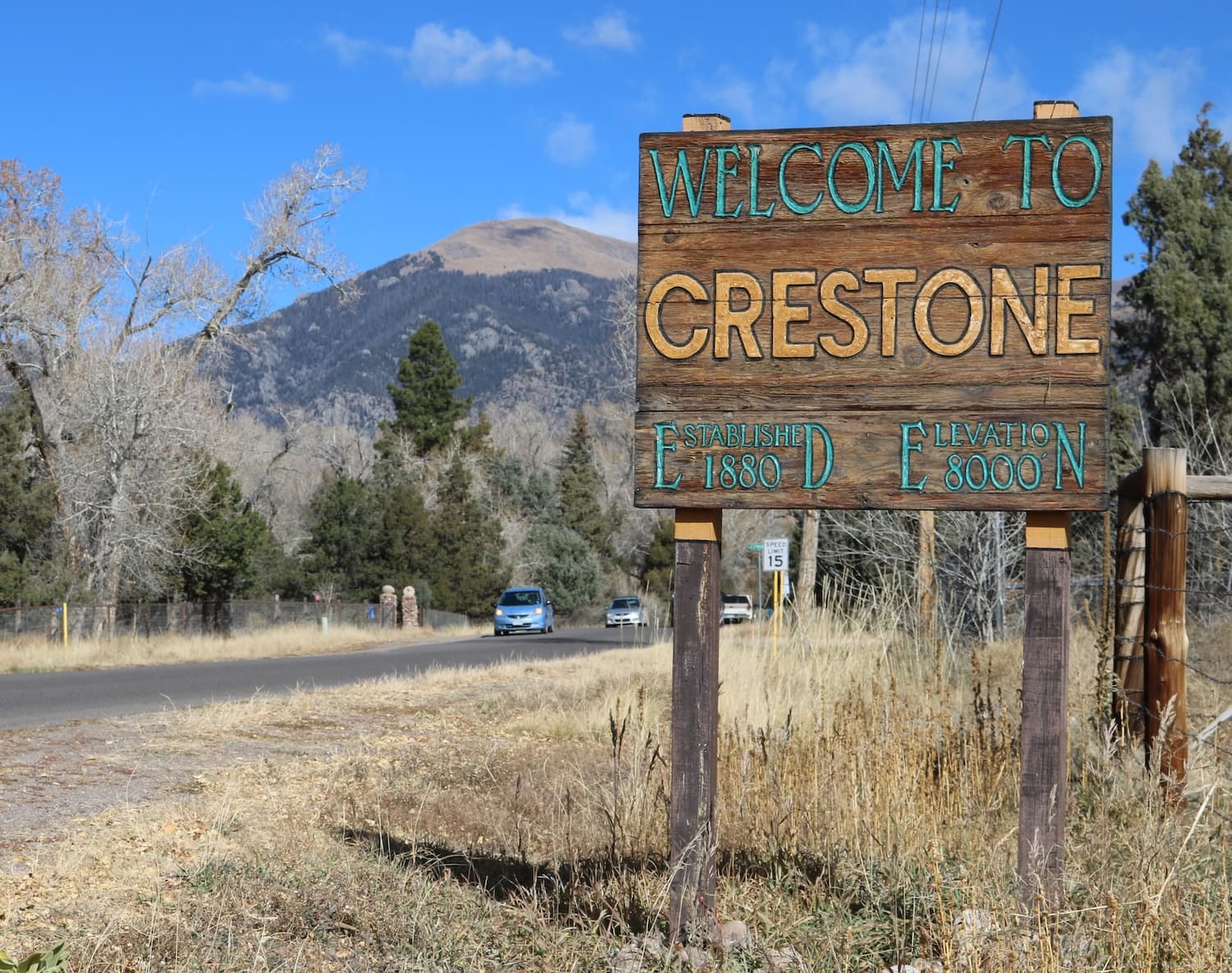
What began as a small mining town now accommodates a Hindu temple, a Zen center, a coed Carmelite monastery, several Tibetan centers and more. Crestone is home to a diverse community of New-Agers, artists and outdoor enthusiasts. Experiments in alternative architecture complement the downtown art galleries that display local works ranging from wood creations to Tibetan arts. And since there's more than the average number of bodywork specialists in town, Crestone is a wonderful place to get a massage.

Great Sand Dunes National Park and Preserve
Set against the dramatic backdrop of the Sangre de Cristo Mountains in southern Colorado, Great Sand Dunes National Park and Preserve is home to the tallest dunes in North America. With rolling dunes reaching up to 750 feet high, sprawling grasslands, alpine forests, and wetlands, it’s a landscape like no other—wild, remote, and utterly breathtaking. Beyond its natural wonders, the park is steeped in history. Indigenous peoples have revered this place for thousands of years, and its rich cultural heritage continues to shape the identity of the San Luis Valley. Today, visitors come from around the world to experience this rare convergence of desert and mountain ecosystems. Things to Do Explore the Dunes The dunes are the park’s centerpiece, inviting visitors to climb, hike, and play. Hike to High Dune or challenge yourself with the trek to Star Dune, one of the tallest in North America. Try sandboarding or sand sledding down the slopes (rentals available in nearby Mosca and Alamosa). In late spring and early summer, enjoy wading and floating in Medano Creek, a seasonal stream that flows at the base of the dunes—perfect for a refreshing splash. Indigenous Communities The San Luis Valley is ancestral land for many Indigenous peoples, including the Ute, Apache, Diné (Navajo), and others. These communities have deep spiritual connections to the dunes, mountains, and waters of the region. Cultural ties are honored through place names, oral histories, and archaeological sites throughout the park. Visitors can learn about this legacy at the Great Sand Dunes Visitor Center and through seasonal ranger programs. Culture and History Explore the park’s human history, shaped by ancient peoples, Spanish settlers, and ranching traditions. Great Sand Dunes Visitor Center: Features exhibits on geology, ecology, and cultural heritage. Historic Medano Ranch: Located within the preserve, reflecting early 20th-century ranching life. Join ranger-led programs for deeper insight into the people and forces that shaped this unique region. Nature and Outdoors The park offers much more than sand dunes—its diverse ecosystems invite exploration year-round. Hiking Trails: Mosca Pass Trail winds through lush forests with wildflowers and scenic views. Montville Nature Trail is a short, shaded walk ideal for families. Wildlife Viewing: Look for mule deer, elk, coyotes, black bears, and over 200 species of birds. Stargazing: As an International Dark Sky Park, Great Sand Dunes offers some of the best night skies in the U.S.—perfect for astrophotography and meteor showers. Food and Drink While there are no restaurants inside the park, nearby towns offer a taste of Colorado hospitality. Alamosa: Full-service dining, coffee shops, and breweries. Mosca and Hooper: Small eateries and convenience stops closer to the park entrance. Plan Your Trip When to Visit: Late May–early July: Best for experiencing Medano Creek in full flow. September–October: Crisp weather, vibrant fall colors, and fewer crowds. Winter months: Serene, snowy landscapes and stargazing opportunities, though temperatures can dip well below freezing. Getting Here: By Car: The park is located about 35 miles northeast of Alamosa, Colorado, off U.S. Highway 160 and Colorado Highway 150. By Air: The nearest major airport is Colorado Springs Airport (165 miles away); smaller airports are located in Alamosa and Pueblo. Public Transport: Limited; driving is highly recommended. Where to Stay: Piñon Flats Campground: Located inside the park, with tent and RV sites (reservations recommended). Backcountry Camping: Available with permits for a more rugged adventure. Alamosa: Hotels, motels, and vacation rentals. Mosca and Hooper: Small inns, RV parks, and campsites.
Los Caminos Antiguos Scenic and Historic Byway
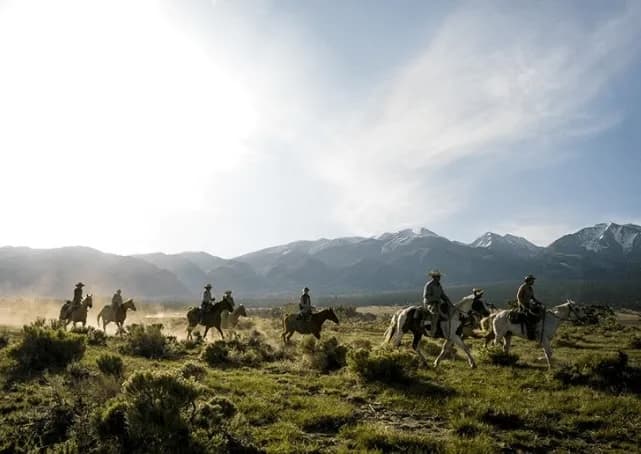
Running through the high-altitude San Luis Valley, along the base of the Sangre de Cristo Mountains, this 129-mile route connects some of the European settlements in Colorado. Meaning "The Ancient Roads," this day trip will inspire visitors with history, culture, and natural beauty. Route Overview Los Caminos Antiguos Scenic and Historic Byway will take you through the Sangre de Cristo National Heritage Area in Southcentral Colorado. This driving experience that will immerse you in vast, untouched natural beauty and inspiring narratives of native tribes, explorers, frontiersmen, buffalo soldiers, ranchers, miners, and railroad boomers. Length: Approximately 129–148 miles. Driving Time: Approx. 3–4 hours (without stops). Route: Connects CO-17, US-285, and CO-142, forming a triangle between Alamosa, Antonito, and San Luis. Highlights: Zapata Falls, Fort Garland Museum, San Luis Valley Museum, and the Stations of the Cross in San Luis. App: Utilize the TravelStorys app for a curated audio tour along the route. !Los Caminos Antiguos Scenic and Historic Byway Map Route Details The San Luis Valley is a landscape speckled in a diverse cultural richness, that dates back over 11,000 years. As you crest one of the four major road passages into the San Luis Valley, your eyes lay sight on the majestic open skies, it is as if you traveled back in time. The Great Sand Dunes along the Byway are one of nature’s most painstaking creations. Hundreds of feet high and more than a thousand miles from the nearest ocean beach, these drifting dunes accumulated over the eons as winds swept sand against the west face of the Sangre de Cristo Range. That slow, determined process reflects the spirit of the San Luis Valley – an enormous, sun-baked flat between the Sangres, and the San Juan foothills. Life here would not seem to have changed much since the 1600s, when Spain cast its claim over this region. Los Caminos Antiguos takes you to Colorado’s oldest surviving community (San Luis, 1851), its oldest parish (Our Lady of Guadalupe, in Conejos), and one of its first military posts (Fort Garland). !Our Lady of Guadalupe Catholic Church, Conejos, Colorado This Byway begs you to drive and explore our collection of roads. Los Caminos Antiguos itself means ‘The Ancient Roads.’ Along the 129-mile, 3 county route, interpretive markers and the TravelStory app tell the story of the land, the people, and the history. The byway links the four Cornerstone Communities of Alamosa, Fort Garland, San Luis, and Antonito, as well as the Great Sand Dunes National Park, the San Luis Lakes State Park, the Alamosa National Wildlife Refuge, Zapata Falls, the Medano-Zapata Ranch, the Rio Grande National Forest, the Conejos River, Culebra Creek, and the Rio Grande. Learn more about the history and heritage of the San Luis Valley: Sangre de Cristo National Heritage Area Colorado DOT Los Caminos Antiguos page Los Caminos Antiguos Facebook page Sangre de Cristo National Heritage sangreheritage.org/los-caminos 623 4th St. P.O. Box 844 Alamosa Alamosa, CO 81101 loscaminos@sdcnha.org 719-580-7366 Colorado Welcome Center at Alamosa alamosa.org/colorado-welcome-center 610 State Ave. Alamosa, CO 81101 Toll Free: 800-258-7597 Local: 719-589-4840
Built for Everyone in Responsible Travel
Whether you're planning your next adventure, running a local business, or stewarding a destination, GoGood provides the tools and insights you need.
For Travelers
Find authentic, locally-rooted experiences that connect you with culture, nature, and communities. Every choice you make creates positive impact.
For Businesses
Get listed on GoGood, measure your stewardship performance, and reach travelers who value local ownership and authenticity.
For Destination Stewards
DMOs, nonprofits, and community leaders: grow regenerative tourism that benefits your place and people while reducing negative impacts.
Tourism That Creates Positive Impact
Stewardship Commitments
Businesses self-assess with stewardship tools to understand and enhance their local impact.
Community-Centered
We prioritize local ownership, cultural preservation, and community well-being in everything we do.
Regenerative Tourism
Go beyond "doing less harm" to actually improving the places you visit through conscious travel choices.