Montana
Find locally-rooted places and experiences to enrich your visit and support the community
GoGood in Montana
Choose authentic local places committed to stewardship and sustainability. Sign up to save places, plan trips, and promote your place on GoGood.
Crown of the Continent
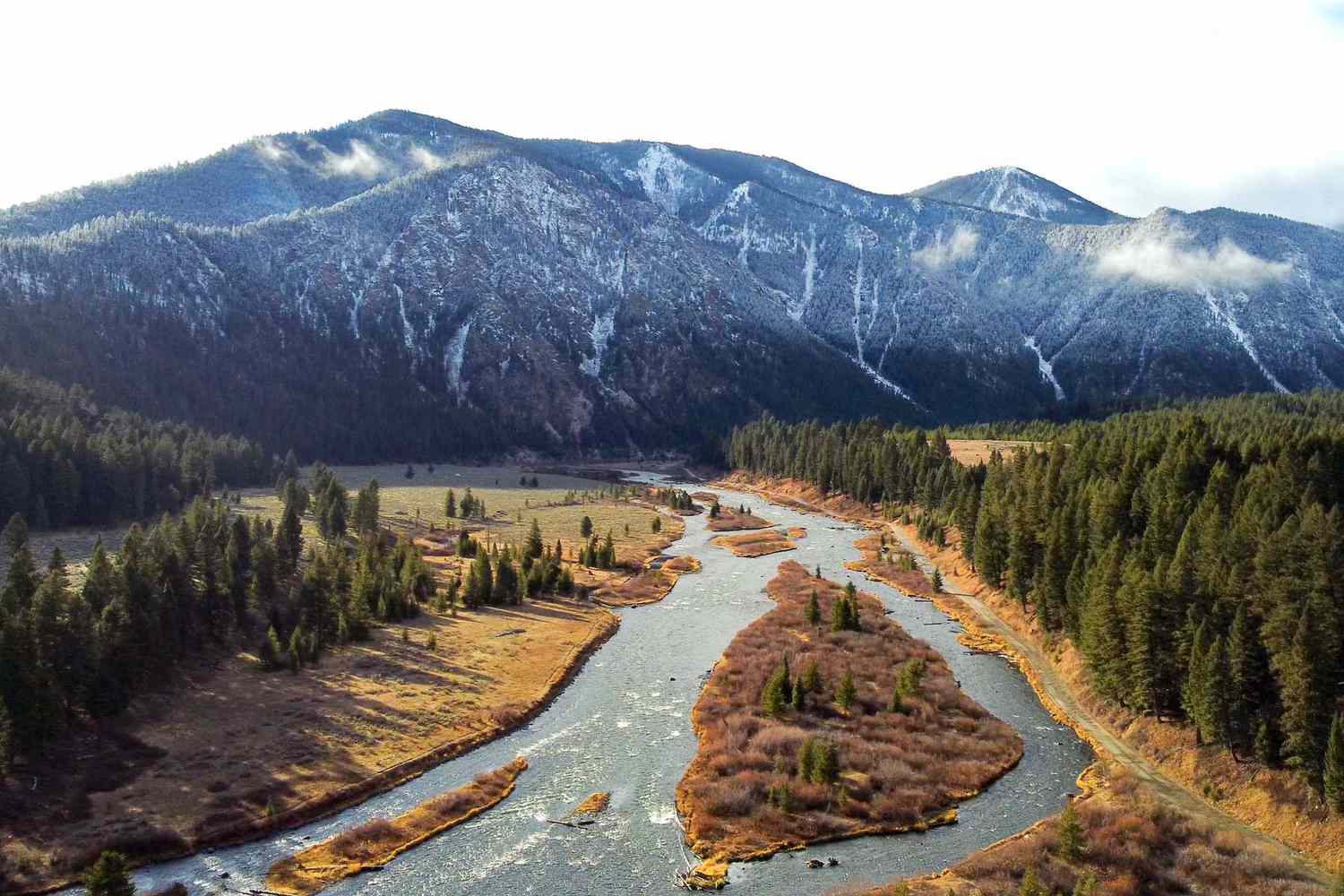
The Crown of the Continent—spanning corners of Alberta, British Columbia, and Montana—provides visitors with about 28,000 square miles - or - 73,000 square kilometres - or - more than ten million acres of spellbinding scenery and a good chance to spy bighorn sheep, mountain goats, elk, or, with luck, the monarch of the Crown — the grizzly bear. The region includes two United Nations World Heritage sites. One, Waterton-Glacier International Peace Park, protects headwaters of three continental river systems, and affirms the wisdom of transcending political boundaries in the management of shared ecosystems. The second, Alberta’s Head-Smashed-In Buffalo Jump, attests to the region’s 6,000 years of human economy derived from the diversity of the landscape and its wildlife.
Blackfeet Heritage Center & Art Gallery
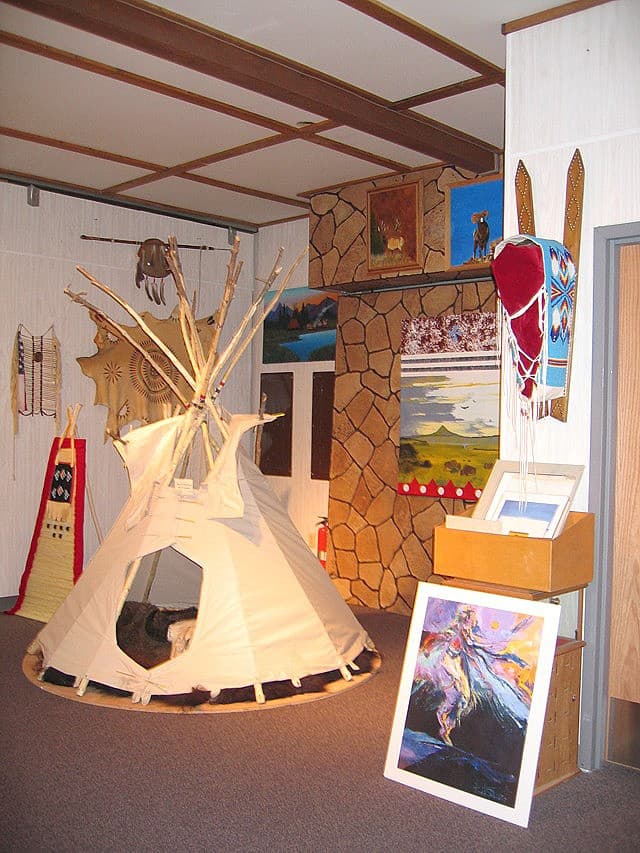
The center also features the smallest and most complete skeleton of a juvenile tyrannosaur found in North America. The dinosaur was about three years of age when it died, perhaps drowning in an ancient river 73 million years ago. The tyrannosaur was very closely related to Tyrannosaurus rex. Its blade-shaped, serrated teeth indicate that it was a flesh-eater rather than a bone crusher like adult tyrannosaurs. The Blackfeet Heritage Center & Art Gallery is open daily in the summer, is handicap accessible and admission is free. Driving Directions The Blackfeet Heritage Center & Art Gallery is located at 333 Central Avenue West in Browning, Montana.
Southeast Montana
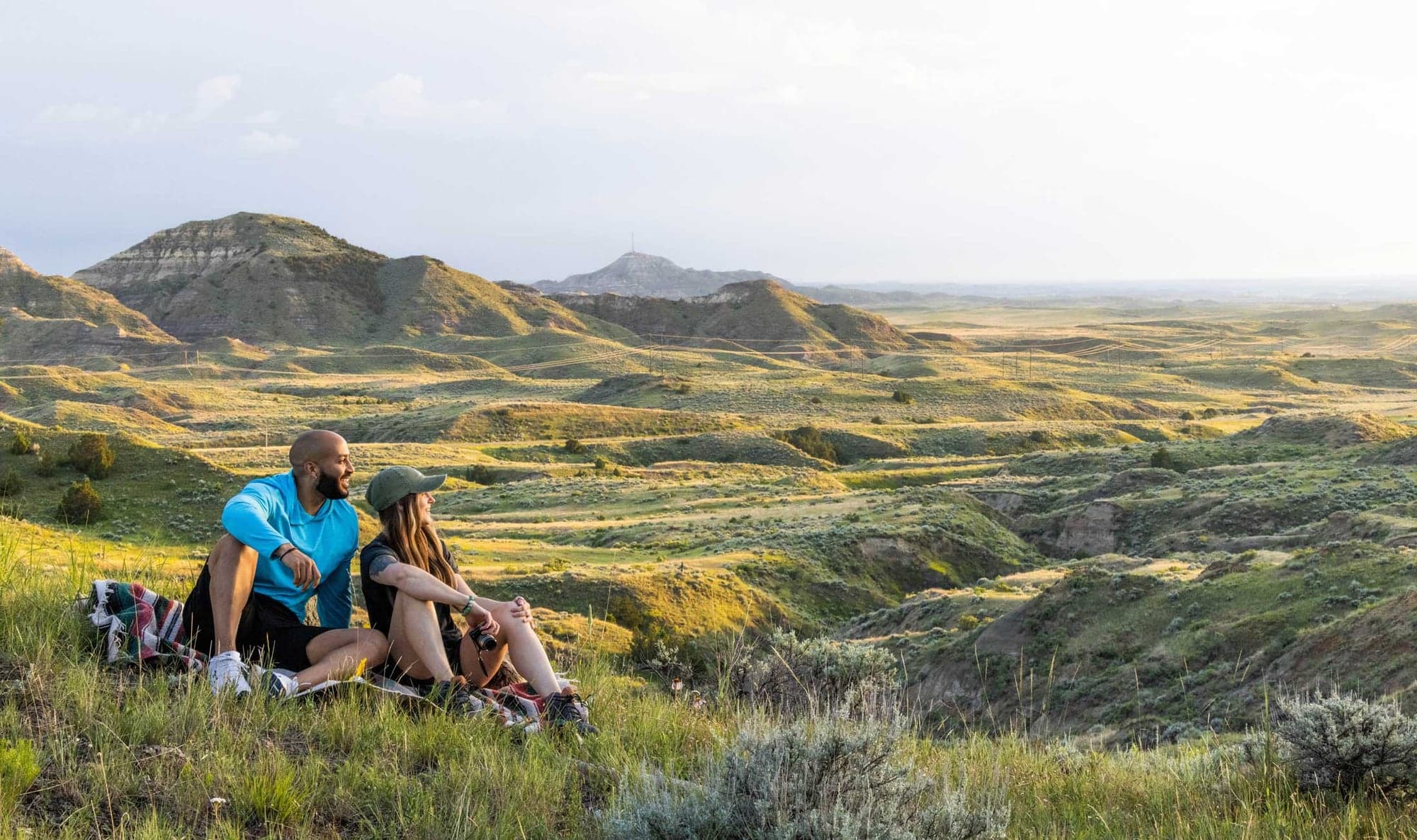
Montana's southeast corner is one of Montana’s best-kept secrets. It's rich with the history of America's last frontier in places like the Little Bighorn Battlefield, Pompey's Pillar, Makoshika State Park, and the world-famous Bucking Horse Sale in Miles City. But it's the region's friendly locals that will bring you back time and again.
Fort Peck Interpretive Center and Museum
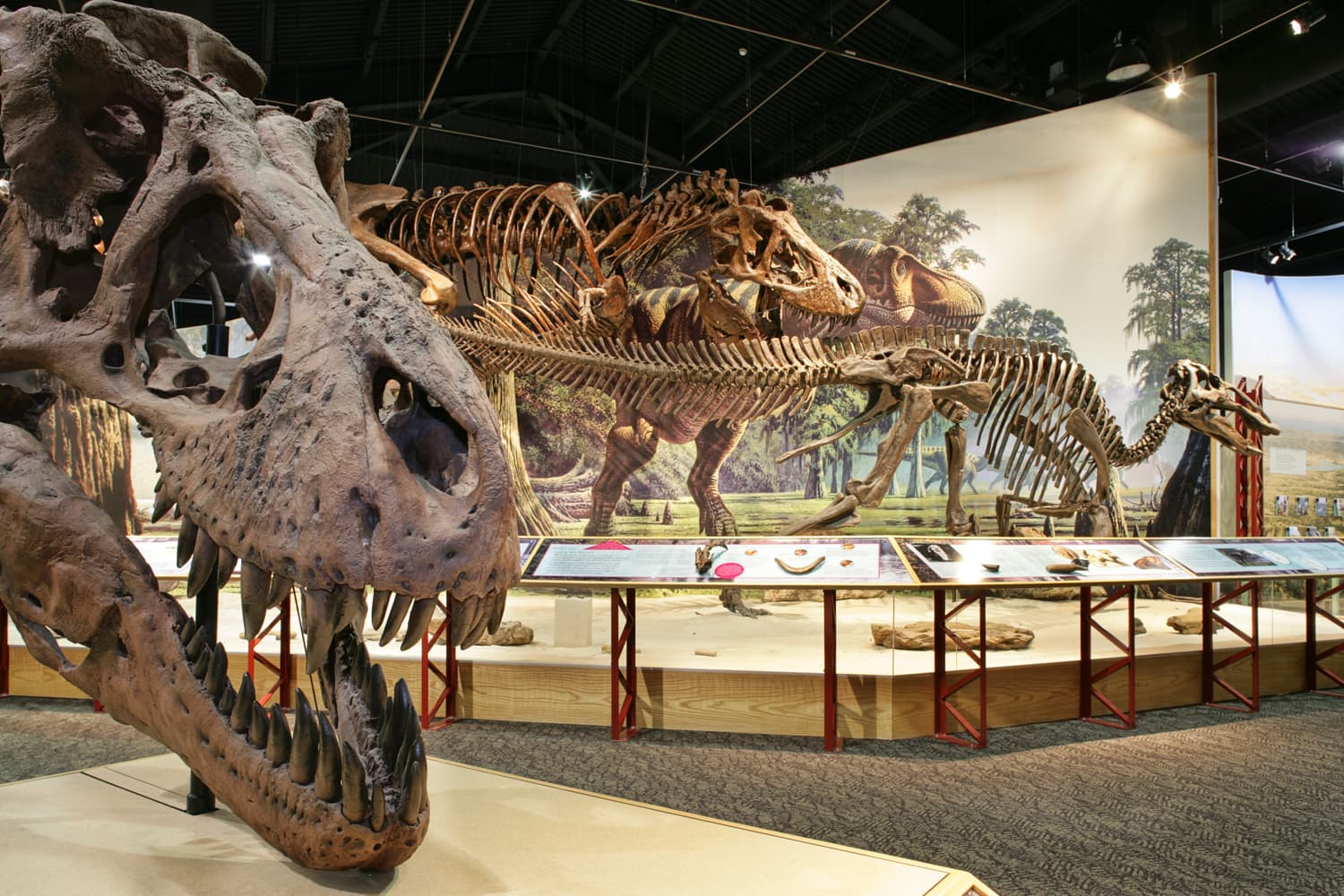
The Fort Peck Interpretive Center, a cooperative effort between the U.S. Army Corps of Engineers and the U.S. Fish and Wildlife Service, is located in the town of Fort Peck, MT. It features exhibits about wildlife, paleontology and the history and construction of the Fort Peck Dam. Visitors to the Interpretive Center are greeted by a life size model of Peck’s Rex, a nearly complete Tyrannosaurus rex discovered 20 miles southeast of Fort Peck. Other fossils on display include a Struthiomimus, an ostrich-like dinosaur that could run over 35 miles per hour, and marine reptile inhabitants of the ancient Cretaceous Sea. The Fort Peck Interpretive Center is one of fourteen stops on the Montana Dinosaur Trail. Charles M. Russell National Wildlife Refuge is home to hundreds of wildlife species. The Interpretive Center’s wildlife exhibit features a small fraction of the present-day, and historic, wildlife of the Refuge. Two large freshwater aquariums showcase native and game fish of the Fort Peck Lake and Missouri River. The history of the construction of the largest hydraulically filled dam in the United States comes to life at the Interpretive Center. Learn how the Fort Peck Dam was constructed, read firsthand accounts from workers, and explore life in the construction era boomtowns. The Interpretive Center houses a collection of photographs, tools, personal effects, and worker records of the Fort Peck Dam construction project. For archival donations, historical research requests, and other related questions please call (406) 526-3493. Visiting the Interpretive Center During the fall and winter the Interpretive Center is open Monday - Friday by appointment. Please schedule at least 24 hours in advance by calling (406) 526-3493. Can't visit us in person? Take a 3D virtual tour. During September, the Interpretive Center will be open Friday through Monday from 9 am to 4 pm.

Headframe Tasting Room
Drink in the Spirit of Butte at Headframe’s family-friendly Tasting Room, with handcrafted cocktails from Montana’s only Steel to Glass distillery in a tribute to Butte’s incredible past. Whether you’re a whiskey connoisseur, novice, adventurer or abstainer – you will always have a seat. Sit in the Tasting Room and you’ll see into our street-level distillery, where spirits science happens in front of your eyes. Kick back at the iconic 100-year-old bar and taste the award winning spirits and hospitality that is authentically Butte.
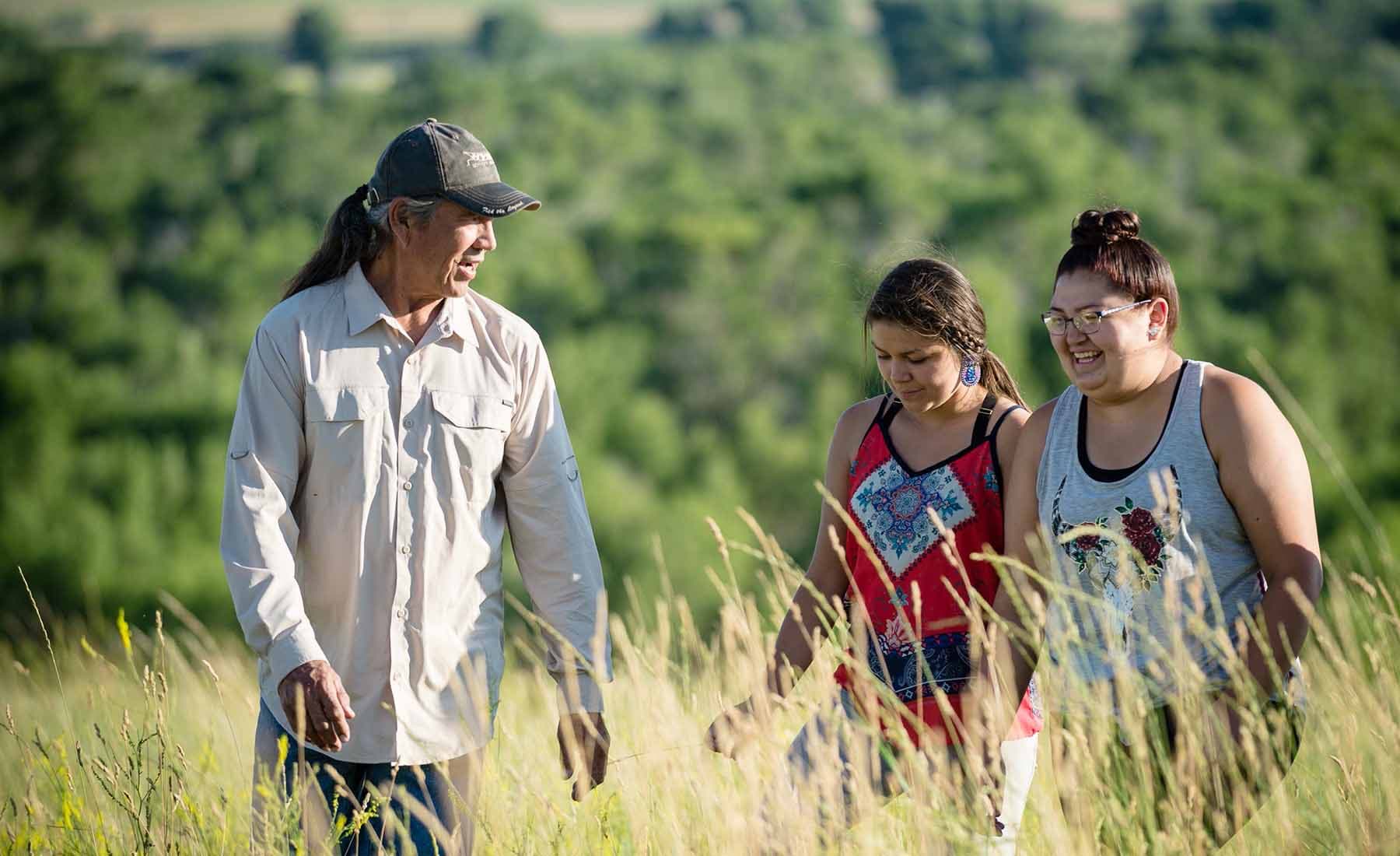
Blackfeet Tours
Blackfeet Tours provides a unique experience for clients to discover Montana’s splendor and gain insight into the Blackfeet Native American people and culture. Explore, discover, and experience Montana’s grandeur on the ancestral lands of the Blackfeet Indians. Our Mission Provide an exclusive, knowledgeable, and culturally rich experience through Native first-voice recreational and interpretive guiding while promoting wilderness ethics and protecting Montana’s natural resources. Blackfeet Tours offers high quality customer service and the top quality equipment to provide clients with premium-guided trips on private and public lands including the Badger Two Medicine area. Our Tours Blackfeet Tours located near Glacier National Park in Montana, provides an outstanding opportunity to speak to and learn from our Blackfeet Native American outfitter and guide, Alger Swingley and other Blackfeet Elders. Clarify any misunderstandings about our our Native history and where we are today, and understand the relationship of Glacier National Park and the Blackfeet Indians. You will leave our beautiful lands with a better understanding and knowledge of our Blackfeet Native people. Join us for guided educational cultural opportunities: Jeep tours on the Blackfeet Reservation Hike or horseback rides in the beautiful Badger Two Medicine and East Glacier-Badger Two Medicine, MT Interested in a group tour? Please inquire about engaging Native guest speakers who reveal and shed light on our Native history not written in the history books and learn more about the people whose contributions have become part of our Native identity. Call us at 406-450-8420 for more information. Blackfeet Outfitters and Blackfeet Tours is owned and operated by Alger Swingley, Naatoyii Miistaki Oh'kitoopii, Holy Mountain Rider, an enrolled member of the Blackfeet Tribe.
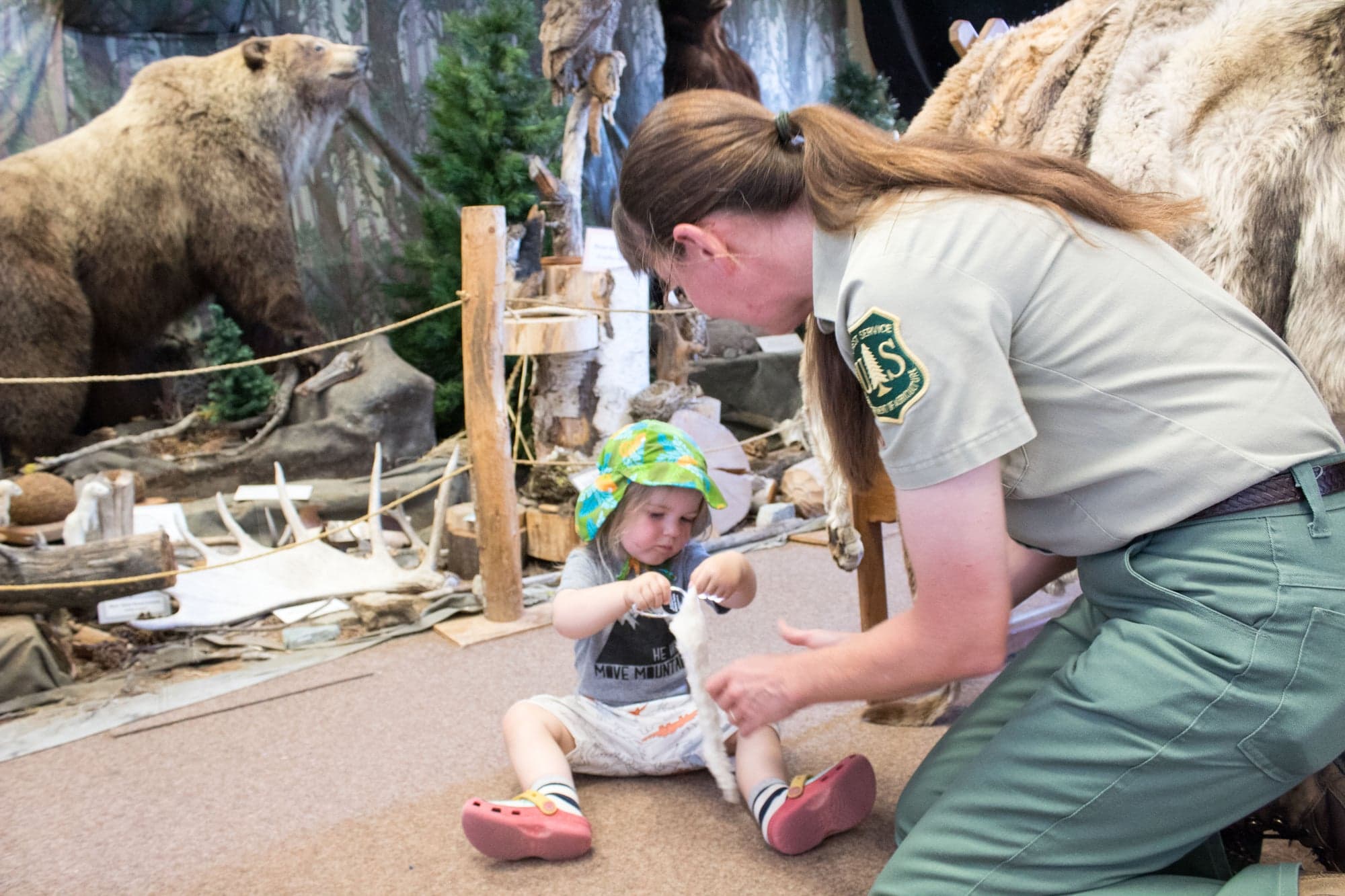
Summit Nature Center at Whitefish Mountain Resort
The Summit Nature Center sits atop Big Mountain at the Summit House. Hike the Danny On Trail, a distance of 4 miles, or take a high-speed gondola ride to the top. The summer is a wonderful time to join a 'roving ranger' at the summit and on the trail for a free discovery walk. Discovery walks are offered Thursday – Monday 11 a.m. and 3 p.m. with a limit of 10 people. Call 406-862-1972 for more information regarding naturalist-led walks. Driving Directions From Whitefish, take Wisconsin Avenue to Big Mountain Road. A 6 mile drive to the base of Whitefish Mountain Resort leads to the Danny On Trail.The trail is an uphill hike of 4 miles. Or take the chairlift to the summit. The Nature Center is located on the bottom level of the Summit House.
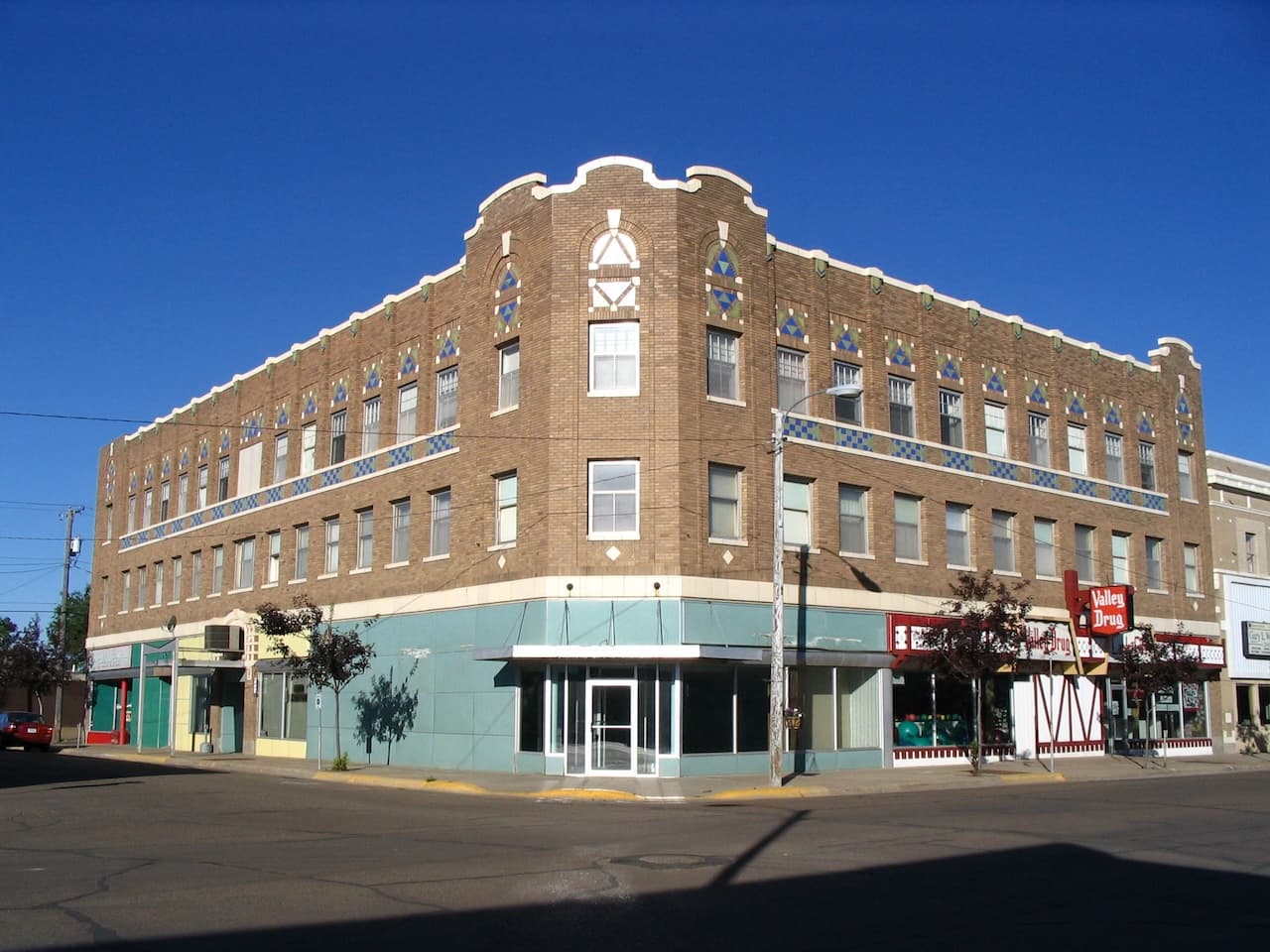
Glasgow
Tucked into Montana’s northeastern prairie and tracing the path of the Milk River, Glasgow is a charming railroad town surrounded by wide-open skies, rolling grasslands, and rich cultural heritage. Known as the "middle of nowhere" — and proud of it — Glasgow offers a warm welcome to travelers seeking a quiet gateway into Montana’s rugged frontier. Whether you’re headed to Fort Peck Lake, traveling across U.S. Highway 2, or riding Amtrak’s Empire Builder, Glasgow is a place where history, community, and the spirit of the plains come together. Things to Do Explore Fort Peck Lake and Dam Just 25 miles south of Glasgow, Fort Peck Lake is the largest body of water in Montana — a paradise for anglers, boaters, and wildlife watchers. Built during the New Deal era, the Fort Peck Dam and its interpretive center offer insight into the region’s natural and human history. Nearby trails and campgrounds make it easy to turn your visit into a full-on adventure. Indigenous Communities Glasgow lies within traditional Assiniboine and Sioux homelands. Just east of town, the Fort Peck Indian Reservation is home to the Assiniboine and Sioux Tribes. These Nations have maintained their languages, cultural traditions, and connection to the land for generations. Visitors are encouraged to learn more at tribal museums, art centers, or during cultural events like powwows in nearby towns such as Wolf Point and Poplar. Culture and History Glasgow’s roots run deep with railroads, agriculture, and prairie resilience. Valley County Pioneer Museum: Explore exhibits on homesteading, Native history, and the building of the Great Northern Railway. Downtown Glasgow: Enjoy classic Americana architecture, community murals, and friendly shops. Northeast Montana Fair: Held in August, this annual event brings rodeo, 4-H, and family fun to the heart of town. Nature and Outdoors Glasgow is a hub for outdoor lovers, offering access to the expansive plains and nearby river and lake ecosystems. Milk River Recreation: Kayak, fish, or stroll along the peaceful Milk River. Birding and Wildlife Viewing: The surrounding prairies are prime habitat for sharp-tailed grouse, deer, and migratory birds. Scenic Drives: Open highways stretch to the horizon, perfect for road-tripping through Big Sky country. Food and Drink What Glasgow lacks in size, it makes up for in comfort and hospitality. Local Eateries: Find hearty burgers, home-style breakfasts, and welcoming diners where everyone knows your name. Classic Bars and Taverns: Pop into a historic saloon for a drink and a story from the locals. Plan Your Trip When to Visit Late spring through early fall offers the best weather for exploring Fort Peck Lake, enjoying local events, and taking in golden sunsets over the plains. Winter can be quiet and starkly beautiful, though best suited for more seasoned rural travelers. Getting Here By Car: Glasgow is located along U.S. Highway 2 in northeastern Montana. By Train: Amtrak’s Empire Builder stops daily in Glasgow, with service from Chicago to Seattle. * By Air: Wokal Field – Glasgow International Airport (GGW) offers flights to Billings. Where to Stay Lodging options include locally-owned motels, inns, and nearby lakeside cabins at Fort Peck. Accommodations are limited, so book early during summer months and fair week. Glasgow Chamber of Commerce & Agriculture 313 Klein Ave Glasgow, MT 59230 +1 406 228 2222 For more travel ideas and local stories, visit Glasgow Chamber.
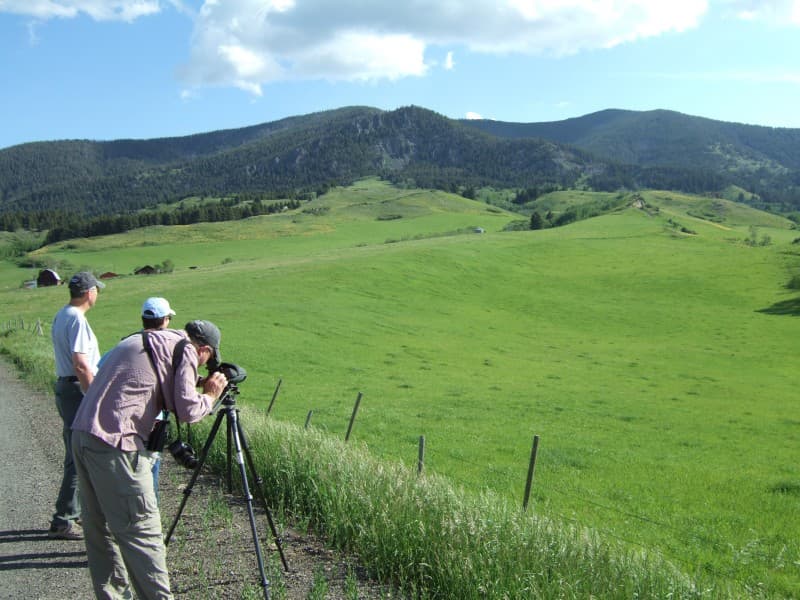
Central Montana Birding Trails
Twelve birding routes in north-central Montana offer incredible diversity in geography and bird species. Birding trails cover areas in the Rocky Mountains, grasslands, prairies, dramatic cliffs, island mountain ranges, lakes, prairie marshes, fens and rivers. Places and Pointers for Viewing In a place where fewer than 30 miles stand between the prairies and the continental divide, the Rocky Mountains truly earn their name. Dramatic cliffs provide an abundance of secure nesting sites for raptors, which feed on the nearby plains. Life zones march up to the mountains as the forests change, featuring birds from Lazuli bunting and red-naped sapsucker to Townsend's warbler and pine grosbeak. Island mountain ranges, scattered on the sea of grass to the east, add even more forested land to explore. Grasslands along the Rocky Mountain Front are some of the largest expanses of unbroken prairie in Montana, supporting outstanding populations of long-billed curlews, chestnut-collared longspurs, Sprague's pipits and ferruginous hawks. The grasslands, a mixture of private cattle ranches and public lands, are a high conservation priority. Agencies, nonprofit organizations and local citizens are working to protect this national treasure. Lakes, prairie marshes, fens and rivers all act as bird magnets in this water-limited area. The cottonwoods that grow along the rivers don't occupy much of the landscape, but they support an exceptionally high diversity of bird species. All this varied habitat creates a special place for birders who keep a life list. Birds Spotted Along Route Specialties include chestnut-collared and McCown's longspurs, sharp-tailed grouse, long-billed curlew, Sprague's pipit, Baird's sparrow, Say's phoebe, calliope hummingbird, Lazuli bunting, red-naped sapsucker, cordilleran flycatcher, Steller's jay, gray jay, Clark's nutcracker, pine grosbeak, Cassin's finch, spruce grouse, varied thrush, Townsend's solitaire, Townsend's warbler, mountain chickadee, western tanager, American three-toed woodpecker, ferruginous hawk, golden eagle, Swainson's hawk, bald eagle, prairie falcon, peregrine falcon, white-throated swift, burrowing owl, great gray owl, northern pygmy-owl, Barrow's goldeneye, eared grebe, white-faced ibis, Wilson's phalarope, yellow-headed blackbird, American avocet, black-necked stilt, Franklin's gull, black tern and gray partridge. East and West mix here, so bird watchers from both sides of the country find something new - like American dipper and rock wren for Easterners, brown thrasher, upland sandpiper, ovenbird and alder flycatcher for Westerners. Don't overlook the various owl species. You'll have a good chance of sighting burrowing owl, short-eared owl and great horned owl. Chances of finding other owls are slim, even with our information, but eastern and western screech-owl, northern pygmy-owl, long-eared owl, snowy owl, northern saw-whet owl and great gray owl are all possibilities. Best Times of the Day for Viewing Great birding exists year round although, because of winter weather, some routes are not accessible until roads are cleared of snow. April to October are the best months. Timing is important to view two bird-watching treats. Driving Directions Directions are available in the Birding Trails in Central Montana's brochure, or available online at Birding . Brochures are available at most visitor information centers or from the Central Montana office, 800-527-5348.
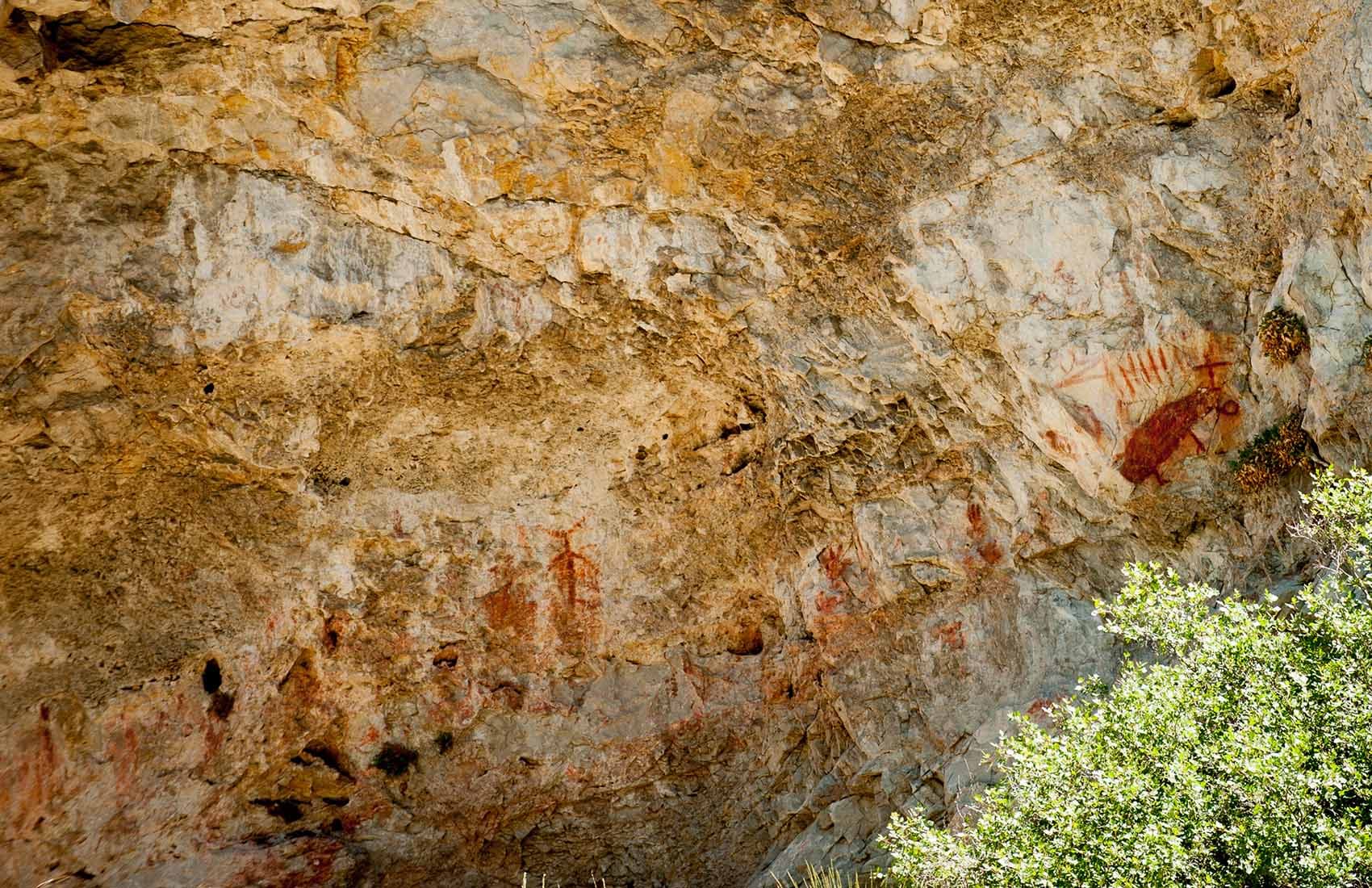
Pictograph Cave State Park
The Pictograph Cave site was designated as a National Historic Landmark in 1964, because of its archeological significance. Today's visitors can enjoy a unique opportunity to explore the mystery of this extraordinary site and tour the new visitor center. Prehistoric hunters who camped in Pictograph Cave left behind artifacts and over 100 pictographs, or rock paintings. The oldest rock art in the cave is over 2,000 years old. Their interpretations are still subject to debate. The images of animals, warriors and even rifles tell a story that has lasted thousands of years. The park's three main caves - Pictograph, Middle, and Ghost cave - were home to generations of prehistoric hunters. The caves were carved from the Eagle sandstone cliff by the forces of water and wind. The first recorded discovery of artifacts and paintings in the caves was made in 1936. The park has a pleasant 3/4 loop trail to the caves, with interpretative displays along the route identifying and explaining the natural features, the prehistoric paintings and vegetation found in the area. Pictograph Cave is the deepest of the three main caves, at approximately 160 feet wide and 45 feet deep. Visitors are advised to bring binoculars to get a better view of the rock art. Allow at least an hour to enjoy the park, it's visitor center and trail. Also an excellent site for bird watching. There are picnic facilities available for day use only, but no camping is permitted. Seasons & Hours Summer Hours: Open Daily between the third Friday in May and the third Sunday in September - Park: 9 am - 7 pm - Visitor Center: 10 am - 5 pm Winter Hours: Open Wednesday - Sunday between the third Monday in September - third Thursday in May - Park: 9 am - 5 pm - Visitor Center: 10 am - 4 pm - Closed Monday & Tuesday, and Thanksgiving, Dec. 24, 25, 31 & Jan. 1 Restrictions and Closures See a current list of Restrictions and Closures on State Parks and other FWP lands that may be affected by floods, fire, drought or major maintenance activities. Park Rules Visit the State Parks Fees & Regulations page for park rules. Fees Montana Residents - Montana residents who pay the $9 state parks fee with their annual vehicle registration have no daily entrance fees to state parks. For residents who don't include this in their vehicle registration, non-resident day use fees apply. Nonresidents - Day use entrance fee with a vehicle: $8 - Day use entrance fee as a walk-in, bicycle or bus passenger: $4 - With a Nonresident Entrance Pass: Free Volunteer Contact the park manager for open volunteer positions at Pictograph Cave State Park. For complete position descriptions, application forms, and details about Montana State Parks volunteer programs, visit the Volunteers page.
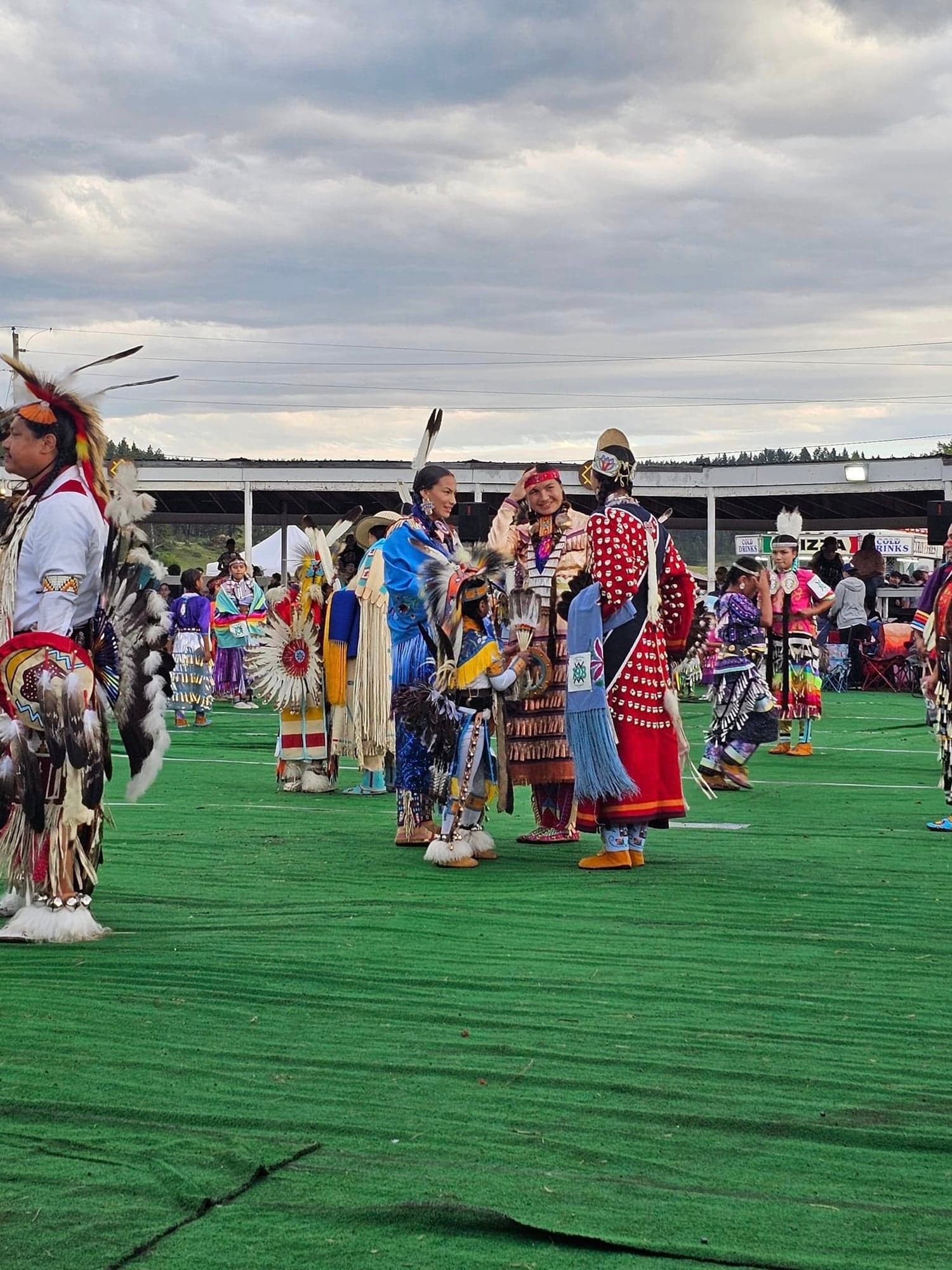
Northern Cheyenne Chief's Powwow
The Northern Cheyenne Chief's Powwow, the annual Fourth of July Celebration, is the largest pow-wow held on the reservation. Activities to observe and participate in include fun runs and health walks. The Princess Contest (all princesses welcomed), Indian dancing contests in all categories, parades, and Grand Entries welcome visitors to a brilliant display of color and traditions. Gourd dancing is held daily. Traditional feasts of Native foods are always part of the festivities, and all drum groups, dancers, singers and vendors are encouraged to attend. Campsites at the Kenneth Beartusk Pow-wow Grounds, 3 miles south of Lame Deer are available and photography is welcomed.
Built for Everyone in Responsible Travel
Whether you're planning your next adventure, running a local business, or stewarding a destination, GoGood provides the tools and insights you need.
For Travelers
Find authentic, locally-rooted experiences that connect you with culture, nature, and communities. Every choice you make creates positive impact.
For Businesses
Get listed on GoGood, measure your stewardship performance, and reach travelers who value local ownership and authenticity.
For Destination Stewards
DMOs, nonprofits, and community leaders: grow regenerative tourism that benefits your place and people while reducing negative impacts.
Tourism That Creates Positive Impact
Verified Stewardship
Every destination and business is assessed through the Stewardship Scan — built on Green Destinations' Good Travel Scan and extended with our Bonus questions on local ownership and certification.
Community-Centered
We prioritize local ownership, cultural preservation, and community well-being in everything we do.
Regenerative Tourism
Go beyond "doing less harm" to actually improving the places you visit through conscious travel choices.