Costa Rica
Find locally-rooted places and experiences to enrich your visit and support the community
GoGood in Costa Rica
Choose authentic local places committed to stewardship and sustainability. Sign up to save places, plan trips, and promote your place on GoGood.
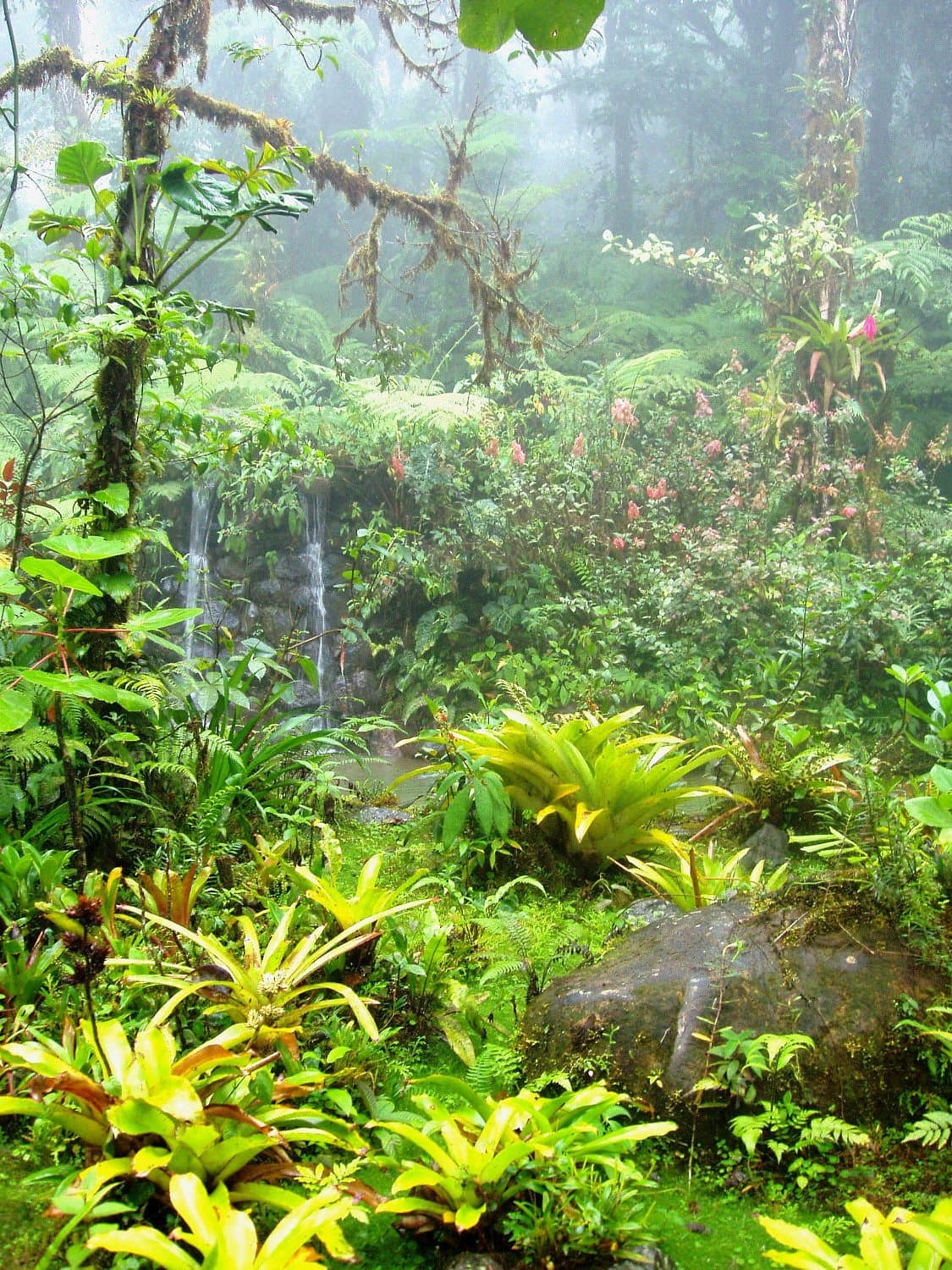
Nectandra Cloud Forest Preserve
The premontane cloud forest of this region has one the highest density of species in the world, where, as naturalist Ken Miyata described in his book titled Tropical Nature, “Rare species are common, and common species are rare.” The Garden carries out educational programs for the general public, and conducts limited scientific studies to support its educational goals. These goals are to promote understanding of neotropical cloud forests: their biodiversity, their ecology, and their importance to our future. The preserve includes two properties, separated by a highway. (See photos in Location.) The larger Nectandra Garden is located within 130 hectares of premontane mostly primary and mature secondary (≥ 35 yr) cloud forest, with luxuriant wild epiphytes — orchids, ferns, bryophytes, and heliconias. In striking contrast to the mature Nectandra Garden, the smaller property (8 ha.), designated as Persea Garden, is a rapidly regenerating native forest on a former ornamental plantation. It is dominated by the impressive pioneer trees and plants, which provide shade and wind protection for the slower emerging hardwoods. Avifauna are more active and more visible at Persea. All the proceeds from the two Gardens go to support our sister non-profit organization, the Nectandra Institute and its watershed conservation programs. The Garden is operated by Nectandra SA, a Costa Rican corporation formed to generate income for the activities and mission of its sister non-profit organization The Nectandra Institute.
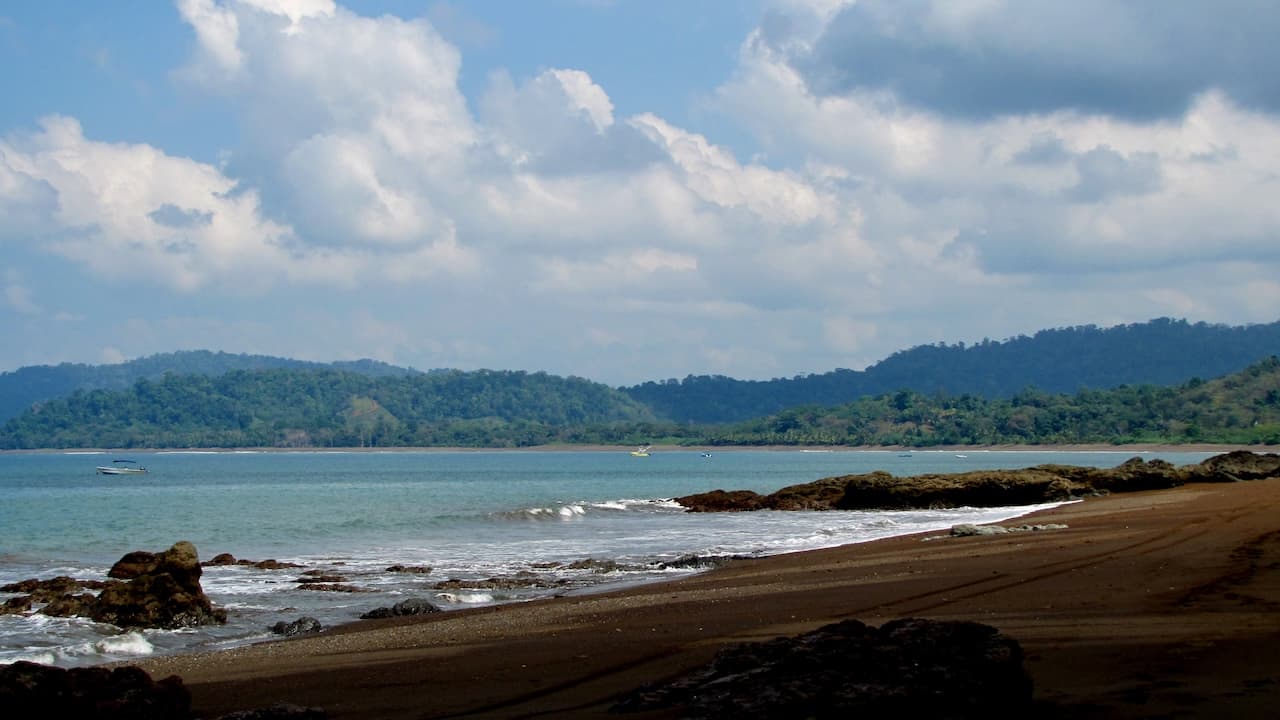
Drake Bay
Drake Bay, located on the Osa Peninsula in the southern Pacific region of Costa Rica, is a popular destination for eco-tourism and outdoor adventure activities. Visitors can take a boat into the Corcovado National Park, which is home to an abundance of wildlife, including jaguars, tapirs, monkeys, and a wide variety of bird species. There are also opportunities for whale watching, snorkeling, scuba diving, kayaking, and fishing in the waters surrounding the bay. The town is a relatively undeveloped area, with limited infrastructure and accommodations. However, there are a handful of small lodges, guesthouses, and hotels that offer comfortable and eco-friendly accommodations, as well as local restaurants that serve traditional Costa Rican cuisine. The village is accessible by boat, car and air. Overall, the town is a beautiful and peaceful destination that offers a unique opportunity to experience the natural beauty and biodiversity of the Osa Peninsula, Costa Rica. Things to Do This ares is known for its remote and untouched natural environment, which makes it a popular destination for ecotourism. Many of the tours focus on exploring the surrounding rainforest, including hikes to waterfalls, birdwatching, and wildlife tours. Drake Bay is also known for its excellent scuba diving and snorkeling, with the opportunity to explore coral reefs and encounter marine life such as dolphins, sea turtles, and colorful tropical fish. Additionally, visitors to the area can take a boat tour to Corcovado National Park, which is known for its stunning scenery and abundant wildlife. There are several tour companies that operate in and around Drake Bay, offering a wide range of tours and activities for visitors. Tourists go to the area for a variety of reasons, but many come to experience Cano Island Biological Reserve. This area has several beautiful beaches, including Playa Colorada and Playa San Josecito, which offer secluded spots to relax and swim in the warm waters. Scuba diving and snorkeling: Cano Island, located off the coast, is known for its coral reefs and marine life, making it a popular destination for scuba diving and snorkeling. Outdoor activities: The area offers a variety of outdoor activities, such as kayaking, sportfishing, hiking, and waterfall rappelling. Sustainable tourism: Many visitors come to support eco-tourism and sustainable tourism practices, which are important to preserving the area’s natural beauty and biodiversity. Culture and history: The area around the town is home to indigenous communities, such as the Boruca people, who have a rich culture and history that visitors can learn about through cultural tours and visits to local communities. Overall, tourists visit Drake Bay for its stunning natural beauty, unique wildlife, and opportunities for outdoor activities and sustainable tourism. Plan Your Visit Lodging & Rest Most accommodations are eco-friendly lodges and guesthouses that blend in with the natural surroundings and offer a more rustic experience. Some of the popular types of accommodations in town include: Eco-lodges: These are often small, family-run lodges that offer comfortable accommodations in a natural setting. They typically use sustainable practices such as solar power, rainwater collection, and composting toilets. Guesthouses: There are a number of guesthouses in Drake Bay that offer private rooms and shared facilities. These are a good option for budget-conscious travelers who don’t need luxury amenities. Glamping tents: A few lodges in Drake Bay offer luxurious glamping tents with comfortable beds, private bathrooms, and outdoor decks. This is a great option for those who want to experience the natural surroundings without sacrificing comfort. Vacation rentals: There are a handful of vacation rental homes and villas in the area that can accommodate larger groups or families. For popular accomodations, click here. Trusted Sources Osa Tourism Costa Rica Experts
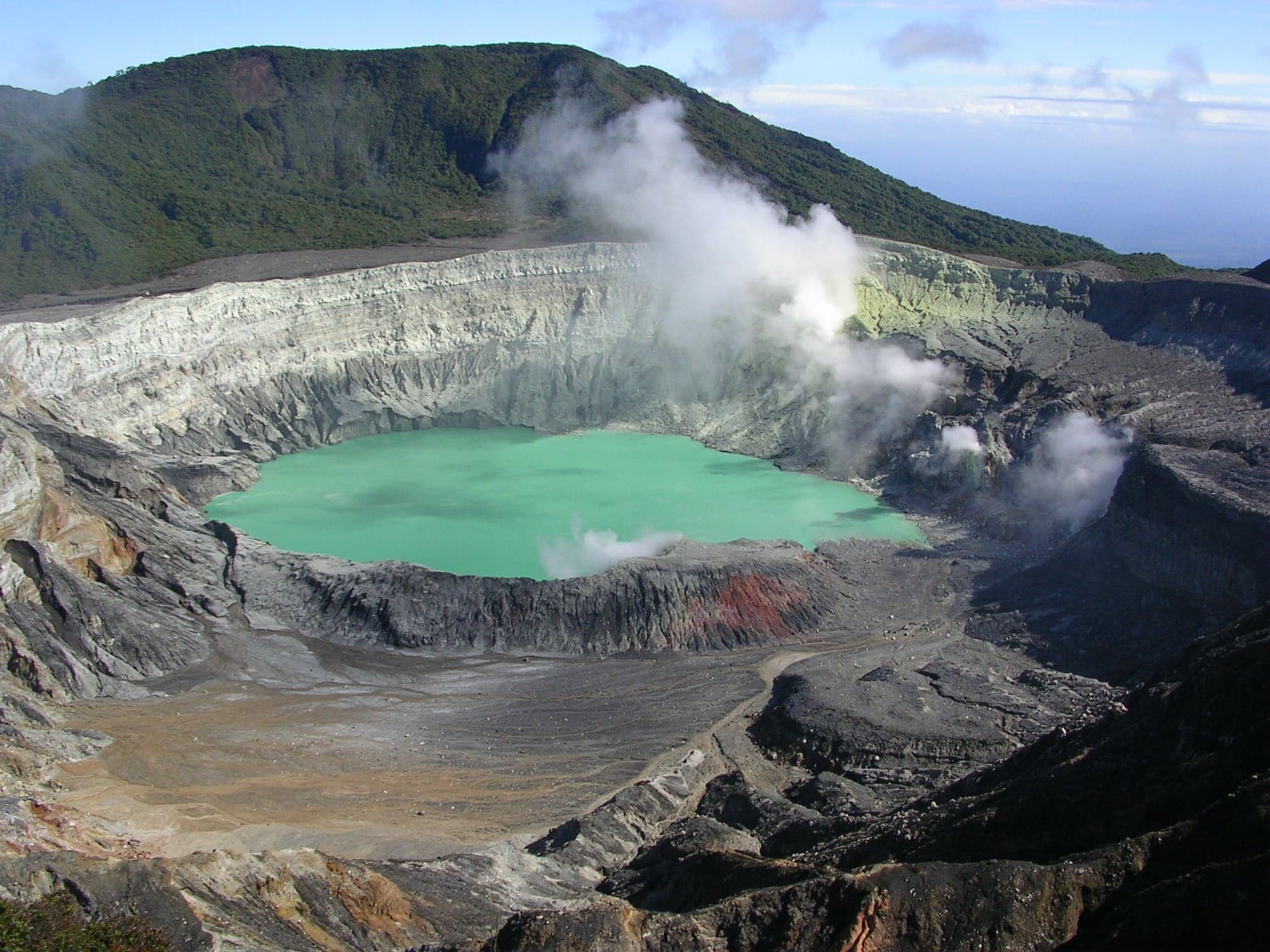
Poás Volcano National Park
Poas is a volcano that rises to 2,708 metres above sea level, since 1989 has increased markedly the emission of gases causing acid rain phenomena that have damaged the flora in some sectors of the Park and surrounding agricultural plantations to the area. At the top there are two craters, the principal of 1.5 km in diameter and 300 deep, and the Botos lagoon, cold water and source purely rain, that drain into the Caribbean by the Angel river, tributary of the Sarapiqui River. Today the volcano emits large amount of gas and water vapor from the different fumaroles that are located in the inner cone of the crater. Identified several volcanoes, the Chompipe 2259 m above sea level, the Turu 2139 metres above the level of the sea, Cerro Cacho Negro at 2250 m and the Barva which has several craters, the well-known Tres Marias at an average altitude of 1725 meters. Things to Do Main crater: It is circular shape and measures about 4330 feet (1320 m), 1049 feet (320 m) deep. Its edge is composed of pyroclastic materials such as blocks, bombs, ashes and 7540 years old lavas. It boasts a hot and acidic water lagoon with temperatures between 68 Fahrenheit (20° C) and 122 Fahrenheit (50 ° C). Von Frantzius Cone: It is located about 2952 feet (900 meters) Northside of the active crater and is partially destroyed on its southern flank. It has an irregular horseshoe shape open to the south, with small escarpments covered with vegetation. Laguna Botos: Old crater occupied by a cold lake of 1312 feet (400 m) in diameter and 46 feet (4 deep). Its bottom is half-plane and sedimented by materials of the interior walls with the contribution of organic material. (Currently closed) Birds: Typical species in the area include: tangara de monte (Cholorospingus pileatus), saltón patagrande (Pezopetes Capitalis), jungle soterrerey (Henicorhina lecophrys), zorzal piquinegro (Catharus gracilirostris) fire throated hummingbird (fiery-throated hummingbird), tan hermit hummingbird (Glaucis aenea), quetzal (Pharomachrus mocinno). Mammals: Mammals are not abundant, although coyotes (Canis latrans), weasels (Mustela frenata), rabbits (Silvilagus dicei), smelly skunks (Conepatus semistriatus) and among the most common are the Poas Squirrel (Sciurus deppei) and the nine-banded armadillo (Dasypus novemcitus). Flora: In the area of public use they can be observed plant associations related to the cloud forest, which highlight species like the poor umbrella (Sombrilla de pobre, Gunnera insignis) and encinos oak (Quercus sp.). Plan Your Visit Hours of Operation Every day from 8 a.m. to 3:30 p.m. Directions Route 1: From San José, take the highway to the city of Alajuela. From there, take Route 712 to Poasito, passing through the communities of Itiquís and Fraijanes, following the signs to the volcano. Route 2: Through Heredia, and up through Barva de Heredia–Varablanca–Poasito. Route 3: From San José, take the highway to the city of Alajuela. Then take the highway to Poás through San Juan-Sabana Redonda-Fraijanes-Poasito to the Poás Volcano. Important Considerations Comfortable clothes closed shoes for walking. On sunny days hat and sunscreen are required; in cloudy and rainy days, coats and capes. Make sure you use the booking system to enter the national park. Weather conditions at sightseeing places and trails are changing, so there is not always certain that the main attractions are going to be clear. Given the volcanic activity, please pay attention to the regulations and instructions given by park guards to protect your physical integrity in the event of an emergency. It is important to note that in Poas Volcano National Park, the following are not allowed: Being drunk in the park, consumption or use of drugs. Entering with animals or pets. Remove stones, plants or other natural resource of wilderness. Going out from trails or areas for public use. Smoking (Law No. 9028). Throw garbage. There are no trash bins in the national park. The visitors should carry the trash until they have access to a container where it can be disposed of. Trusted Sources SINAC SINAC Brouchure Costa Rica Guide
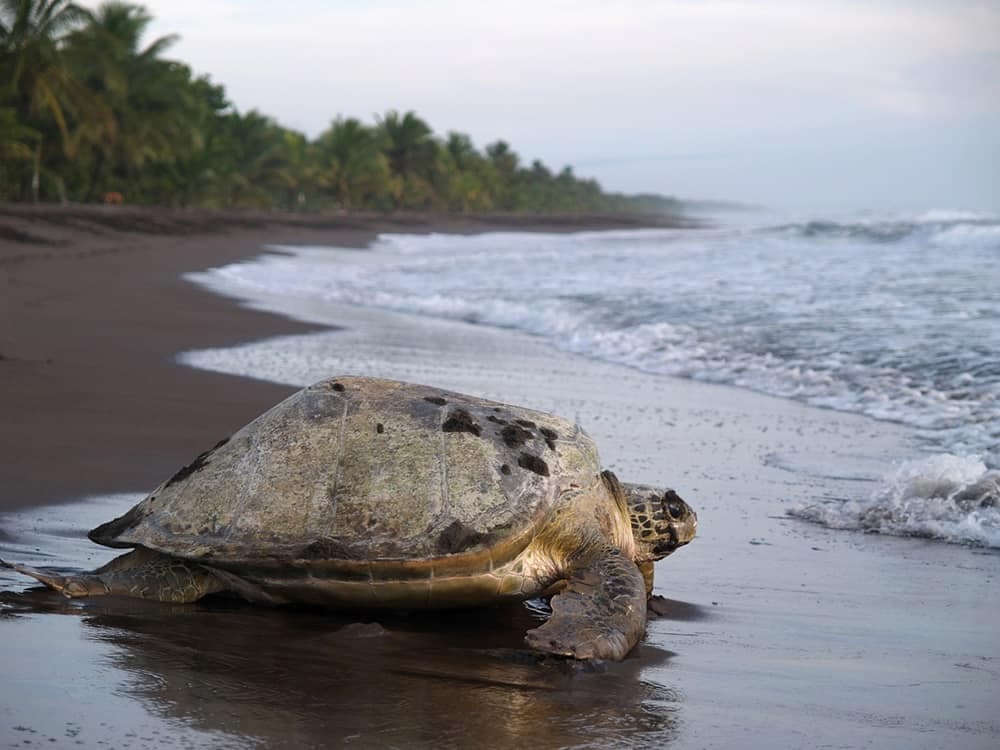
Tortuguero National Park
Tortuguero National Park (TNP) is located in northeastern Costa Rican and is one of the country’s main tourist icons, internationally recognized for its protection of the largest green turtle nesting beach in the Western Hemisphere. Far-removed from the city and composed of an extensive network of rivers and streams, access is possible only on small boats. Tortuguero National Park is a place like no other, where small communities around the protected area – such as Barra del Tortuguero and San Francisco – still retain their traditions and move around on bicycles as the only means of transportation. All of this makes a trip to Tortuguero a genuine encounter with Caribbean culture. The TNP also is a paradise for research and ecotourism, as the area’s ecosystems are so complex and diverse that visitors can expect anything during tours, from Things to Do Explore Via Boat, Kayak, or Canoe The network of canals, rivers, lagoons, beaches, and dense rainforest here are interlinked. Exploring these canals and observing the wildlife by boat, kayak, or canoe is a wonderfully relaxing and peaceful way to experience nature. Local expert guides will assist you in spotting wildlife. Turtle Nesting Season Turtle nesting times vary depending on the turtle species but are mainly between early March and mid-October. The most common of the four turtle species is the Green Turtle which is famous for its massive annual nesting from June to the middle of October. Turtle nesting walks can be arranged with a licensed guide from your lodge. The tours are led at night and are about 2 hours in duration. Cameras and lights are not permitted on the beach and guests should wear dark clothing to avoid disrupting the turtles. Birdwatching There are over 300 different bird species found here. Because there are no roads in Tortuguero, birding excursions are experienced by boat along the jungle canals. A wide variety of birds can be seen within a small area. Hawks, Falcons, Sunbitterns, Gulls, Cuckoos, Owls, and Nighthawks are just some of the bird species that can be found within the park. Plan Your Visit Directions Cuatro Esquinas Sector: On land, to Guápiles, and then to Cariari District continue to the Pavona Port on La Suerte River from there take a boat to Tortuguero. (Public and private transportation is available for the entire tour). Bus schedule Cariari-La Pavona: 6 a.m.-11 a.m.-3 p.m. / Boat Taxi Schedule: (La Pavona-Tortuguero): 7:30 a.m.-12:30 p.m.-4:30 p.m. (Tortuguero-La Pavona): 5:30 a.m.-9 a.m-11 a.m.- 2:45 p.m. Jalova Sector: On land through Siquirres to Caño Blanco from there you must take a private boat to the Jalova operational post. (Only private transportation is available.) Trusted Sources Costa Rica Experts
Arenal
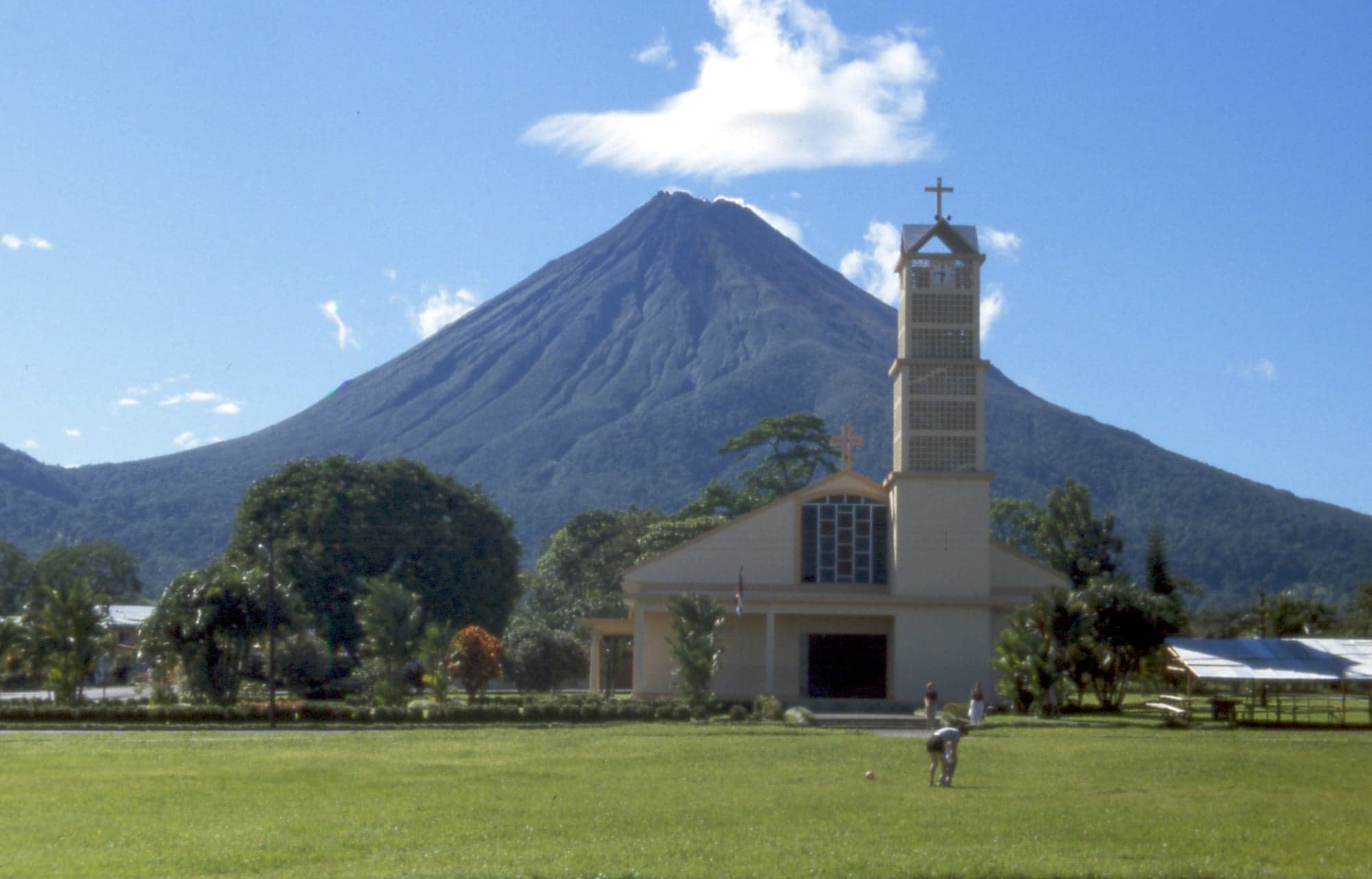
Arenal is Costa Rica’s best-known volcano. It’s a stratovolcano – a large, symmetrical volcano that’s built upon layers of ash, rock and lava – and at 5,437 feet (1,657 meters), it stands high above the rest of the countryside. Until 2010, it was Costa Rica’s most active volcano. Much to the enjoyment of its visitors, Arenal spewed enormous amounts of lava, gas and ash on a regular basis. That eruptive cycle – which began with the infamous eruption of 1968 – ended recently. In October 2010, Arenal entered into an indeterminate resting phase. For the time being, visitors will be unable to watch the much-loved explosions, although that could change within a matter of months or years. Travelers to Arenal will still enjoy its bountiful sights, sounds and activities — there are hot springs, mountains to be hiked, lakes to be fished and rivers to be floated. As one of the country’s most scenic and accessible areas, it is a requisite stop on any tour of Costa Rica. Things to Do Arenal is a place that begs to be explored; rivers wind through bountiful rainforests, waterfalls crash amidst inspiring canyons, and hot springs gurgle up beneath the base of an impressive volcano. The Arenal tours are varied and will help you to connect with this region of Costa Rica in any way you please. Plan Your Trip Getting to and around Arenal, Costa Rica is relatively easy. Fly into either Juan Santamaria International Airport (SJO) in San Jose or Liberia International Airport (LIR), and take a domestic flight, shuttle, or drive to La Fortuna, the town nearest Arenal. Alternatively, if coming from Monteverde, take a taxi-boat-taxi combination, which includes a scenic boat ride across Lake Arenal. Support the sustainable travel movement, without sacrificing your comfort. Arenal, Costa Rica hotels are privileged to be some of Costa Rica’s best hotels and resorts. Whether you prefer pedestrian friendly accommodations in the heart of town, or are in need of a getaway so remote that your closest neighbors are birds and sloths, you’re sure to find the accommodations you need from our selection of Arenal hotels. Trusted Sources Arenal.net
Casa 69
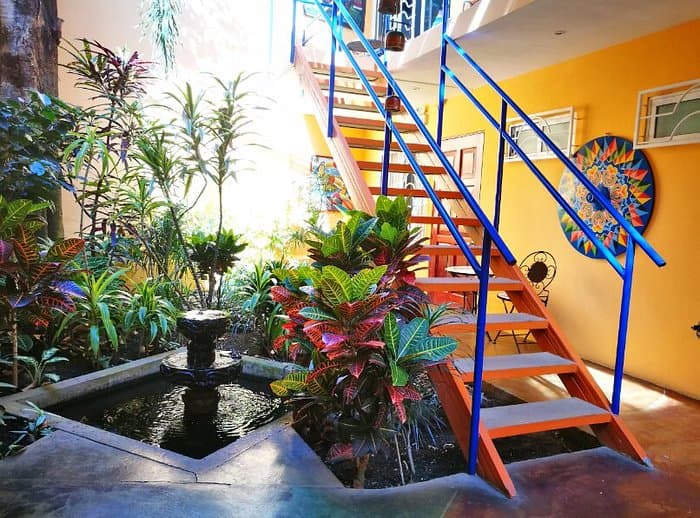
Our 1930’s home Casa 69 has become a favorite destination for business travelers and vacationers from around the world. We are a downtown hotel in a loud, busy latin city, offering a comfortable stay at a reasonable price, but we do not offer luxury. Come and experience our breathtaking rooftop views of the city and mountains, along with outstanding personal customer service. A free continental breakfast is served daily. Accomodation Junior Queen Room with sized queen bed. Smaller but still very practical. Excellent for short stay overs. Queen bed, private bath, TV, internet, fridge, safety box. Queen Room with queen bed, private bath,TV, internet, closet, safety box. Room #1 and #2 can be used as connected rooms via private hallway for larger groups. King Room with king bed. Recently redecorated and remodeled. Excellent for longer term stays. Rooms 16 & 17 are two of our finest rooms. King bed, private bath. King and Queen Room with king and queen bed. Great for groups. Recently redecorated. private bath, TV, small fridge, internet, safety box. Frequently Asked Questions
ARA Tours
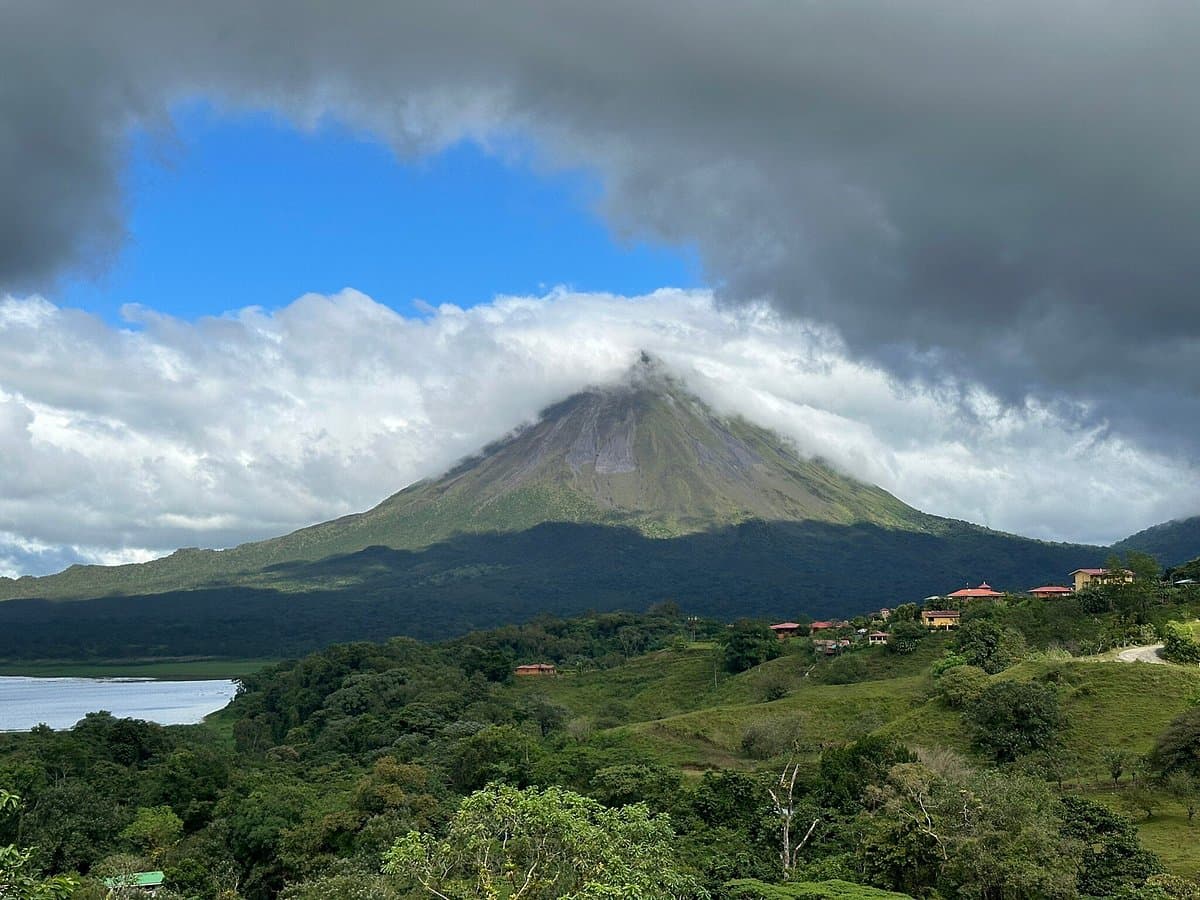
Welcome to ARA Tours! We are a travel company based in Costa Rica, specialized in unique and customized experiences for our clients. Since 1993, we have helped thousands of travelers discover the beauty and diversity of our lush nature. Our travel packages are designed to meet the needs and desires of each of our clients, and offer a wide variety of activities and destinations in Costa Rica. Whether you want to explore the biodiversity of our national parks, discover the beaches along the Pacific and Caribbean coasts, experience adventures in the mountains, or simply relax in a natural and peaceful environment, we have something for everyone. At ARA Tours, we are committed to sustainability and social responsibility. We work closely with local communities and tourism service providers to ensure that our activities have a positive impact on the environment and the people in the country. Don't wait any longer! Join us and discover the wonder of Costa Rica with our customized travel packages. Contact us today and start planning your next adventure. Our Experiences Immerse yourself in authentic Costa Rica tours with our ARA Xperiences. From the flavors of a coffee village to supporting local communities to walking to the rhythm of San José, experience unforgettable moments. Discover our tours and create lasting memories amidst the beauty of Costa Rica. Visit Costa Rica Best Travel Time The mountain ranges spanning the country from the northwest to the southeast form a barrier that divides the country into two larger climatic zones, the Pacific and the Caribbean. That’s why weather conditions on the Pacific side are usually the opposite of the Caribbean and vice versa. Independent of the climatic zones, several days of consecutive rainfall are rare. You will usually experience sunny mornings and a refreshing tropical thunderstorm in the afternoon. There is a period of less rain from December to April on the Pacific side and from August to October on the Caribbean side. From July to November is the perfect time if you want to experience three great natural wonders in Costa Rica: The observation of humpback whales on the Pacific coast, the sea turtle nesting season, and the bird migration from North America on the Caribbean side. Costa Rica’s flora literally explodes and shows its most diverse side from May to November. In our opinion, it is a pity to only lay around on the beach in Costa Rica, but if you are looking for a pure beach holiday, December to April is perfect for the Pacific side and August to October on the Caribbean side. Safety Costa Rica is a comparatively safe holiday destination. Costa Ricans are very open-minded, helpful and friendly people, making their guests feel at home right away. Nonetheless, it is important to be aware of possible safety risks. Considering some general precautionary measures, you can travel Costa Rica without problems: Expensive jewellery should be left at home, and - just like anywhere else in the world - openly displayed valuables can be a target of theft. Please use the hotel safe in your room or at reception. Do not leave any valuables on display in your rented car and only park the car in guarded, official parking areas rather than leaving it next to the road. Avoid walking at night in the cities. Armed robberies have sporadically occurred. Even though it is very rare, this risk cannot be completely excluded. Should you become the victim of such an assault, make no resistance and keep calm. Documents and material loss can be replaced. Costa Rica is located on the so-called Pacific Ring of Fire and is thus exposed to natural risks like earthquakes and volcano eruptions. The country itself and the touristic infrastructure are well-prepared for such events. Due to climate change, there is also an increasing number of floods. Should any of these occur, please pay attention to the information provided by ARA Tours or the local population. Do not hesitate if evacuation is requested. This also applies in case of a tsunami alert.
Aventuras Golfo Dulce
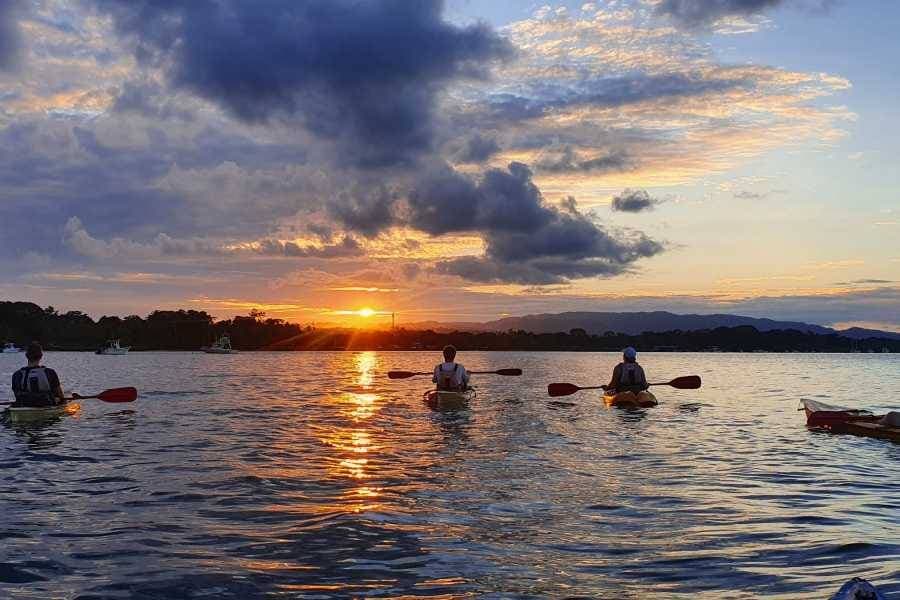
Aventuras Golfo Dulce is a family business that started in 1992, with a beautiful dream: to live and work in the natural paradise we call home, but which the world knows as Golfo Dulce. Our guides are certified according to national regulations. They have extensive experience in the field and in leading groups in the wild. Our professional guides have grown up and lived in touch with nature, complementing their academic knowledge with empirical experience and the vibrant Costa Rican culture. Our business, our children, and our family have all grown since then. These 33 years haven't been easy, but they've been worth it. Over time, in 2007, we obtained certification from the ICT to operate adventure tours. In 2016, we were awarded the highest rank of sustainable tourism certification. In 2020, we opened Aventuras Cafe. Throughout this journey, we've never stopped learning, and we live with the conviction of sharing our blessings with the world every day. At Aventuras Golfo Dulce, we continue to work to operate all our activities according to national and international standards. We consider environmental education a fundamental way to fight for the preservation of the world for future generations. Our tours include environmental education because we believe that by gaining a deeper understanding of the nature our visitors see, we encourage them to commit to preserving the paradise that offers them its beauty and peace. With a lifetime of experience living in the tropics, our goal is to share with you our "Tico" heart and our deep love for the Osa Peninsula while we take you on an unforgettable adventure.
Built for Everyone in Responsible Travel
Whether you're planning your next adventure, running a local business, or stewarding a destination, GoGood provides the tools and insights you need.
For Travelers
Find authentic, locally-rooted experiences that connect you with culture, nature, and communities. Every choice you make creates positive impact.
For Businesses
Get listed on GoGood, measure your stewardship performance, and reach travelers who value local ownership and authenticity.
For Destination Stewards
DMOs, nonprofits, and community leaders: grow regenerative tourism that benefits your place and people while reducing negative impacts.
Tourism That Creates Positive Impact
Verified Stewardship
Every destination and business is assessed through the Stewardship Scan — built on Green Destinations' Good Travel Scan and extended with our Bonus questions on local ownership and certification.
Community-Centered
We prioritize local ownership, cultural preservation, and community well-being in everything we do.
Regenerative Tourism
Go beyond "doing less harm" to actually improving the places you visit through conscious travel choices.