The Bahamas
Find locally-rooted places and experiences to enrich your visit and support the community
GoGood in The Bahamas
Choose authentic local places committed to stewardship and sustainability. Sign up to save places, plan trips, and promote your place on GoGood.
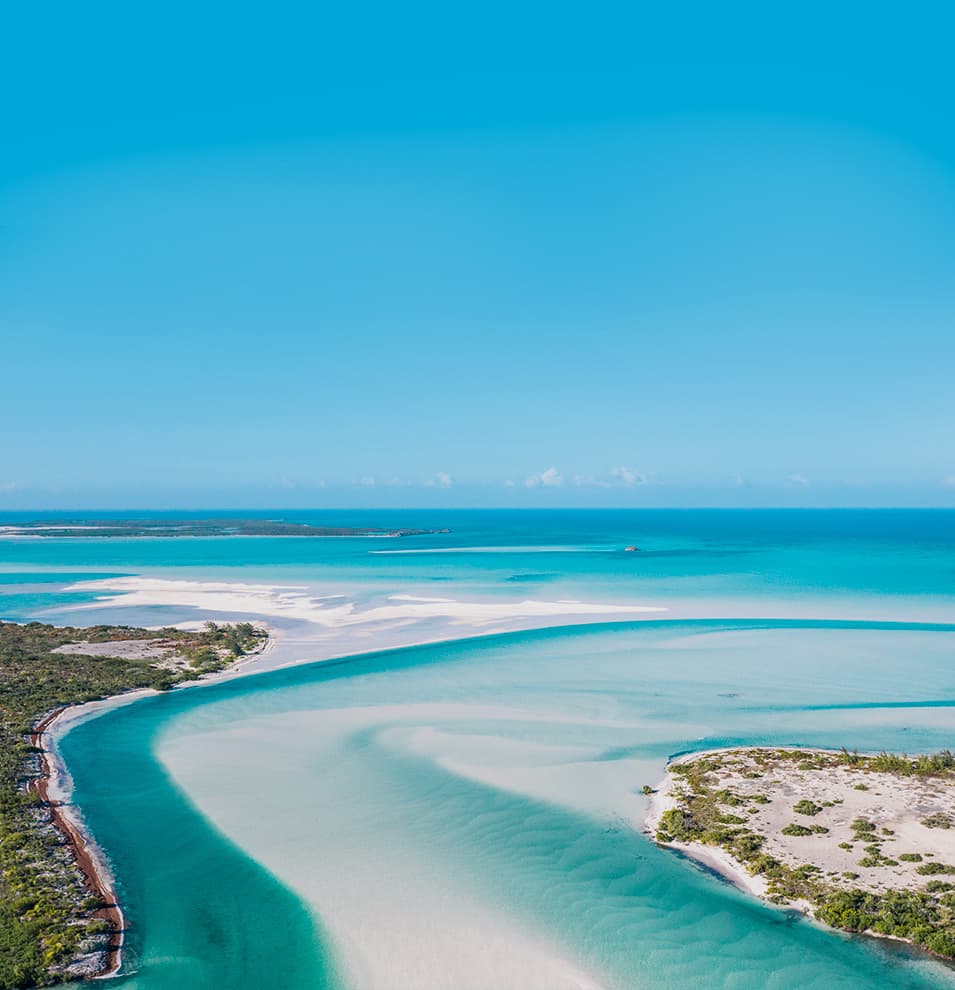
Acklins & Crooked Island
For travelers craving an adventure filled with raw natural beauty, rich history, and authentic island culture, Acklins and Crooked Island offer a serene and unforgettable escape. Nestled in the southern Bahamas, these sister islands are renowned for world-class snorkeling, scuba diving, and fishing, with vibrant coral reefs, clear turquoise waters, and unspoiled coastlines. Here, the pace of life is slow, the scenery is stunning, and nature thrives in its purest form. Whether you’re exploring ancient ruins, walking along quiet beaches, or watching flamingos wade through shimmering lagoons, Acklins and Crooked Island invite you to disconnect from the modern world and reconnect with nature. --- When & How to Visit - Best time: December to May (dry, breezy, and ideal for outdoor activities). - Getting there: Domestic flights from Nassau to Spring Point (Acklins) or Colonel Hill (Crooked Island). - There is limited flight availability going to and from Acklins and Crooked Island so plan ahead. --- Highlights of the Islands - Crooked Island: - Pitt’s Town – Site of the first post office in The Bahamas. - Long Cay (Fortune Island) – Ruins of the first Bahamian jail. - Small settlements like Colonel Hill and Cabbage Hill. - Acklins: - Spring Point – Visit the unique Outside Kitchen stone ruin. - Quiet towns: Delectable Bay, Snug Corner, and Lovely Bay. - Castle Island Lighthouse (built in 1867) at the southern tip. --- General Information & Visitor Tips - Weather: Tropical year-round; summer is hotter with higher chance of storms. - Etiquette: Greet locals, dress relatively modestly in towns, ask before taking photos. - Connectivity: Limited Wi-Fi/cell coverage—perfect for a digital detox. - Getting around: Rental cars may be limited; local transport is informal, ask about the best transport options at your hotel. --- --- Acklins and Crooked Island are quiet, beautiful, and deeply connected to nature and history. With friendly locals, pristine waters, and unspoiled landscapes, it’s the perfect destination for travelers who want something real, raw, and restorative.
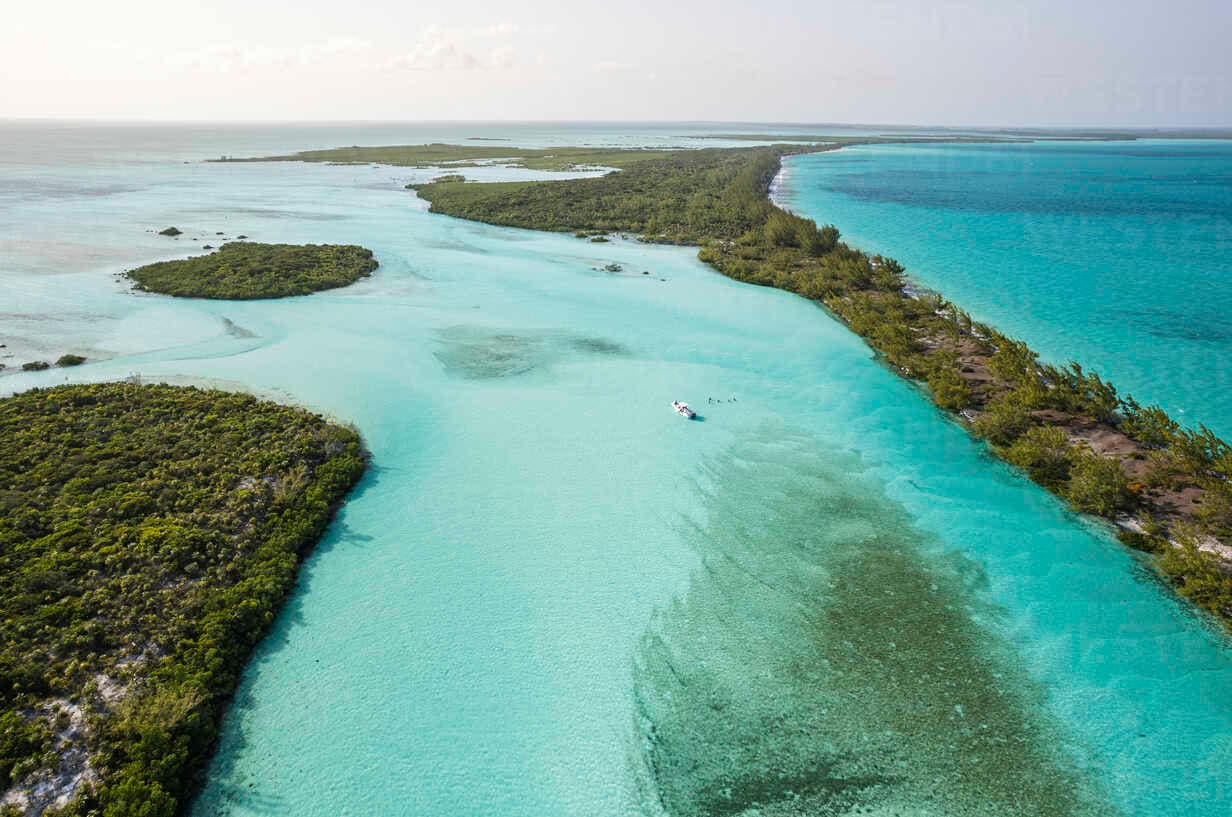
The Berry Islands
Tucked away in the northwest Bahamas, The Berry Islands are a chain of over 30 cays known for their secluded beauty, rich marine life, and authentic island charm. With a population of just around 700 residents—mostly on Great Harbour Cay—the islands offer a peaceful escape with opportunities for adventure, relaxation, and cultural immersion. While many cays are privately owned, visitors can still explore stunning beaches, world-class fishing grounds, and underwater wonders that make this a hidden gem in the Bahamas. --- When & How to Visit - Best Time: December to April for dry, sunny weather; you can also visit May through November but it is warmer and more humid, with higher chances of rain. - Getting There: Flights from Nassau or Fort Lauderdale to Great Harbour Cay Airport or Chub Cay International Airport. You can also take ferries from Nassau. - Local Transport: Golf carts and bicycles are the main modes of getting around on the cays. --- Highlights of the Islands - Chub Cay: Nicknamed “The Billfish Capital of The Bahamas,” popular for deep-sea fishing, especially for tuna, marlin, and wahoo. - Chub Cay Wall: Premier dive site along the Tongue of the Ocean with vibrant marine life and dramatic underwater drop-offs. - Hoffman’s Cay Blue Hole: A natural sinkhole surrounded by cliffs—great for cliff jumping and swimming. - Great Harbour Cay: Known for its sweeping beaches, local restaurants, and relaxed pace. - Great Stirrup Cay Lighthouse: Historic lighthouse with panoramic views, perfect for day excursions. - Abandoned Cays: Explore uninhabited islands with empty beaches and serene wildlife. - Local Churches & Culture: Discover colonial-era churches and traditional Bahamian hospitality. --- General Information & Visitor Tips - Weather: Warm year-round, with temperatures averaging 75–88°F (24–31°C); hurricane season runs from June to November. - Currency: Bahamian Dollar (BSD); USD widely accepted. Bring cash, some businesses may not accept cards. - Cultural Respect: Dress relatively modest when away from beaches; greet locals with friendliness and respect the quiet island lifestyle. - Etiquette: Many cays are private—always seek permission before docking or exploring. Take only photos, leave only footprints. - Connectivity: Limited in some areas; expect slower Wi-Fi and spotty cell service on remote cays. --- --- The Berry Islands are an ideal destination for travelers seeking tranquil beaches, incredible fishing and diving, and a Bahamian atmosphere. With easy access from Nassau or Florida, these islands offer both adventure and serenity across their pristine, scattered cays. By traveling responsibly and engaging with the local community, visitors help preserve the charm and ecology that make The Berry Islands so special.
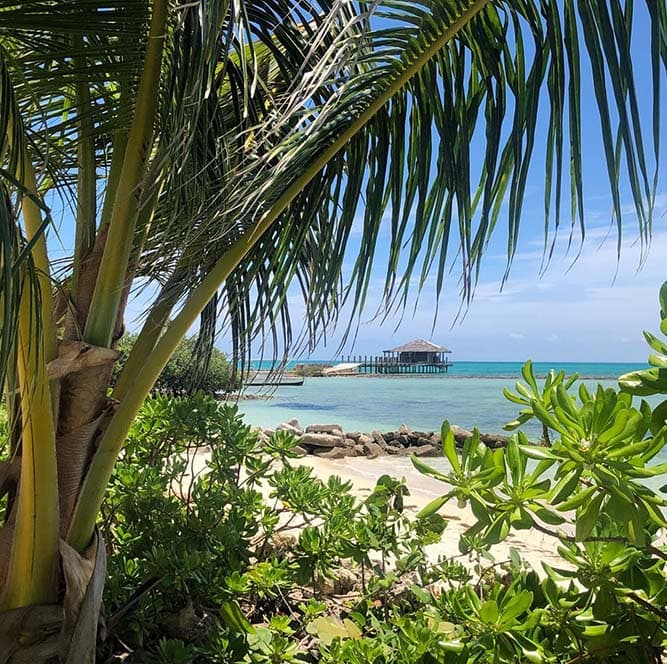
Small Hope Bay Lodge
Small Hope Bay Lodge is a historic, eco-friendly resort nestled on the serene shores of Andros Island, Bahamas. Established in 1960, the lodge offers guests a unique blend of adventure and relaxation, making it an ideal destination for families, couples, and solo travelers seeking an authentic Bahamian experience. The all-inclusive resort provides rustic beachfront cottages, each offering direct access to the beach, allowing guests to immerse themselves in the natural beauty of the island. Guests can indulge in a variety of activities, including world-class diving at the Andros Barrier Reef, bonefishing with experienced local guides, and guided nature tours exploring the island's rich biodiversity. For those seeking relaxation, the lodge offers hammocks, a well-stocked library, lounge chairs, and a hot tub right on the beach. Dining at the lodge features fresh, chef-prepared cuisine inspired by the islands, served in a family-style setting inside the lodge and on the adjacent beachfront terrace. With its tranquil setting, personalized service, and array of activities, Small Hope Bay Lodge provides a memorable and rejuvenating getaway in the heart of the Bahamas.
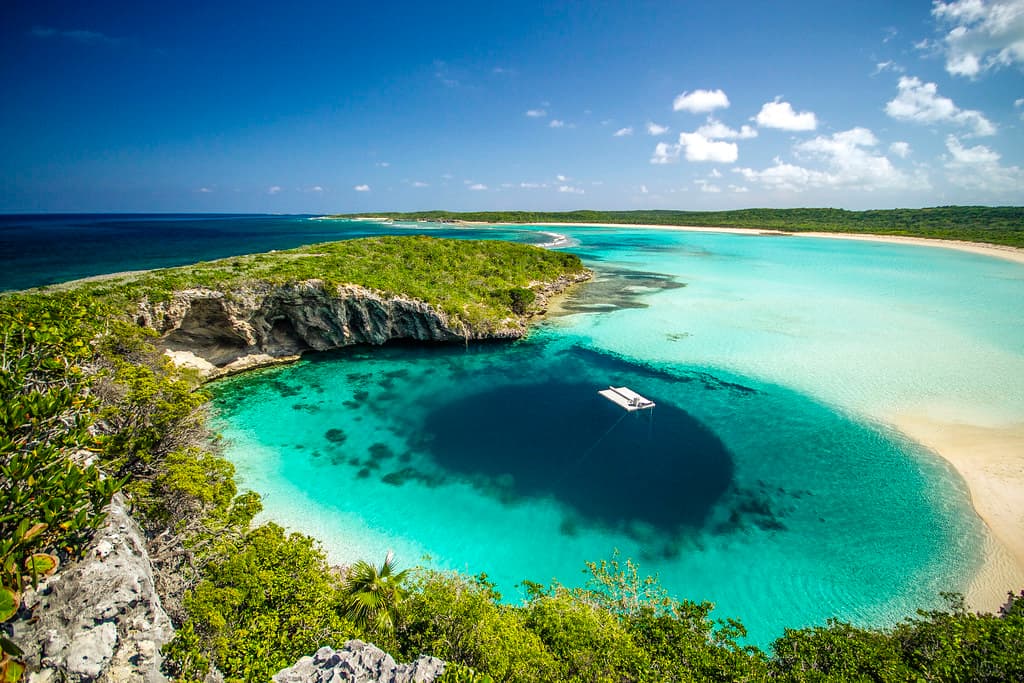
Long Island
Long Island is one of the Bahamas’ most striking and geographically varied islands, offering dramatic coastlines, crystal-clear waters, and untamed landscapes perfect for adventure seekers. From the tranquil Caribbean shores to the windswept Atlantic cliffs, this off-the-beaten-path destination is a haven for divers, hikers, and nature lovers. Whether you’re descending into Dean’s Blue Hole or discovering hidden beaches and old plantation ruins, Long Island delivers raw, authentic beauty far from the crowds. --- When & How to Visit - Best Time: November to April for cooler, dry weather and ideal water conditions for diving and snorkeling. - Getting There: Daily flights from Nassau to Stella Maris or Deadman’s Cay airports. There is no ferry service for regular passengers; access is mainly by air. - Getting Around: Car rental is essential for exploring the island’s length (80+ miles) and remote beaches and caves. --- Highlights of the Island - Dean’s Blue Hole: The world’s second-deepest blue hole, famous for free diving, swimming, and snorkeling. - Cape Santa Maria Beach: A postcard-perfect beach with soft white sand and calm, shallow waters ideal for relaxing or kayaking. - Hamilton Cave: One of the largest cave systems in the Bahamas, filled with stalactites and ancient history. - Clarence Town: The island’s main settlement, known for its twin-spired churches and local culture. - Columbus Point: A scenic viewpoint said to be where Christopher Columbus first sighted land in the Bahamas. - Atlantic Cliffs & Blowholes: The island’s east coast offers rugged views and dramatic natural formations. - Mangrove Creeks & Reefs: Ideal for kayaking, snorkeling, and spotting marine life in quiet, untouched settings. --- General Information & Visitor Tips - Weather: Warm year-round with temperatures from mid-70s to high 80s °F (24–31°C); hurricane season is June–November. - Population: Around 3,000 residents live across small, close-knit communities. - Cultural Respect: Greet locals warmly—Long Islanders are known for their hospitality. Dress modestly in towns; beach attire should stay on the beach. - Visitor Etiquette: Respect private property and local customs, especially in rural settlements. Many restaurants and shops close early or on Sundays—plan ahead. - Currency: Bahamian dollars is the official currency, but USD is accepted everywhere. Bring cash as some places don’t accept cards. --- --- Long Island is a destination for travelers who seek more than luxury—it’s for those who want space, silence, and real connection with land and sea. With its dramatic coasts, world-class diving, and tight-knit communities, the island offers both high-adrenaline adventure and peaceful retreat. Away from resorts and cruise ships, Long Island gives you the Bahamas in its purest form—untamed, welcoming, and unforgettable.
Andros Island
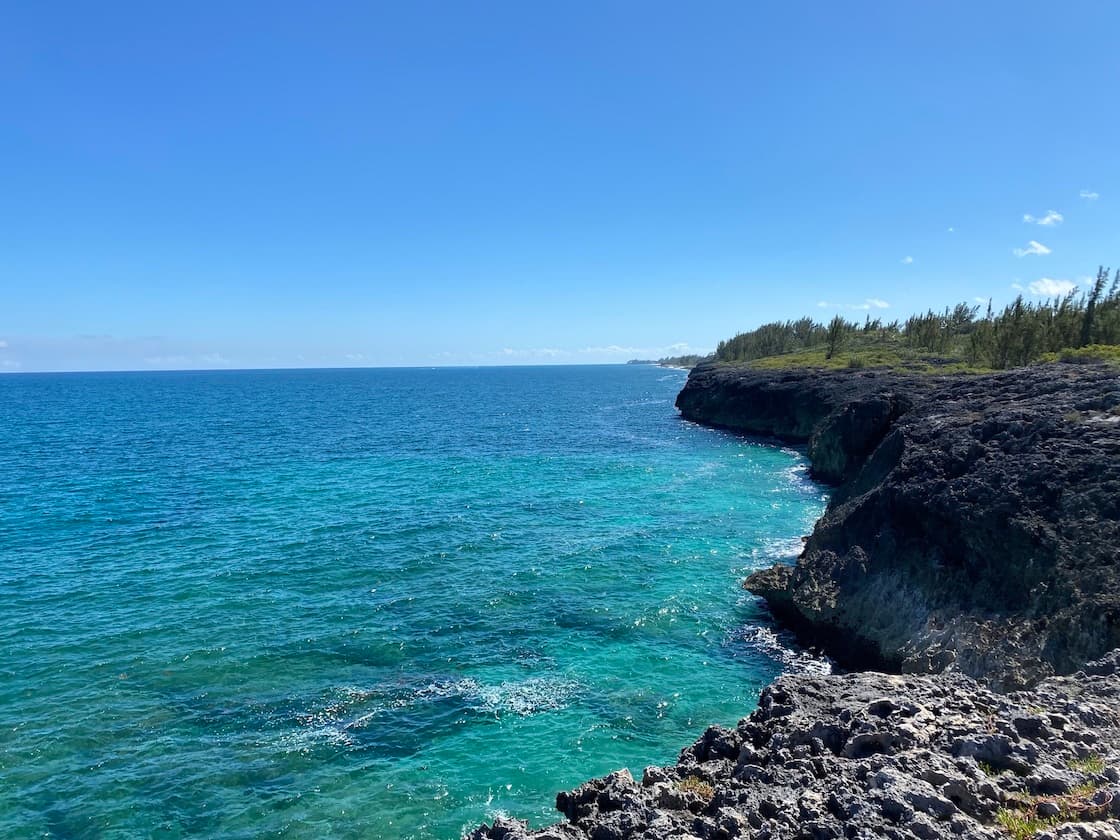
Andros, the largest and most ecologically diverse island in The Bahamas, is a haven for nature lovers and adventure seekers. Known as the ecotourism capital of The Bahamas, it’s home to vast blue holes, mangrove-lined waterways, vibrant coral reefs, and an untouched interior teeming with wildlife. Despite its size, Andros remains largely undeveloped, offering visitors a raw, authentic experience deeply rooted in nature and local culture. --- When & How to Visit - Best time: November to May (cooler, drier season with ideal conditions for outdoor activities). - Getting there: Flights from Nassau to Fresh Creek (Central/North Andros), Mangrove Cay, and Congo Town (South Andros); mailboats from Nassau are also an option. - Andros is made up of North Andros, Mangrove Cay, and South Andros, separated by bights—local travel may require ferries or small boats. --- Highlights of the Island - Blue Holes National Park: Home to hundreds of blue holes, underwater caves, and rare species. - Andros Barrier Reef: Third-largest reef in the world, excellent for diving and snorkeling. - Crab Replenishment Reserve & All Andros Crab Festival: Celebrate the land crab and its cultural significance. - West Side National Park: A sprawling, untouched marine wilderness ideal for bonefishing and kayaking. - Red Bays Village: Remote settlement known for basket weaving and woodcarving traditions. - Androsia Batik Factory: Watch or try your hand at making this iconic hand-dyed Bahamian fabric. Bird watching, kayaking, fly fishing, and deep-sea fishing with local guides. --- General Information & Visitor Tips - Weather: Warm and tropical climate year-round. - Etiquette: Greet locals respectfully, ask before taking photos, and dress modestly in villages. - Connectivity: Limited in remote areas—prepare to unplug. - Getting around: Renting a car or arranging local transport is recommended for exploring different parts of the island. --- --- From blue holes to barrier reefs, Andros Island offers unmatched biodiversity, rich cultural heritage, and endless opportunities for outdoor adventure. Whether you're diving into underwater caves, fishing with expert guides, or learning traditional crafts in Red Bays, Andros invites you to explore The Bahamas in its purest form—wild, welcoming, and wonderfully untouched.
Cat Island
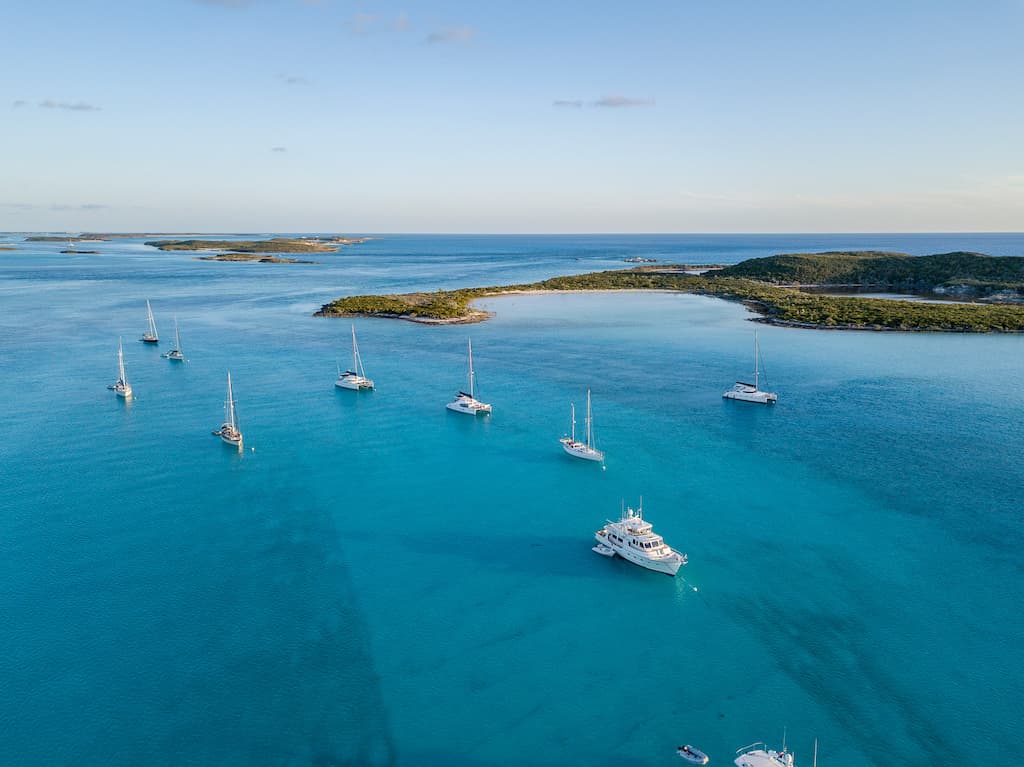
Cat Island is a serene, uncrowded gem in the central Bahamas, perfect for travelers seeking natural beauty, cultural depth, and a quiet escape. Known for its empty beaches, historical landmarks, and friendly communities, Cat Island has preserved its charm through generations. From pink sand shores to ancient ruins, and from rhythmic Rake and Scrape music to thrilling water sports, the island offers a unique blend of relaxation, heritage, and adventure. --- When & How to Visit - Best Time: November to April for dry, mild weather; June is ideal for cultural events like the Rake and Scrape Festival. - Getting There: Direct domestic flights from Nassau to New Bight Airport (TBI) or Arthur’s Town Airport (ATC). You can also hop on a mail boat from Nassau that arrives weekly. - Local Transport: Rental cars are the best option for exploring; taxis are also available in main settlements. --- Highlights of the Island - Mount Alvernia & The Hermitage: The highest point in the Bahamas (206 ft), topped by a hand-built monastery from 1939 with panoramic views. - Port Howe & Old Bight Beach: Famous for 8-mile pink sand and pristine white sand beaches on opposite coasts. - Deveaux Plantation Ruins: Historic remains of a colonial-era estate. - Bat Caves: Natural caverns that house bats and unique flora—great for nature lovers. - Arthur’s Town: The island’s oldest settlement, rich with Bahamian history and local flavor. - Rake and Scrape Festival: Annual celebration of the island’s musical heritage every June. - Cat Island Regatta: A beloved boating event featuring traditional sloop races and community festivities. - Fishing & Water Sports: Bonefishing, deep-sea fishing, surfing, and year-round kitesurfing, especially on the island’s east coast. --- General Information & Visitor Tips - Weather: Warm and sunny year-round, with average temperatures between 75–88°F (24–31°C); hurricane season runs June–November. - Currency: Bahamian Dollar (BSD); USD accepted everywhere. Bring cash as some businesses may not accept cards. - Cultural Respect: Greet locals courteously, dress modestly in towns, and ask permission before photographing people or private property. - Etiquette: Respect local customs, avoid littering, and support small businesses and artisans. - Connectivity: Cell service is available but may be spotty in remote areas; internet access varies by accommodation. --- --- Cat Island offers a peaceful, authentic Bahamian experience rich in nature, culture, and history. Whether you're hiking to the Hermitage, fishing in untouched flats, or dancing to live Rake and Scrape, this island invites you to slow down and connect—with the land, the people, and the soul of the Bahamas.
Ragged Island
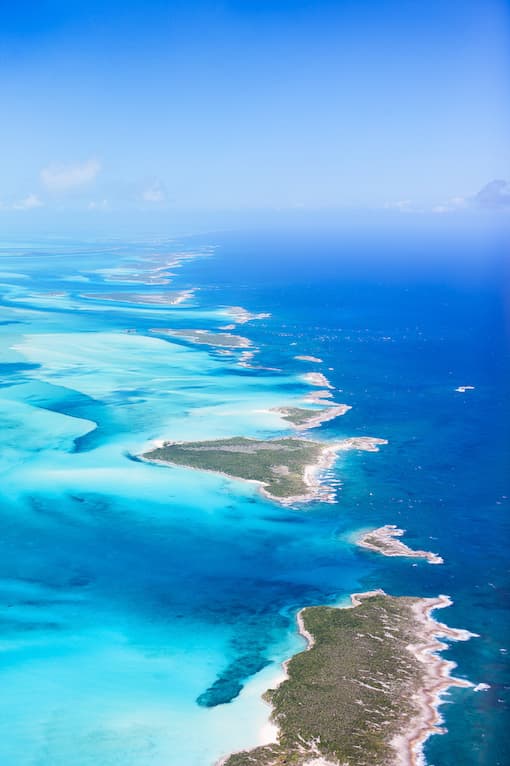
Ragged Island is a tiny, remote outpost in the southern Bahamas, boasting fewer than 100 residents and minimal tourist infrastructure. It offers a rare chance to disconnect completely, with untouched coastlines, shallow flats, and nearby uninhabited cays. Ideal for kayakers, bonefishers, snorkelers, and hikers, Ragged Island invites visitors to embrace simplicity, nature, and quiet adventure far from crowds and commercial distractions. --- When & How to Visit - Best Time: November through April for mild weather and calm seas; summer months are hotter and wetter, with a higher chance of storms. - Getting There: Accessible mainly by charter plane or boat from Nassau or Great Inagua; there are no regular commercial flights or ferries. - Travel Tips: Visitors should bring their own gear and supplies due to limited services on the island. --- Highlights of the Island - Pristine Beaches and Shallow Flats: Ideal for kayaking, snorkeling, and bonefishing in crystal-clear waters. - Salt Industry Ruins: Explore inland trails featuring historic salt production ruins, remnants of the island’s past economy. - Uninhabited Cays: Nearby small islands offer secluded spots for birdwatching and peaceful exploration. --- General Information & Visitor Tips - Weather: Tropical climate with warm temperatures year-round; expect occasional rain and trade winds. - Population: Fewer than 100 locals, fostering a close-knit community atmosphere. - Cultural Respect: Respect local privacy and customs; the community is small and welcoming but values quiet and low-impact visitors. - Facilities: Very limited—basic accommodations only, no large resorts or commercial amenities. - Connectivity: Minimal cell service and internet access; be prepared to unplug and embrace the remote setting. --- --- Ragged Island offers a truly off-the-grid Bahamian experience for those craving peace, nature, and adventure. With very few visitors and no commercial distractions, it’s a place to reconnect with the sea, explore historic ruins, and enjoy unspoiled landscapes. Visitors must come prepared and respectful, embracing the island’s simplicity and the warmth of its small local community. For intrepid travelers, Ragged Island is a rare jewel of solitude and natural beauty.
Bahamas Agriculture & Marine Science Institute
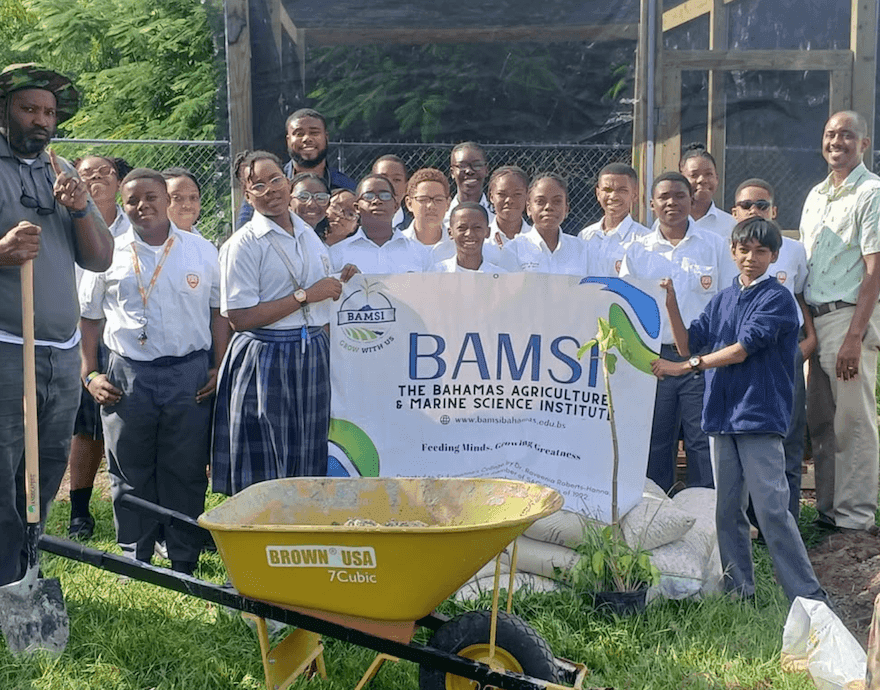
Located in North Andros and established in 2014, the Bahamas Agriculture and Marine Science Institute (BAMSI) serves as the nation’s leading tertiary institution dedicated to agriculture, marine sciences, and related disciplines. BAMSI’s mission is to lead in providing first-class education, cutting-edge technology, and technical training in agriculture and marine sciences. The institute emphasizes environmental stewardship, leadership, research, and outreach, aiming to inspire entrepreneurs and prepare students for successful careers . The 800-acre campus features a research demonstration farm, aquaponics facility, livestock units, and marine field station, offering students hands-on training in real-world settings. Through its outreach programs, BAMSI extends its impact nationwide, supporting farmers and fostering sustainable agricultural practices across The Bahamas. Visitors to BAMSI can enjoy guided tours of each of the institute’s research facilities. The campus offers immersive experiences in sustainable farming and marine science, with opportunities to interact with local experts and explore innovative agricultural practices. The institute also provides curated group visits, workshops, and access to its farm store, making it a valuable destination for tourists, schools, and organizations interested in environmental education and food security.
The Garden of the Groves
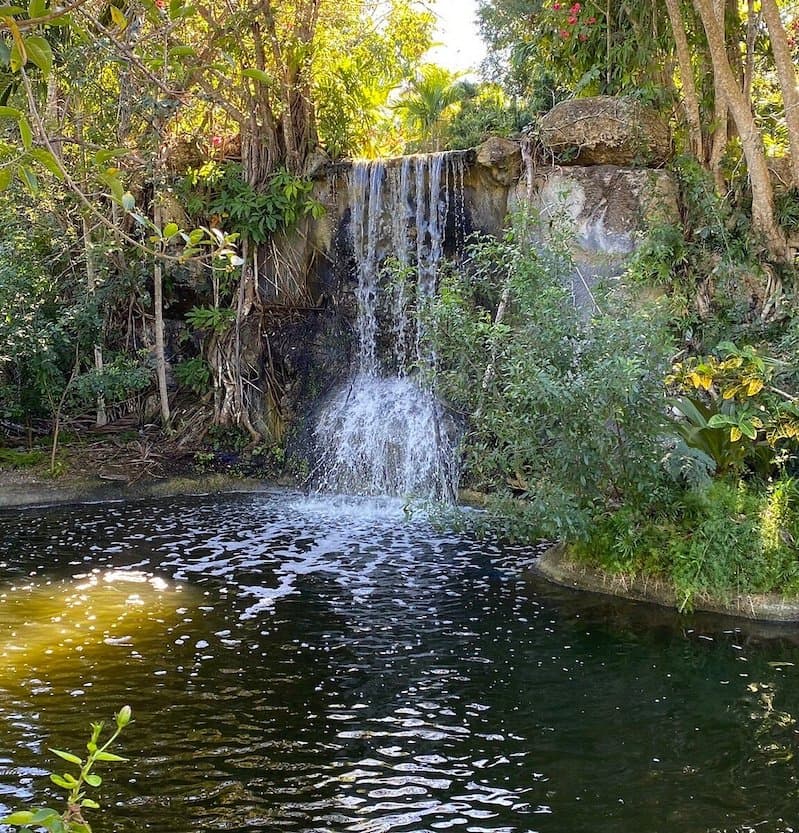
Set on a peaceful 12-acre tropical sanctuary just 7–10 minutes east of Freeport, The Garden of the Groves showcases vibrant Bahamian flora and fauna and is certified as a U.S. Wildlife Federation habitat, offering food, water, shelter and nesting zones for local and migratory wildlife. --- Tour Logistics - Hours of Operation: Open daily 9:00 am to 5:00pm. - Cost: Admission is $17 USD for adults, $11 USD for children aged 5–11 (VAT included). - Duration: - Self-guided walk → Plan 1–1.5 hours to explore the trails and ponds. - Guided tours or excursion packages → 3–4 hours total when including transport and optional beach or city sightseeing stops. Guided tours typically depart at 11:00 am and 2:00pm, led by knowledgeable local guides (group sizes vary depending on bookings). - Booking: - Walk-ins are accepted; no advance reservation needed. - To join a guided tour or excursion with transport from Freeport or cruise pier, book through the concierge of where you are staying. - Transport: Coming from Central Freeport, be prepared to spend about $5 USD if you take the jitney or roughly $20-30 USD if you are taking a taxi. - Cancellation: For excursion packages, cancellation and refund policies vary—check terms when booking. --- Sites & Activities - Expansive Tropical Gardens: Meandering walkways through flowering bougainvillea, banana trees, tamarind, Java plum, orchid beds, waterfalls, ponds, and fish and turtle habitats. - Chapel & Labyrinth: Quaint 19th‑century hilltop chapel popular for reflection and weddings; the limestone labyrinth is a replica of the Chartres Cathedral labyrinth in France (labyrinth walks facilitated on select days or by arrangement, ask about it when booking). - Wildlife & Kids’ Area: Petting zoo, a raccoon sanctuary, butterfly and bird watching opportunities. - Shopping Village: Local Bahamian arts & crafts—jewelry, wood carvings, straw goods, scents, books and souvenirs. - Garden Café: Open mid‑morning to early afternoon; enjoy local dishes and refreshments overlooking a waterfall and pond. --- Visitor Information - Accessibility: Main walkways and restrooms are wheelchair- and stroller-accessible; surfaces include paved paths, wooden boardwalks and gravel with some uneven terrain. - What to Bring: Hat, sunscreen, insect repellent, water bottle, comfortable walking shoes, camera; cash or card for café and shops (some vendors may prefer cash). - Weather: Tropical climate year-round; afternoons may bring rain May through October, so consider visiting earlier in the day. --- Whether you're traveling solo, with family, or with friends, The Garden of the Groves provides a lush, peaceful escape from Freeport making it a must-see blend of nature, Bahamian culture, and light adventure.
Bimini Biological Field Station
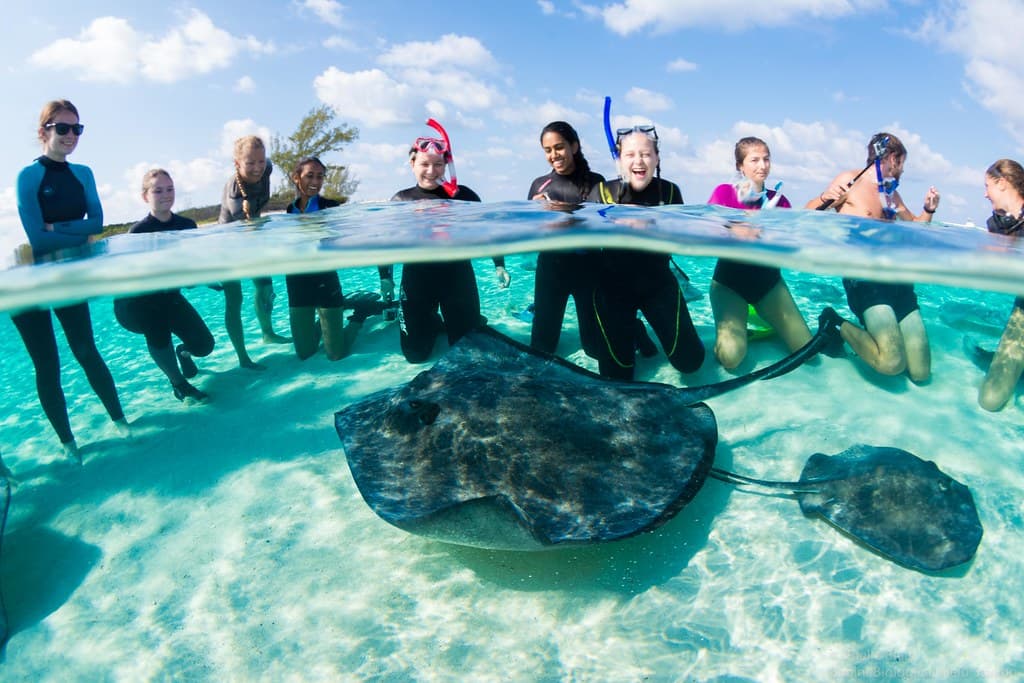
The Bimini Biological Field Station Foundation (BBFSF), commonly known as the Shark Lab, is a nonprofit research and education center founded in 1990 by Dr. Samuel Gruber on South Bimini. Its mission is to deepen our understanding of elasmobranchs (sharks and rays) and their role in marine ecosystems through cutting-edge field and lab studies, educate future generations of marine scientists, and raise public awareness to support conservation efforts. What They Do BBFSF conducts comprehensive research in areas such as molecular and behavioral ecology, physiology, sensory biology, and conservation—with ongoing long-term studies on species like lemon sharks and great hammerhead sharks. The station offers internships and university-level programs, allowing students to design and execute their own research under expert mentorship. Additionally, they host shark lab tours (by appointment only), workshops, speaker events, conferences, and classroom courses. How You Can Help Supporters can contribute through donations, “Adopt a Shark” programs, lab shop purchases, or by sponsoring acoustic tags for tagged sharks. Interns and volunteers are critical to the station’s work—helping to collect data, maintain field operations, tag sharks, and more. Interested individuals can apply to volunteer, intern, sponsor tags, or plan a visit or educational tour via their website. Interested in supporting BBFSF? Donate here Looking for a tour? Find contact information here
Built for Everyone in Responsible Travel
Whether you're planning your next adventure, running a local business, or stewarding a destination, GoGood provides the tools and insights you need.
For Travelers
Find authentic, locally-rooted experiences that connect you with culture, nature, and communities. Every choice you make creates positive impact.
For Businesses
Get listed on GoGood, measure your stewardship performance, and reach travelers who value local ownership and authenticity.
For Destination Stewards
DMOs, nonprofits, and community leaders: grow regenerative tourism that benefits your place and people while reducing negative impacts.
Tourism That Creates Positive Impact
Verified Stewardship
Every destination and business is assessed through the Stewardship Scan — built on Green Destinations' Good Travel Scan and extended with our Bonus questions on local ownership and certification.
Community-Centered
We prioritize local ownership, cultural preservation, and community well-being in everything we do.
Regenerative Tourism
Go beyond "doing less harm" to actually improving the places you visit through conscious travel choices.