Alamosa, Colorado
Find locally-rooted places and experiences to enrich your visit and support the community
GoGood in Alamosa
Choose authentic local places committed to stewardship and sustainability. Sign up to save places, plan trips, and promote your place on GoGood.
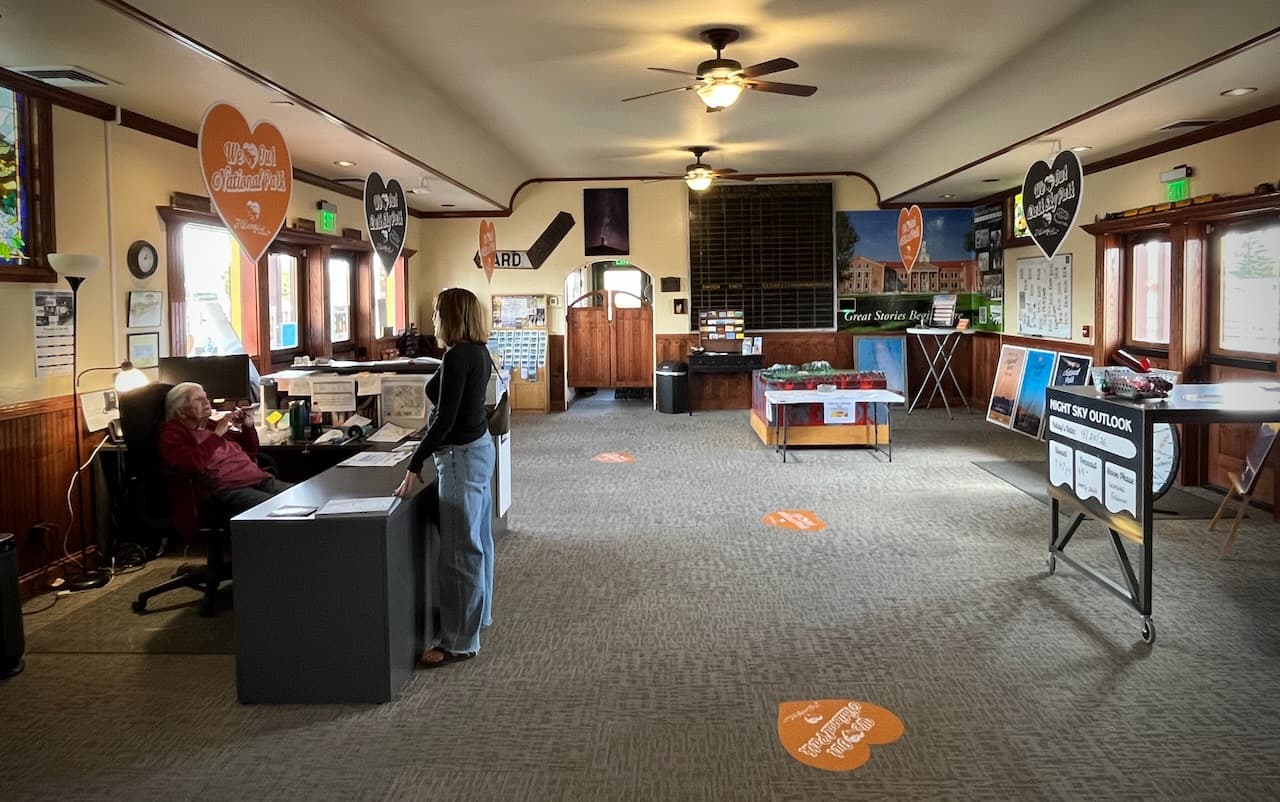
Alamosa Welcome Center
Welcome to the Colorado Welcome Center in Alamosa! We’re not just a place for travel information and history; we’re also an art gallery celebrating the rich culture of the beautiful San Luis Valley. Our center also features more fantastic artwork from talented San Luis Valley artists, showcasing the region’s unique heritage and stunning landscapes. The Colorado Welcome Centers are staffed by an outstanding group of volunteers who serve as a great source of information for visitors. The volunteers at the Alamosa Welcome Center are particularly knowledgeable and eager to share their insights, making them a fantastic resource for anyone visiting the area. They are well-versed not only in statewide information but also in the rich history and unique attractions of the broader San Luis Valley, providing personalized advice, insider tips on off-the-beaten-path locations, and answering any questions visitors may have. We Provide - Maps, brochures, and information for the entire state of Colorado - Welcoming travel counselors who are eager to answer any and all questions about Colorado and the San Luis Valley - Personalized itineraries and trip recommendations - Event information - Road conditions information - A pet-friendly and welcoming space - 4 EV charging stations with Tesla adapter Plan Your Visit The Welcome Center is open daily from 9:00 am to 5:00 pm. Our staff is here to assist you with any questions you may have about your travel or about the San Luis Valley. If you’re visiting after hours, you’ll find Alamosa Visitor Guides and Colorado Maps in the kiosk outside our building. Office Closures - New Year’s Day - Martin Luther King Jr. Day - President’s Day - Frances Xavier Cabrini Day - Veterans Day - Thanksgiving Day - Christmas Day Our History The Alamosa Welcome Center itself is particularly unique as it is located in the historic Alamosa Train Depot. Alamosa was founded, in part, to accommodate the railroad. The first Denver & Rio Grande train arrived in Alamosa in 1870. By 1880, it was the center of narrow gauge railroading in America. The Alamosa Train Depot was built in 1908-1909, and the town quickly sprung up from the railroad with Sixth Street becoming the heart of activity and commerce. After the decline of railroad transportation, the building was used for various government offices over the years. In 2009, interior renovations were made for the Colorado Welcome Center to move into their ideal home. Listed on the National Historic Register, the Depot features architecture and memorabilia reminiscent of a bygone era, making it an ideal first stop for visitors.
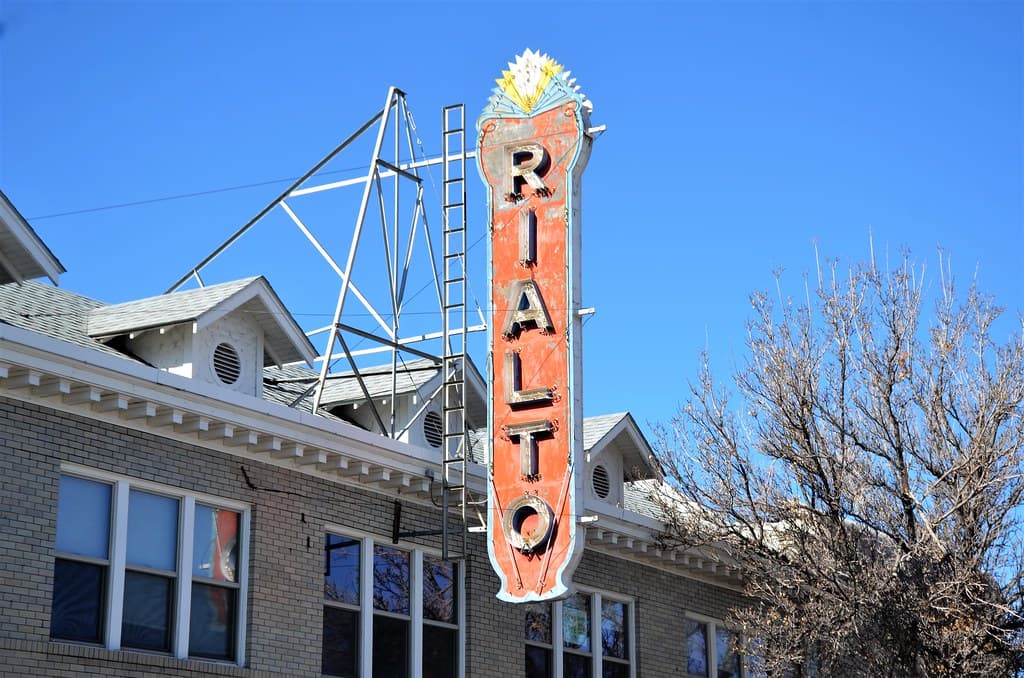
Downtown Alamosa Historical Walking Tour
A stroll around Alamosa’s downtown reveals its history and small town charm. From red brick to pressed metal ornamentation and glazed colored tile, Alamosa is a study in the architectural trends that have passed through the nation since the 19th century—late Victorian, commercial brick, Mission Revival, and Art Deco styles stand side by side in this tightly constructed area. Main Street runs parallel to the railroad, which lies less than two blocks to the south. The town plat submitted in April 1878 by the president of the Denver & Rio Grande Railroad, Alexander Cameron Hunt, claimed the San Luis Valley as the next stage of narrow gauge line development to Durango and Santa Fe, with Alamosa as its hub. From 1890 until c. 1940 passenger and freight trains steamed their way between Alamosa and Denver, Durango, Santa Fe, Salida, and Creede. The 1909 depot at downtown’s southern entrance and the historic brick and stone buildings that anchor downtown are reminders of the boom the town experienced in the early 20th century as the railroad brought commerce and a blossoming population to Alamosa. 1. Denver & Rio Grande Railroad Locomotive No. 169 (1883); B-1 Business Car (1881) Cole Park, near Rio Grande bridge on Hwy 160 East State Register 2000 Built in 1883, this narrow gauge, coal fired, ten-wheeler steam locomotive remained in service for over 50 years. In 1939 it was taken out of storage to represent the D&RGW Railroad at the World’s Fair in New York. The increased pulling capacity and speed of the six large driver wheels made it one of the fastest narrow gauge engines built. In 1941 No. 169 came to rest in Cole Park, a gift to the city from the railroad. 2. BPOE Elks Lodge #1297 (1956) 406 Hunt Ave The Elks Lodge was established in Alamosa in 1912. The 1956 yellow brick building, their second lodge home, was partly funded through revenues from the Elks’slot machines, which were legal at the time. Hot water heat in the concrete floors was innovative and served the lodge for nearly 50 years. Inside a large mural by Jocelyn Lillpop Russell depicts elk in a mountain scene. 3. WPA-era Pumphouse (1936) 306 Hunt Ave. (at Cole Park) Originally a brick pumphouse, the building housed the City Jail and later the Police squad room and jailer’s quarters from the 1950s until 1994 when it became the local history museum. The San Luis Valley History Center Museum is now located at Hunt Ave. and Fourth St. 4. First Public School Building in Alamosa (c. 1882), with later modifications, now Motor Parts 304 State Ave. (at State & Third) The Old Alamosa Schoolhouse built on the lots was sold to Alpha Ruby, the owner of the Colorado Theater Co., in 1907 and housed a dance hall from 1908 into the early 1920s. 5. Carver House (1901) 315 State Ave. The distinctive mansard roof and arched brick framing around the windows refer to the late Victorian style. 6. St. Thomas Episcopal Church (1925-30) 607 Fourth St. State Register 2003; National Register 2003; Alamosa Historic Registry 2007 The parish hall was constructed in Mission Revival style by noted Denver architects William E. Fisher and Arthur A. Fisher in 1925. The sanctuary, which incorporates the Gothic windows from the old church, and the complex were completed by an unknown builder in 1930. State Historical Fund restorations 2004-9. Resources 1. Full Alamosa Downtown Walking Guide 2. Alamosa Historis Places & Districts in Colorado 3. Visit Alamosa 4. Colorado Welcome Center 5. Plan Your Trip
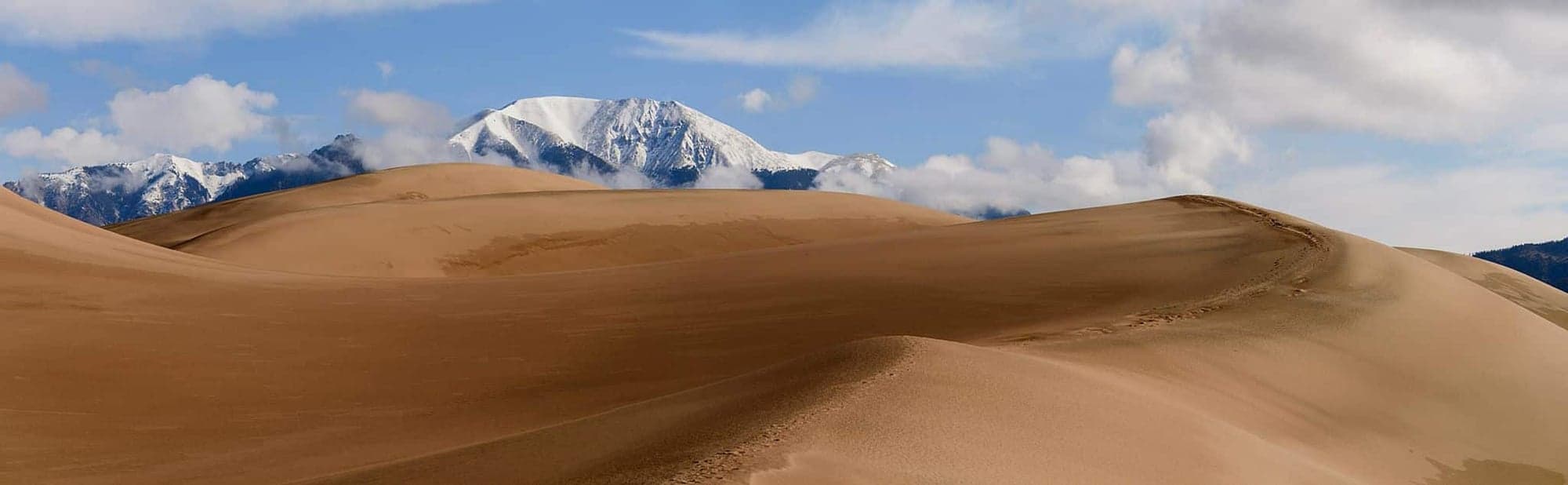
Mosca
Mosca is a simple crossroads along the Los Caminos Antiguos scenic and historic byway, which winds from Alamosa past the unique desert wetlands of San Luis State Wildlife Area to the Great Sand Dunes National Park and Preserve near Mosca. It is the massive, windswept sand dunes pushed up 750 feet high against the Sangre de Cristo Mountains that continue to inspire visitors. Guests will be awed by bizarre natural wonders such as water that runs in snaking streams atop the sand. Local naturalists at the Nature Conservancy lead daily tours of the monument; four-wheel-drive tours of the dunes are also available. Nearby, abundant wildlife roam the wetlands preserve at San Luis State Wildlife Area. Waterfowl, songbirds and raptors patrol the skies, while deer, elk and bison wander the area ranchlands. On site are approximately 9 miles of easy, level hiking and biking trails, plus a modern campground. One excellent area hike is the trail to Zapata Falls, a sheer 80-foot tall cascade. Lodging, food and gas are located at the crossroads in Mosca. Things To Do Great Sand Dunes National Park is a great place to enjoy unspoiled natural beauty in a variety of ways. Whether you play in Medano Creek, build a sand castle, slide down the dunes, go birdwatching in wetlands or ascend a 13,000-foot peak, you will discover plenty of kinds of outdoor recreation for all ages. Cut from the rock face by glaciers and scoured by millennia of rushing water, cold water crashes through a 30 ft. cleft in the rock walls. Zapata Falls is a half-mile hike from the parking area, where mountain bike and wilderness hiking trails can also be accessed. San Luis Lakes State Wildlife Area is ideal for hunting, fishing and other wildlife-related recreation. A valid hunting or fishing license is required for everyone 18 or older accessing any State Wildlife Area, effective July 1, 2020. Scenic Flights above Colorado's largest National Parks. An epic flightseeing tour is a once in a lifetime activity. Book your flight with Rugged Air Tours to have the ultimate vacation experience! Lowest Rates guaranteed at Dune Valley Distillery, based in Mosca, Colorado, is located in the Rio Grande watershed. We operate in the newly renovated Historic 1930's-era gymnasium and community hall that once hosted the first Sangre De Cristo School. Plan Your Trip Accomodations near Mosca: Great Sand Dunes Lodge Rustic Rook Resort Ramble Campground Resources Colorado Tourism Office: Mosca * Rugged Air Tours
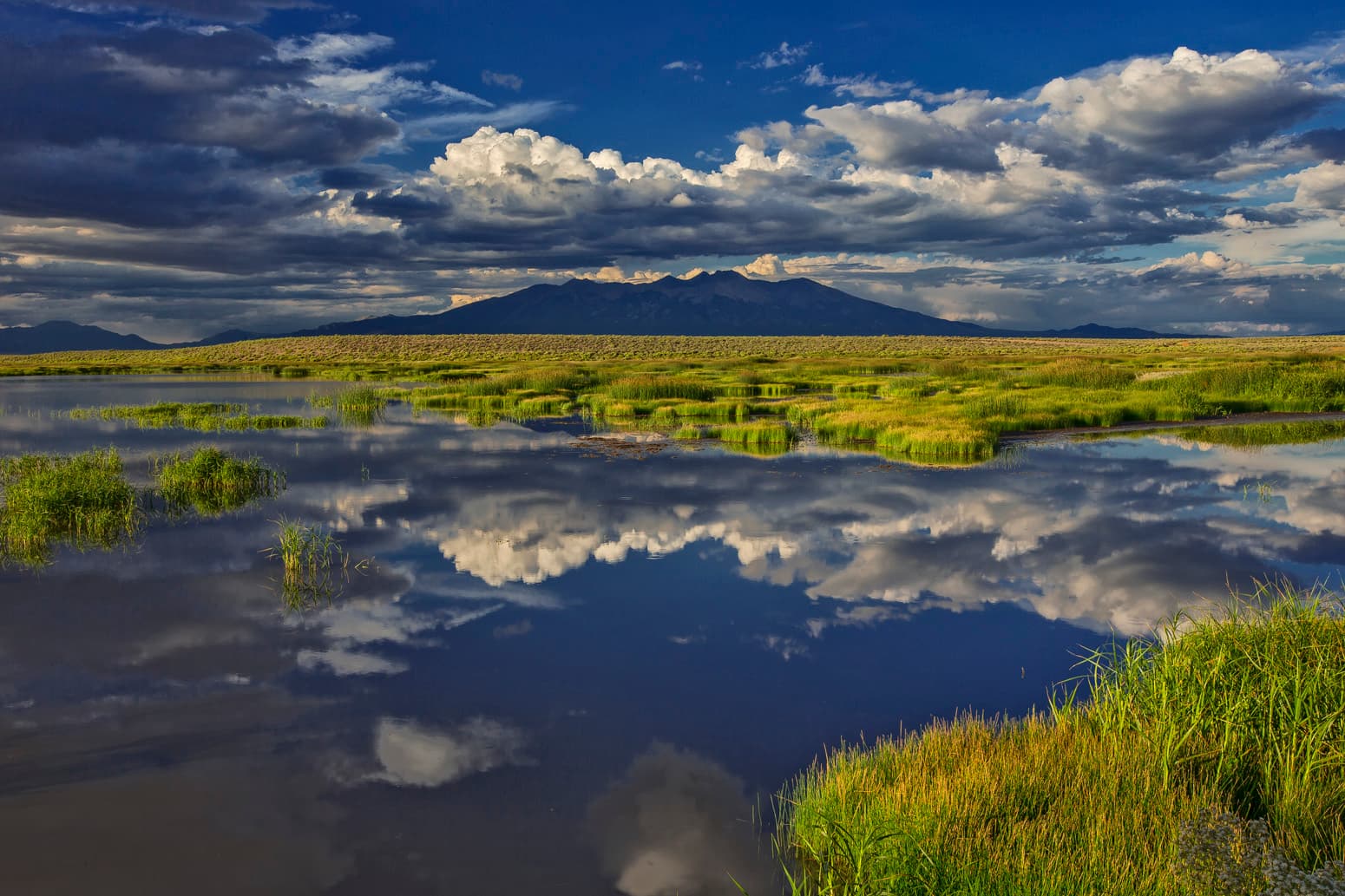
Alamosa National Wildlife Refuge
Alamosa National Wildlife Refuge was established in 1963 to provide food, cover, and breeding habitat for migratory birds and resident wildlife. The Refuge conserves and enhances the mixtures of wetland and desert habitats found in the area to accomplish these goals. Habitat management tools used on the Refuge include water and wetland management, weed control, haying, grazing, and prescribed fire. The 12,026 acre Refuge is located at the south end of the San Luis Valley, a high mountain basin in south-central Colorado. It’s one of three national wildlife refuges in the Valley that provide crucial feeding, resting, and breeding habitat for over 200 bird species and other wildlife. The San Luis Valley, sitting at 7,800 feet, extends over 100 miles from north to south and 50 miles from east to west. Three mountain ranges surround it – the Sangre de Christo to the east, the San Juan to the west, and the Saguache to the north. At sunset, the high peaks of the Sangre de Christo take on the blood red glow which inspired the Spanish explorers to name the range “Blood of Christ.” The surrounding mountains feed the arid valley with precious surface water and replenish an underground reservoir. The mountain snow melt and artesian wells provide needed water to the agricultural community and to the rivers, creeks, and wetlands that thread across the valley floor. The Refuge lies within the Rio Grande floodplain and consists of wet meadows, old river oxbows, riparian corridors, and dry uplands. These diverse habitats support a multitude of songbirds, water birds, waterfowl, raptors, mule deer, beavers, and coyotes. The west side of the Refuge borders the Rio Grande, long considered to be the life blood of the San Luis Valley. Water from the Rio Grande maintain these important habitats. Things to Do Public Viewing Areas “Wildlife Drive” located east of the Comfort Station & Kiosk is partially wet with some waterfowl use in the southern and eastern portions of the unit. Mule deer and Elk have also been seen hanging out along the fringes of the wetland. “Rio Grande Walking Trail” located at the Visitor Center is open from Sept 1st – April 15th. Currently the trail is open and hosting a good number of migrating songbirds and waterfowl. Other birds such as Great Blue Herons, Swainson’s Hawks, and American Kestrels are very frequent in this area. A few Sandhill Cranes have also been heard flying overhead. “Malm Trail” located west of the Alamosa Refuge and accessed through the City of Alamosa property, has good numbers of migrating songbirds and some waterfowl utilizing the river along the refuge. “Bluff Overlook Pullout” located on the far east side of the refuge along County Rd 116, overlooks a full “Bluff Slough” and adjoining wetlands. The southern areas of the refuge are unfortunately dry. * “Bluff Nature Trail” located on the southern portion of the refuge, off the Bluff Overlook Drive, is open but the area is dry. Plan Your Visit Hours of Operation The Refuge is open one hour before sunrise to one hour after sunset for Refuge permitted activities. Getting Here Directions to the Refuge and Visitor Center -- From the junction of Hwy 17 and 160, drive east on HWY 160 for about 3 miles to El Rancho Lane. Turn right onto El Rancho and drive about 3/4 of a mile to the Refuge HQ Office and Vistor Contact Station. The visitor contact station is open intermittently when staff and volunteers are available. Know Before You Go When you plan for a trip to the Refuge, wear sturdy shoes for hiking and dress for the weather. Bringing water, food, binoculars, field guides, a hat, sunscreen, insect repellent, and anything else that might make the outdoor experience more enjoyable. For more information, call us at 719-589-4021 or by email at alamosa@fws.gov.
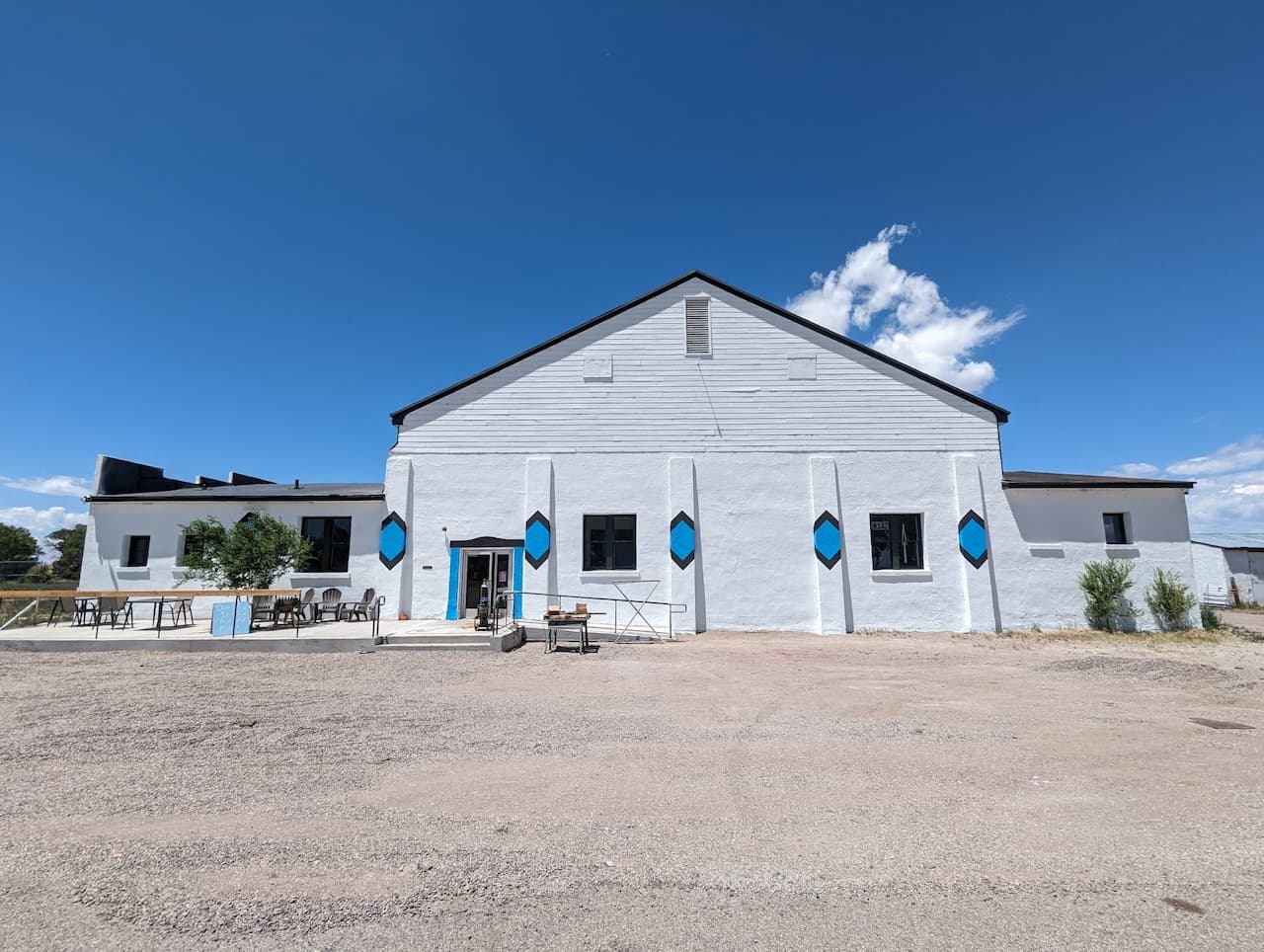
Dune Valley Distillery
Owner and distiller, Nicolas Chambers has long wanted to experiment on producing unique Colorado potato and quinoa vodkas. Dune Valley Distillery, based in Mosca, Colorado, is located in the Rio Grande watershed. We operate in the newly renovated Historic 1930's-era gymnasium and community hall that once hosted the first Sangre De Cristo School. We share this property with Colorado Quinoa and White Mountain Farm. The crops utilized in the creation of our beverages are grown in the surrounding fields and the seeds are cleaned in a new, state-of-the-art cleaning plant. Dune Valley vodka is not a completely neutral spirit but one that highlights the unique high alpine desert valley terroir which is reminiscent of the Andes (where quinoa originally evolved). Their spirit is composed of 100% malted quinoa grown at White Mountain Farm in Mosca, Colorado has been growing quinoa in the San Luis Valley since the early 1980s. Carbone Wine: Carbonewine Family matriarch Claudia Carbone, descendant of Anthony Carbone, founder of Carbone Wine Co. in Denver, has invested in bringing back the family’s legacy wine brand. Together with her sons Nick Chambers, Dave Chambers, and Mike Chambers; and grandson JD Kettle, they have teamed up with Dune Valley Distillery to bring new life to the Carbone legacy. Location We are about 15 miles north of Alamosa and a stones throw away from the Great Sand Dunes National Park and Preserve. Hours of Operation Thursday-Saturday: 2 p.m.-8 p.m. Sunday-Wednesday: Closed Resources Our menu Carbone wine Sandboard rentals Event schedule

Alamosa Farmers Market
The Alamosa Farmers Market includes a number of local growers, including local dairy producers and local meat producers who offer organic, grassfed beef, lamb, and yak. Many of the producers are families who want to share their produce so that their lifestyle can continue for future generations. The market has also served as an incubator opportunity for local entrepreneurs who produce baked goods, jams, and jellies. Located downtown with plenty of parking options, you will not want to miss the farmer’s market. Stop by to complete your experience of the local flavors and cultures of the San Luis Valley. Fill your basket with local and regional produce, baked goods, crafts, and more. There is nothing quite like the sights and sounds of the market or the smell of roasting chilies on a crisp fall morning. In addition to the great local produce, the market features live music, cultural events, cooking demos, and activities for the whole family. Visit alamosafarmersmarket.org for more details and an event schedule.

Great Sand Dunes National Park and Preserve
Set against the dramatic backdrop of the Sangre de Cristo Mountains in southern Colorado, Great Sand Dunes National Park and Preserve is home to the tallest dunes in North America. With rolling dunes reaching up to 750 feet high, sprawling grasslands, alpine forests, and wetlands, it’s a landscape like no other—wild, remote, and utterly breathtaking. Beyond its natural wonders, the park is steeped in history. Indigenous peoples have revered this place for thousands of years, and its rich cultural heritage continues to shape the identity of the San Luis Valley. Today, visitors come from around the world to experience this rare convergence of desert and mountain ecosystems. Things to Do Explore the Dunes The dunes are the park’s centerpiece, inviting visitors to climb, hike, and play. Hike to High Dune or challenge yourself with the trek to Star Dune, one of the tallest in North America. Try sandboarding or sand sledding down the slopes (rentals available in nearby Mosca and Alamosa). In late spring and early summer, enjoy wading and floating in Medano Creek, a seasonal stream that flows at the base of the dunes—perfect for a refreshing splash. Indigenous Communities The San Luis Valley is ancestral land for many Indigenous peoples, including the Ute, Apache, Diné (Navajo), and others. These communities have deep spiritual connections to the dunes, mountains, and waters of the region. Cultural ties are honored through place names, oral histories, and archaeological sites throughout the park. Visitors can learn about this legacy at the Great Sand Dunes Visitor Center and through seasonal ranger programs. Culture and History Explore the park’s human history, shaped by ancient peoples, Spanish settlers, and ranching traditions. Great Sand Dunes Visitor Center: Features exhibits on geology, ecology, and cultural heritage. Historic Medano Ranch: Located within the preserve, reflecting early 20th-century ranching life. Join ranger-led programs for deeper insight into the people and forces that shaped this unique region. Nature and Outdoors The park offers much more than sand dunes—its diverse ecosystems invite exploration year-round. Hiking Trails: Mosca Pass Trail winds through lush forests with wildflowers and scenic views. Montville Nature Trail is a short, shaded walk ideal for families. Wildlife Viewing: Look for mule deer, elk, coyotes, black bears, and over 200 species of birds. Stargazing: As an International Dark Sky Park, Great Sand Dunes offers some of the best night skies in the U.S.—perfect for astrophotography and meteor showers. Food and Drink While there are no restaurants inside the park, nearby towns offer a taste of Colorado hospitality. Alamosa: Full-service dining, coffee shops, and breweries. Mosca and Hooper: Small eateries and convenience stops closer to the park entrance. Plan Your Trip When to Visit: Late May–early July: Best for experiencing Medano Creek in full flow. September–October: Crisp weather, vibrant fall colors, and fewer crowds. Winter months: Serene, snowy landscapes and stargazing opportunities, though temperatures can dip well below freezing. Getting Here: By Car: The park is located about 35 miles northeast of Alamosa, Colorado, off U.S. Highway 160 and Colorado Highway 150. By Air: The nearest major airport is Colorado Springs Airport (165 miles away); smaller airports are located in Alamosa and Pueblo. Public Transport: Limited; driving is highly recommended. Where to Stay: Piñon Flats Campground: Located inside the park, with tent and RV sites (reservations recommended). Backcountry Camping: Available with permits for a more rugged adventure. Alamosa: Hotels, motels, and vacation rentals. Mosca and Hooper: Small inns, RV parks, and campsites.
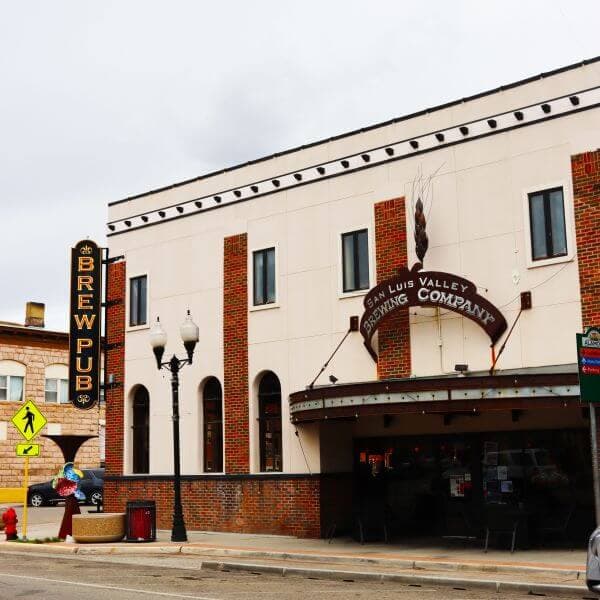
San Luis Valley Brewing Company
The San Luis Valley Brewing Company began with a desire to offer the finest in craft brews and fine food in an inviting atmosphere -- a place where community thrives. Scott and Angie Graber create the brews on the premise, our culinary staff prepares wonderful food, and local designer Kris Gosar has created a setting where it is easy to savor both. The Brewery opened in March, 2006. We invite you to browse around our website and learn more about us. Our Beer Our brewery is a 7 barrel system capable of making 217 gallons of beer per brew. We load the mash tun with 300-500lbs. of malted barley depending on the style of beer desired and “mash in” with water from the Rio Grande River Basin. Our hops and barley are purchased right here in Colorado from local producers, as well as from the finest growers in the U.S. and internationally. When it comes to creating authentic beers, we seek out the highest quality ingredients to ensure our beer has the full flavor and excellence that define a great small-batch craft brewery. View our menu, HERE We are open 7 days a week!
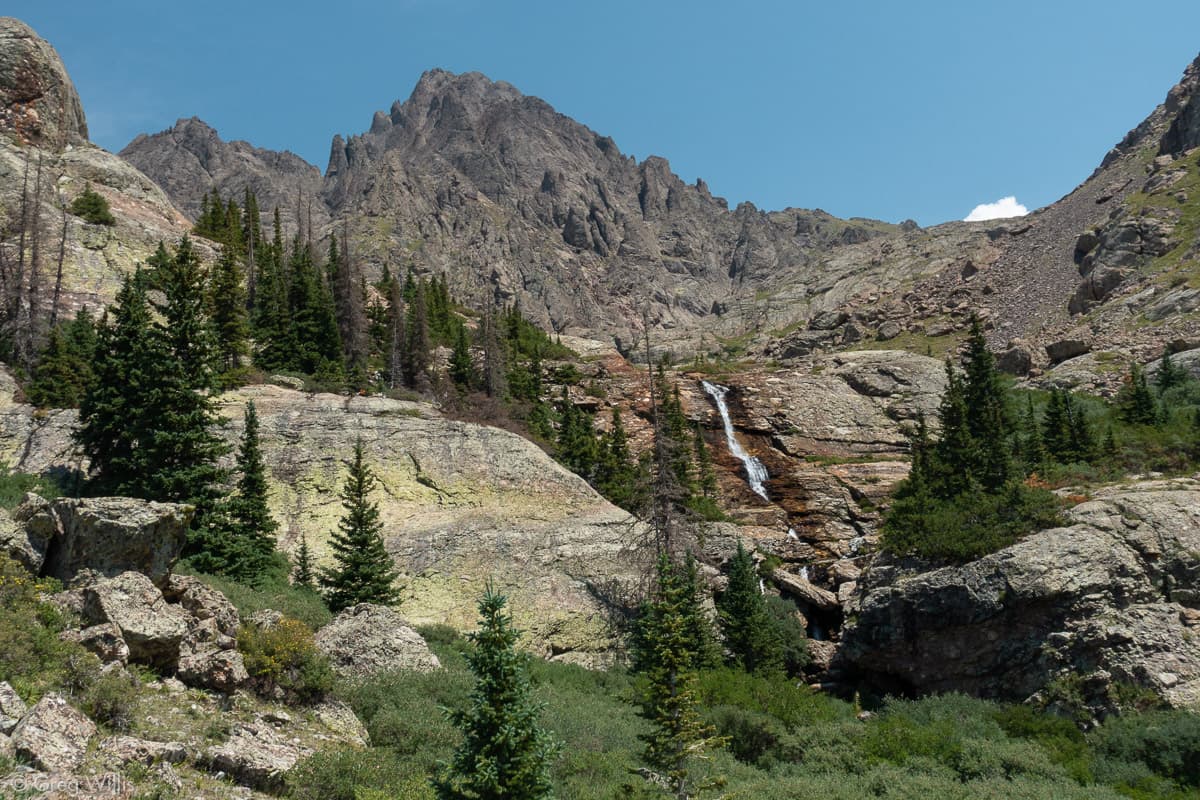
San Luis Valley Great Outdoors
San Luis Valley Great Outdoors (SLV GO!) was originally formed in 2013 as a coalition by a group of citizens, educators, and community leaders who recognized the tremendous opportunity to enhance recreational experiences, improve wellness, and connect the communities across the six-county region of the San Luis Valley in southern Colorado. Today, SLV GO! has eight full time staff members and a growing list of more than 140 volunteers and over 40 partners. SLV GO! gained 501(c)(3) status in April of 2018. Practicing a collective impact model, we bring stakeholders together and provide leadership for effective collaboration among partners with shared goals. We are the only organization working collectively with nonprofits, businesses, federal agencies, and municipalities to improve health and quality of life via trails and outdoor recreation in the San Luis Valley. Our mission is to provide residents and visitors throughout the San Luis Valley with accessible and inclusive outdoor recreation opportunities that balance conservation, connect communities, improve wellness, encourage stewardship, and contribute to the economic vitality of the region. 10 year Priorities 1. Improve community wellness through enhanced in-town recreation facilities. 2. Connect, expand, and enhance trail systems throughout the San Luis Valley. 3. Grow more recreation programs and activities specifically tailored to San Luis Valley youth. 4. Expand Water Based recreation. 5. Expand opportunities for Winter Recreation. 6. Promote San Luis Valleys recreation opportunities and increase information sharing about what there is to see and do in the San Luis Valley. SLV GO! has 9 Tool Kits as part of our Master Plan that focuses on best practices from a variety of communities who have had successful trail and outdoor recreation projects. Shaping Recreation Destinations Building Healthier Communities Developing Trail Systems Realizing Trail Connections Connecting Youth and the Outdoors Balancing Recreation and Conservation Promoting Recreation Hosting Recreation Events Funding and Sustaining SLV Recreation Our Work Programs The Great Outdoors Action Team, or GOATs, are a six-person trail building, stewardship and restoration crew managed by SLV GO. The GOATs are available and responsible for a variety of projects on federal, county, city and private lands; utilizing hand tools and small machinery and employing skills in trail design, layout and construction to create and maintain community outdoor recreation resources. Generation Wild partners are dedicated to creating sustainable, culturally relevant land and water stewardship education programs for youth ages Pre-K through college. Revitalize the Rio is a community-driven initiative working toward activating the Rio Grande corridor in Alamosa, Colorado. This initiative aligns with long-term goals for better community health and well-being which helps increase overall livability. Community members work together and implement projects that help Alamosa residents become healthier, thrive economically, promote civic and cultural vitality, and steward the Rio Grande to better connect the population to their outdoor recreational opportunities. Conservation The SLV GO! Coalition is the only one of its kind in the SLV, focusing on equitable access to outdoor spaces in underserved communities. Understanding the incredible potential this region has to offer, SLV GO! is working to ensure the future development of the SLV remains sustainable with conservation at the forefront. Events View our event calendar, HERE. Ways to Give Donate SLV GO! builds pathways to connect. Whether that's constructing and maintaining trail systems around the San Luis Valley with our dedicated partners or uplifting and fostering community coalitions to help turn ideas into reality, SLV GO! is an instrumental link that makes connections happen. Donations can be scheduled monthly, or as a one-time gift. $15 Community Trail Supporter $25 SLV Regional Supporter $75 Trail Crew Sponsor $100 Ultimate Outdoor Steward Donate HERE Volunteer Sign up to join our Volunteer Roster! For more information and resources, visit our website HERE.
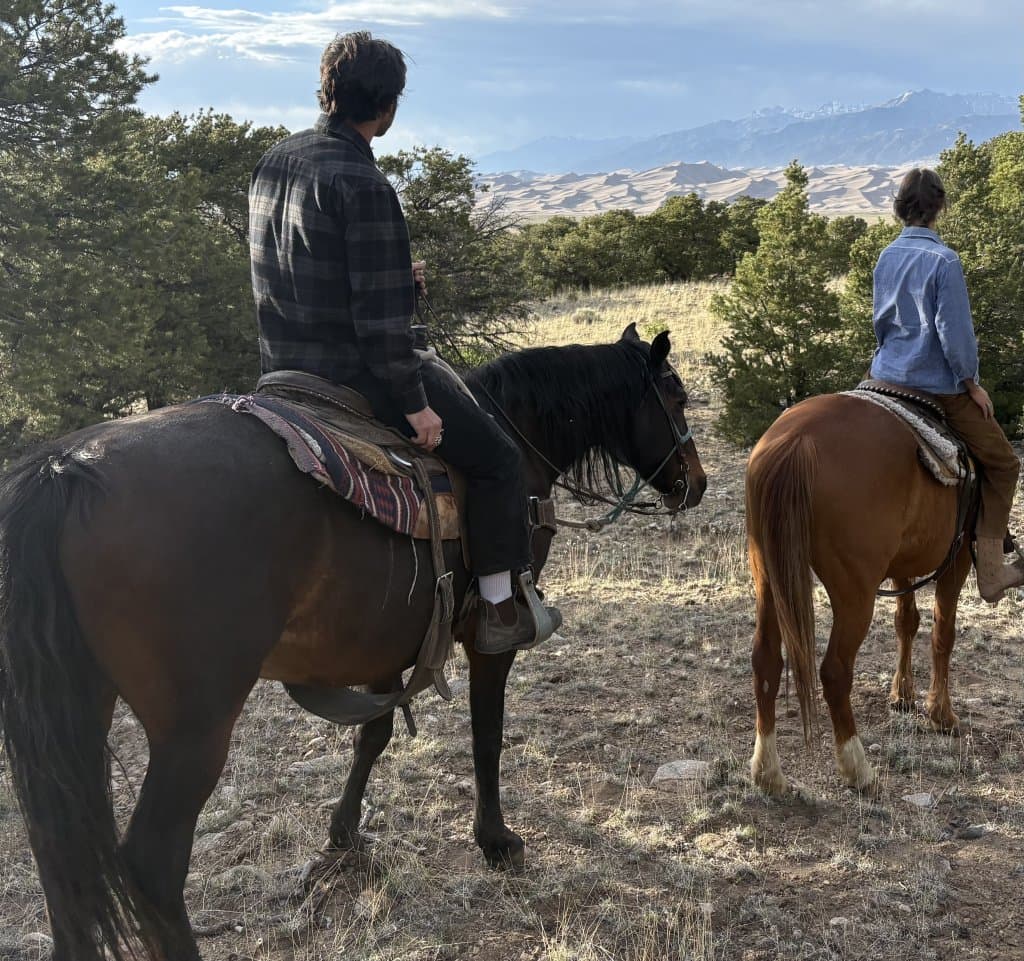
Wilderness Adventures
Unforgettable Adventures Await You Wilderness Adventures, Inc. offers guided horseback trail rides through stunning locations such as the foothills of the Sangre De Cristo Mountain Range looking out over the Great Sand Dunes National Park and the picturesque mountains of South Fork, Colorado. Our gentle horses and knowledgeable guides prioritize your safety while ensuring a memorable exploration of nature's beauty. Experience the breathtaking views that accompany every trail ride, enhancing your adventure. Expert guides with local knowledge. Perfect for beginners and seasoned riders. All riders must 8 year old or older, and under 230 lb. Pants and close toed shoes are recommended Sand Dunes Oasis Rides $70 per person for 1 hour ride Rides offered daily at approximately: 9:00 am 12:00 pm 3:00 pm 6:00 pm South Fork Rides 1 hour $40 2 hour $70 Rides offered Monday - Saturday at approximately: 9:00 am (1 or 2 hour) 12:30 pm (1 hour) 3:00 pm (1 or 2 hour) Reservations are recommended (Call or text 719.588.1155) Cash, credit card, or check accepted Prices subject to change without notice Colorado License #2258 Permits by Rio Grande National Forest An Equal Opportunity Provider Office address : 3320 County Road 103 S, Alamosa CO 81101 Email: huntelk@gojade.org
Built for Everyone in Responsible Travel
Whether you're planning your next adventure, running a local business, or stewarding a destination, GoGood provides the tools and insights you need.
For Travelers
Find authentic, locally-rooted experiences that connect you with culture, nature, and communities. Every choice you make creates positive impact.
For Businesses
Get listed on GoGood, measure your stewardship performance, and reach travelers who value local ownership and authenticity.
For Destination Stewards
DMOs, nonprofits, and community leaders: grow regenerative tourism that benefits your place and people while reducing negative impacts.
Tourism That Creates Positive Impact
Verified Stewardship
Every destination and business is assessed through the Stewardship Scan — built on Green Destinations' Good Travel Scan and extended with our Bonus questions on local ownership and certification.
Community-Centered
We prioritize local ownership, cultural preservation, and community well-being in everything we do.
Regenerative Tourism
Go beyond "doing less harm" to actually improving the places you visit through conscious travel choices.