Tabor Opera House
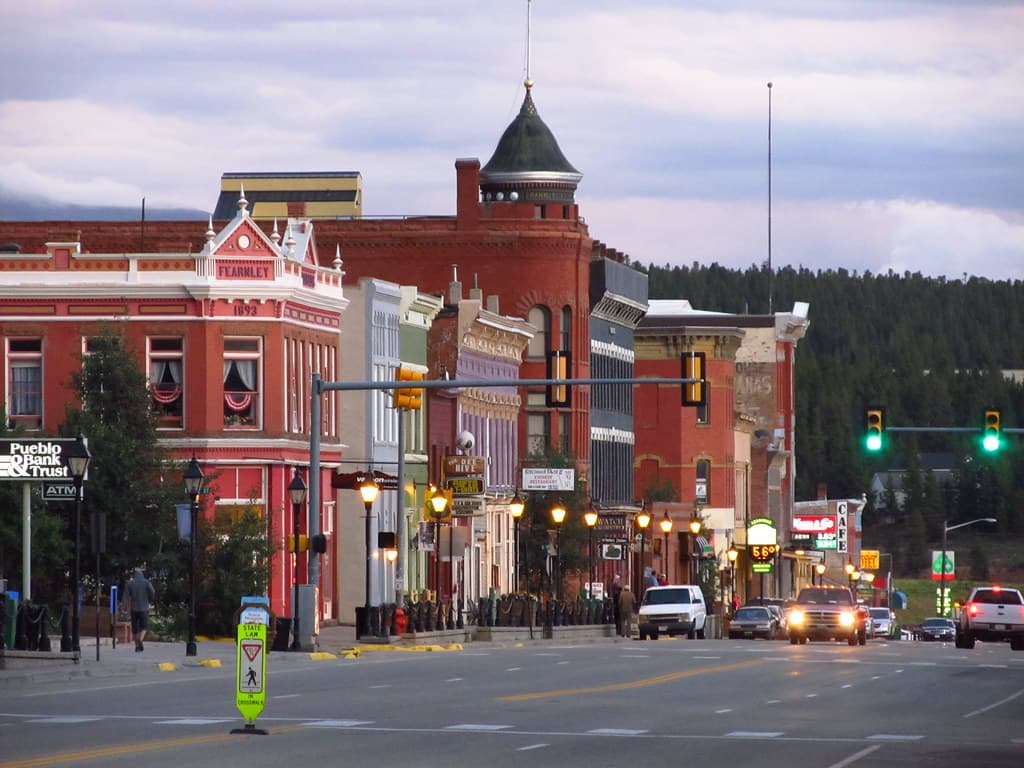
Mining magnate Horace Tabor built the Tabor Opera House in 1879 in just 100 days in one of the West's rowdiest silver boomtowns. This elegant three-story building of stone, brick, and iron, with 16-inch-thick solid brick walls, features an ornate interior with richly painted walls and ceiling frescoes, custom carpets, and hand-painted stage curtains. The opera house became known as the finest west of the Mississippi, hosting luminaries such as Oscar Wilde, John Philip Sousa, and Buffalo Bill.
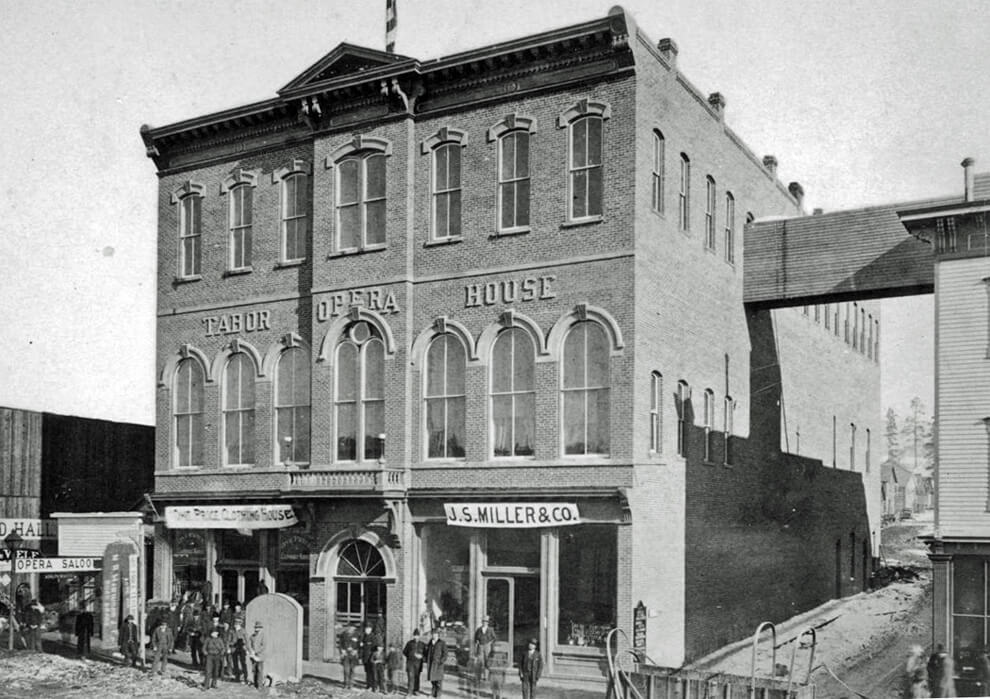
Today, in a town with no community center, no movie theater, and no formal performance spaces, the Tabor Opera House remains a much-needed cultural and community center, deemed a National Treasure by the National Trust for Historic Preservation. Walking around the opera house is like being teleported back to its glory days—decorative radiators, an old-style ticket box, a museum filled with bygone treasures, and the theater's original red velvet seats lend a timeless feel.
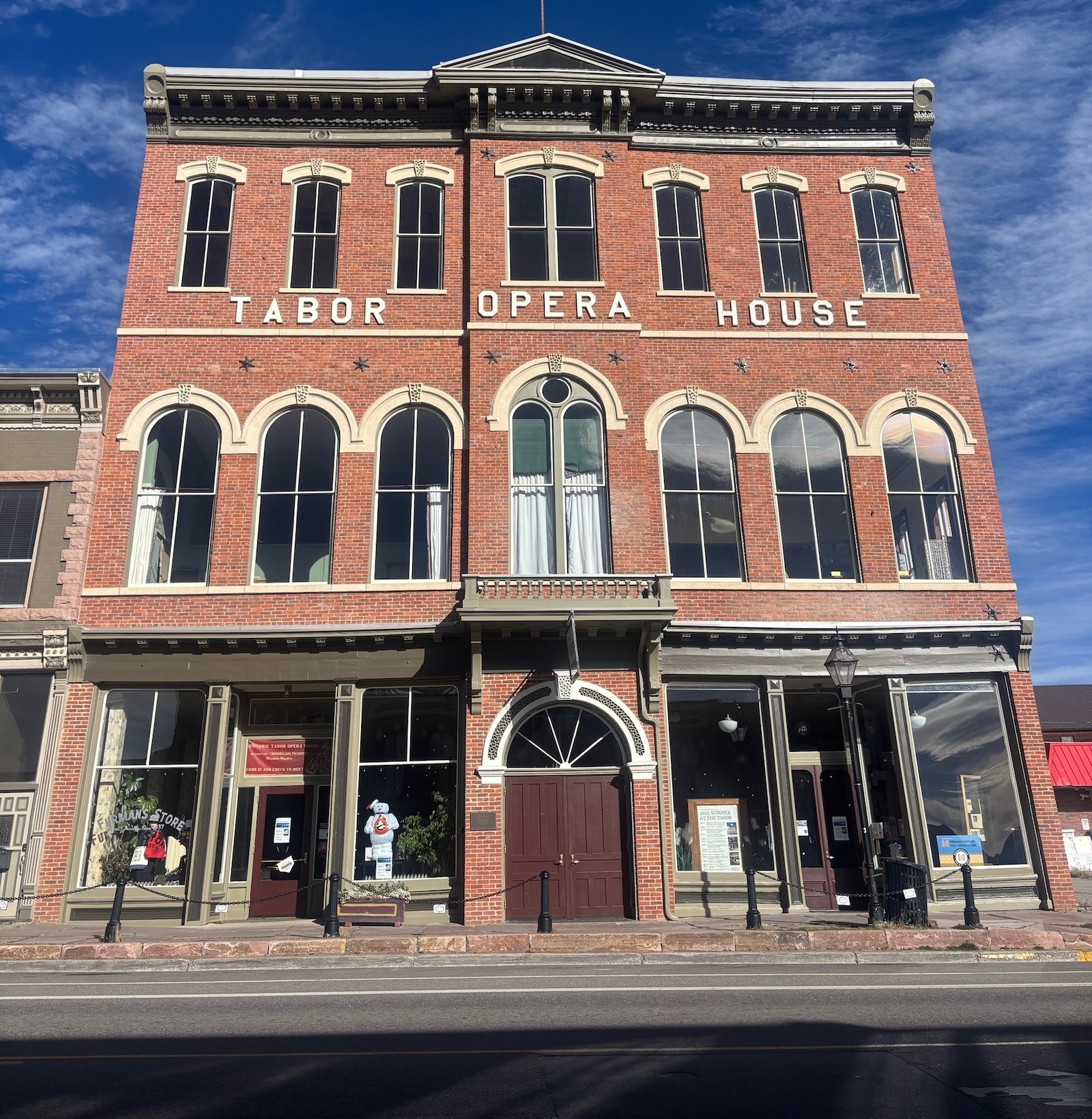
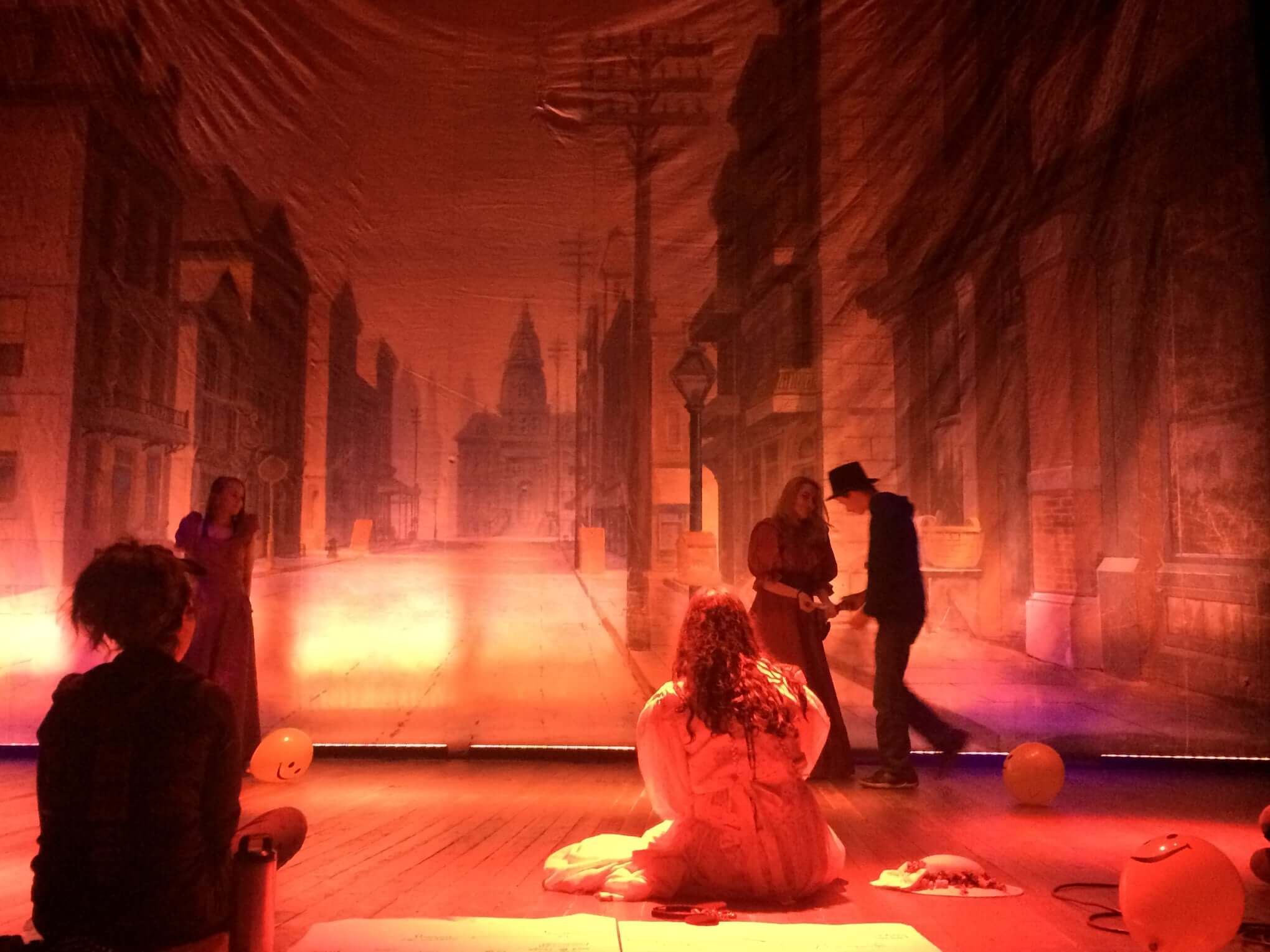
The Tabor also houses the largest collection of historic stage scenery in North America: hand-painted curtains and drops dating as far back as 1879, discovered in the attic in 2020. The building is currently undergoing a multi-year, multi-million-dollar rehabilitation. The Tabor Opera House Preservation Foundation operates the venue on behalf of the Leadville/Lake County community, hosting world-class shows including opera, theater, Broadway, blues, jazz, rock, ballet, and community theater, along with tours available Memorial Day weekend through early fall.