Pow Wows and First Nation Celebrations
Canadian National Indigenous Peoples Day Events
The summer solstice, the longest day of the year, has cultural significance for indigenous people through the Americas. In 1996, June 21 was established as National Indigenous Peoples Day to honor Canada's First Nations, Inuit and Métis. First Nations in the Crown of the Continent welcome visitors to celebrate June 21 in four locations with stories, dance, drumming and song.
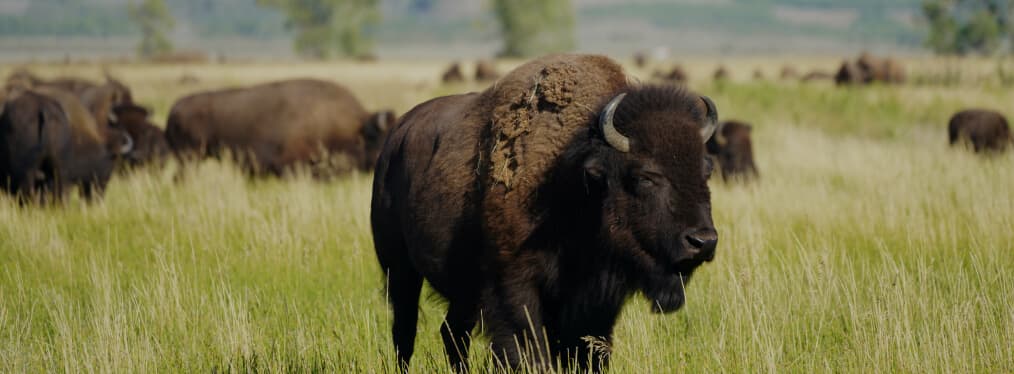
1) Head-Smashed-In Buffalo Jump, a World Heritage Site near Fort Macleod
2) Tobacco Plains Band in Grasmere, British Columbia, 15 miles north of Eureka, Montana
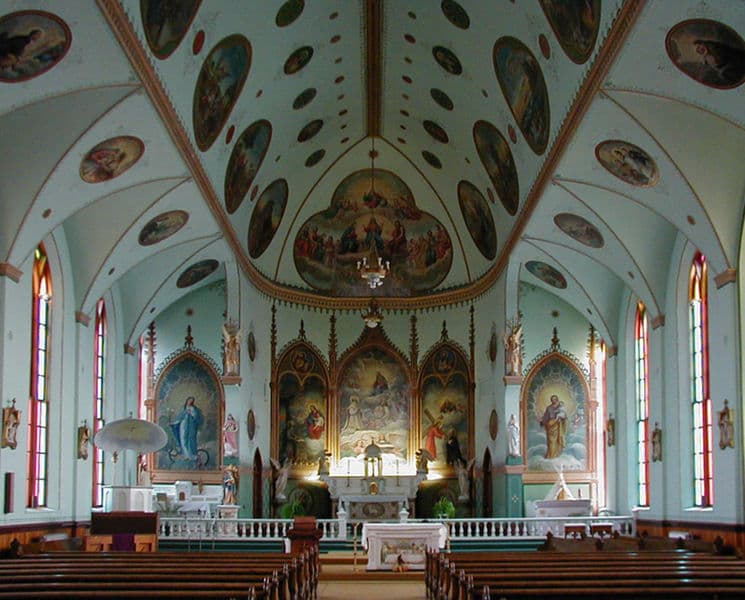
3) St. Eugene Mission in Cranbrook, British Columbia where the Ktunaxa Nation has transformed a former residential school, erected to kill the Indian but save the child, into a luxury hotel and a Ktunaxa cultural and language centre.
4) Blackfoot Crossing Historical Park, where the Siksiska Nation of the Blackfoot Confederacy hosts the Prairie Chicken Dance Festival.
Pow Wows in Alberta, British Columbia and Montana
U.S. government agents in the late 1800s were determined to stamp out Indian culture, including traditional ceremonies. But how could they say no when leaders of the Salish-Pend Oreille tribes who asked permission to celebrate the nation’s birthday? For more than 100 years, the Arlee Pow-Wow continues to blend the customary and contemporary over the Fourth of July weekend.
Pow Wows continue across the region all summer with dance and drum competitions, traditional gambling, and plenty of food.
5) International Peace Pow Wow, Lethbridge, Alberta
6) Piikani Pow Wow & Rodeo, Brockett, Alberta
7) Kainai Indian Days Pow Wow & Rodeo, Standoff, Alberta
8) Arlee Pow Wow, Arlee, Montana
9) North American Indian Days, Browning, Montana
10) Standing Arrow Pow Wow, Elmo, Montana
A tribal celebration, cultural event or pow wow can be experienced just about every summer week in the Crown of the Continent, beginning with Canadian National Indigenous Peoples Day on June 21 and running into late summer.
Here we provide a roundup of traditional tribal and First Nation events across the region, all readily accessible for the day tripper or weekend traveler. These cultural events are open to the general public, but we encourage you to practice respectful etiquette.
For example, when an eagle feather falls from a dancer’s outfit, the celebration is stopped and a special ceremony is performed. To most Native Americans, the Eagle Feather is sacred. Spectators should stand, remove hats, and refrain from taking pictures.
More generally, pow wow visitors should ask permission of dancers before taking photos. At the Browning Pow Wow, North American Indian Days, photographers are required to purchase a permit.