Little Bighorn Battlefield National Monument
This area memorializes the US Army's 7th Cavalry, Crow, and Arikara scouts and the Lakotas, Cheyennes, and Arapaho in one of the American Indian's last armed efforts to preserve their way of life. Here on June 25 and 26 of 1876, 263 soldiers, including Lt. Col. George A. Custer and attached personnel of the US Army, died fighting several thousand Lakota, Cheyenne, and Arapaho warriors.
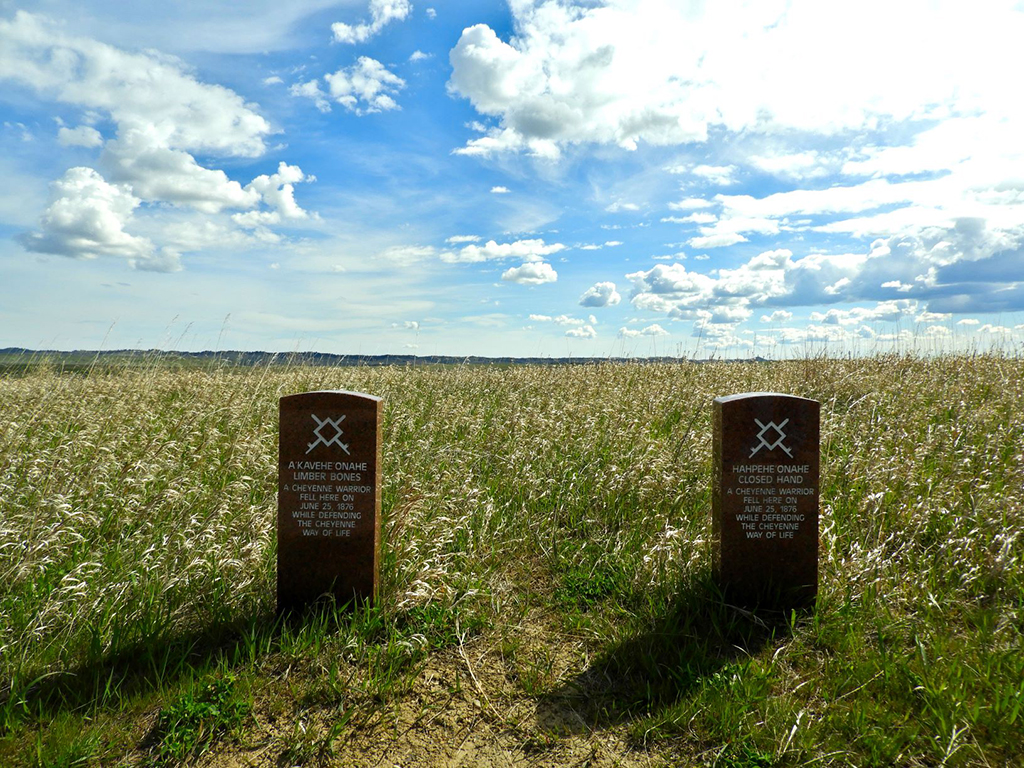
Little Bighorn Battlefield National Monument was first set aside as a National Cemetery, memorializing the soldiers of the 7th Cavalry Regiment who died in the 1876 battle. Over time, interpretation of the battle and the participants on both sides spurred the designation of a national monument in the 1940s. Today the National Park Service manages the site to protect its cultural and historic resources for future generations.
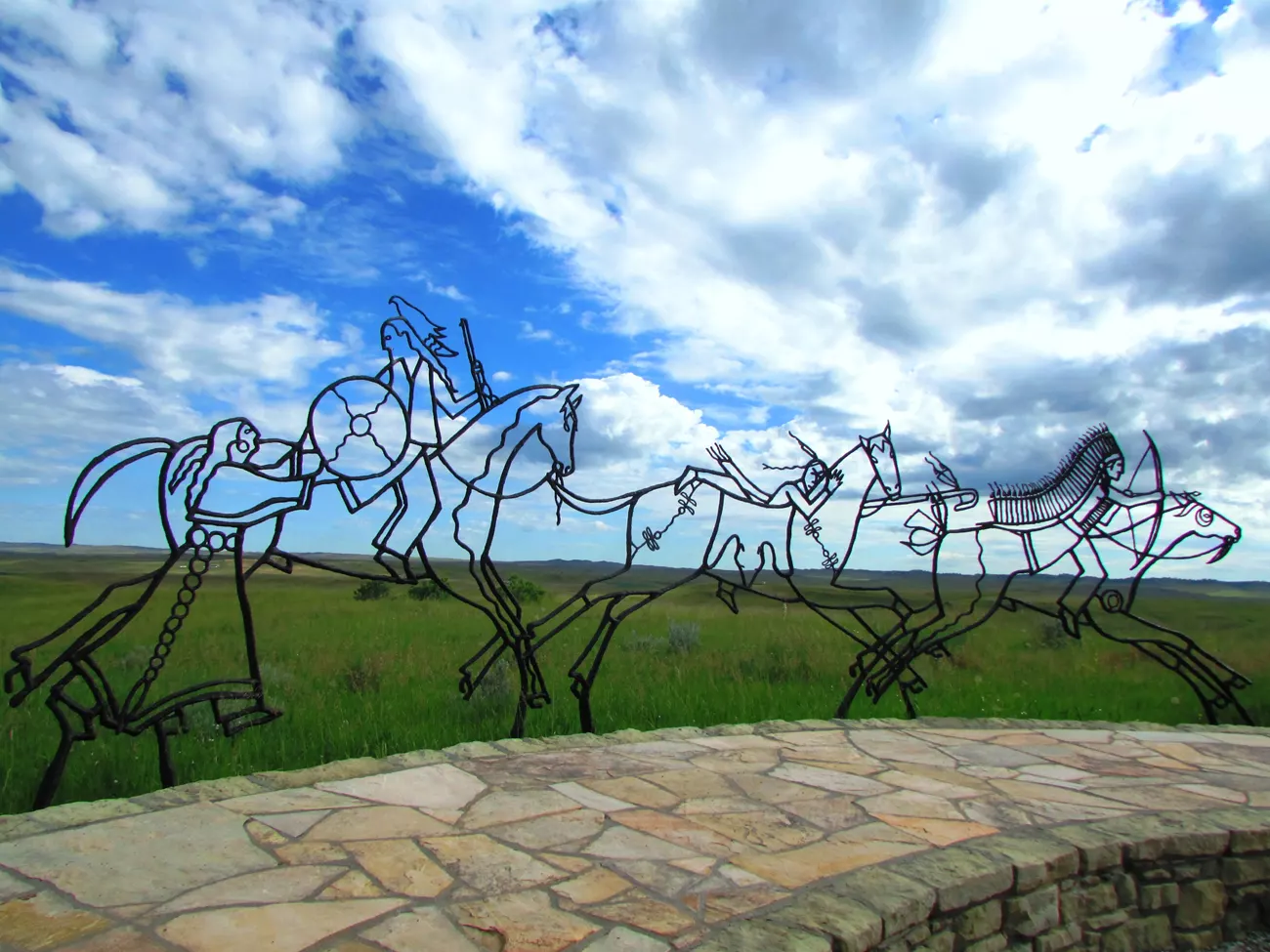
Learn about the Indian Memorial, which commemorates the sacrifice of the Arikara, Apsaalooke (Crow), Arapaho, Cheyenne, and Oyate (Lakota Sioux) tribes in the Battle of the Little Bighorn as they fought to protect their values and traditional way of life. The theme of the memorial, "Peace Through Unity", carries the commemoration further by acknowledging the need for cooperation both among Indian tribes and between tribal governments and the federal government. It is the only memorial to the Native American experience mandated by Congress and constructed with federal funds.
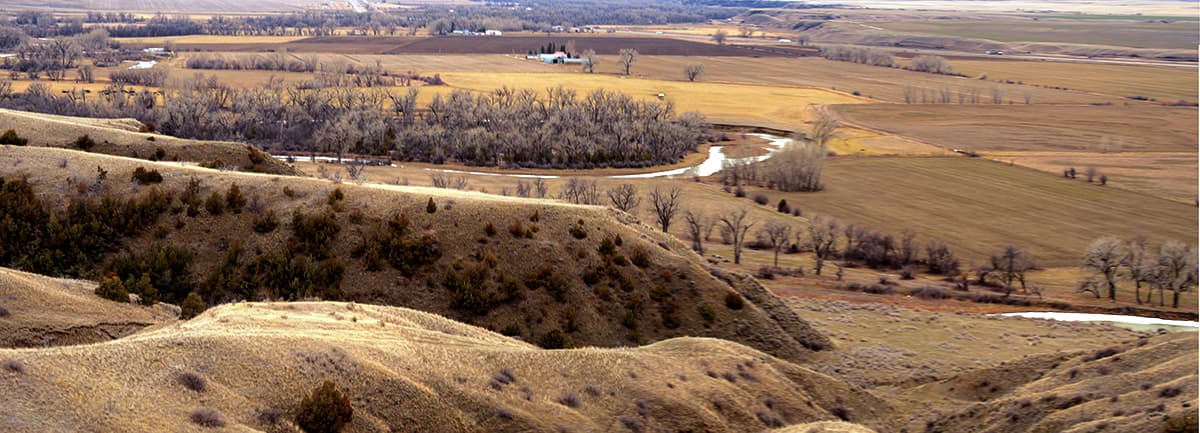
The park's 765 acres are situated between true grasslands and the shrub-steppe ecosystem of the intermountain west. This integration of habitat types allows more species to coexist in a very dynamic landscape.
Consider taking a guided tour of the battlefield with Apsáalooke Tours, an Indigenous Crow tour operator.